Crash Photo Checklist: Photos People Forget After an Oregon Crash
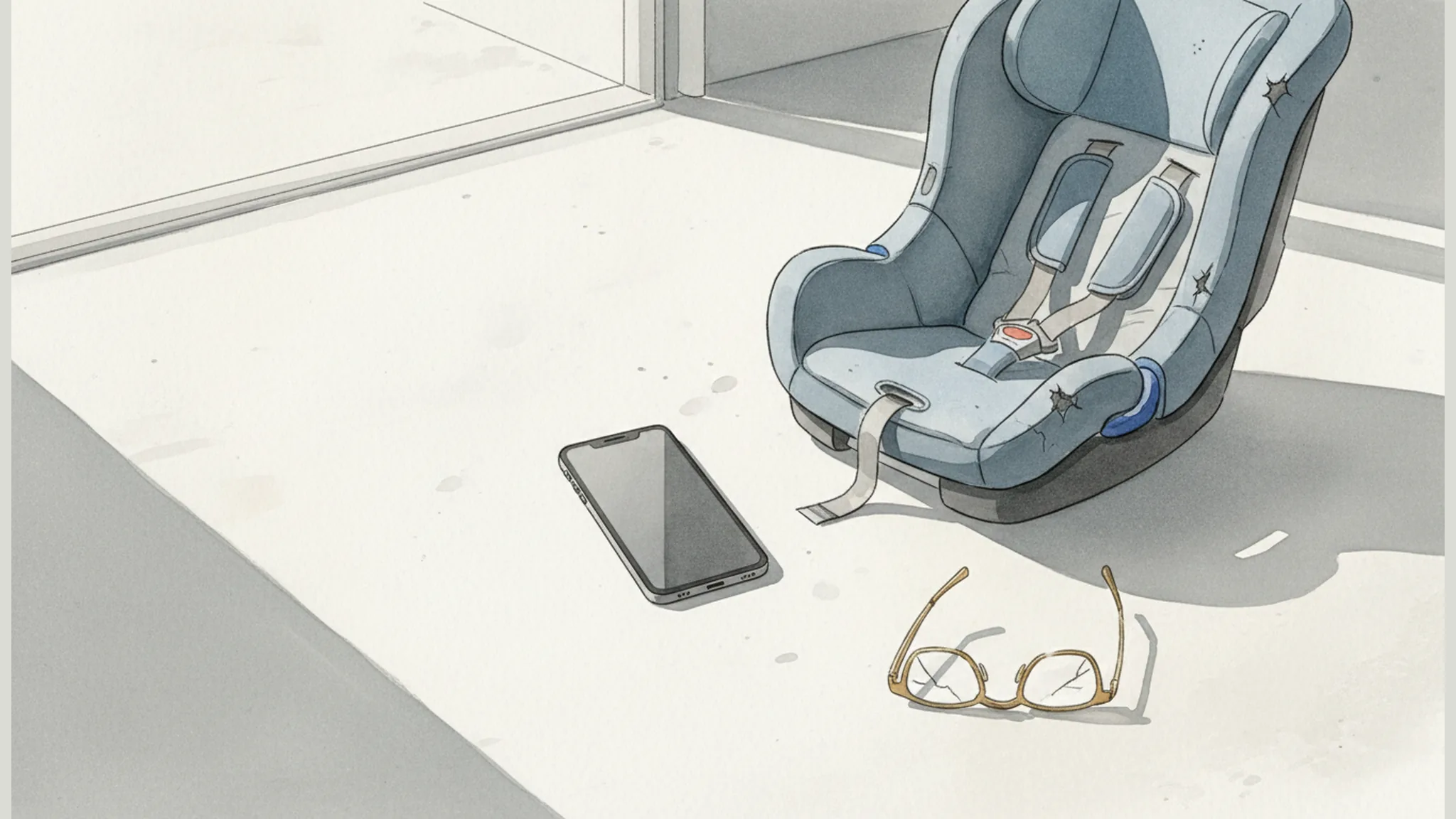
Crash Photo Checklist: Photos People Forget After an Oregon Crash
After a crash, most people photograph the obvious damage. Those shots matter, but they are rarely the full picture.
The photos people often miss are the ones that preserve context: where the vehicles ended up, what the road looked like, what changed after towing, and how injuries became visible over time. In Oregon, that can matter because scene conditions, vehicle condition, and even symptoms may change quickly.
This is a narrow guide to overlooked photo categories and timing windows, not a full crash checklist. If you want the broader step-by-step version, start with our post-accident checklist. For the broader legal framework after a collision, see our Oregon car accident hub.
Important: Safety, emergency care, exchange of information, and any Oregon reporting duties come first. This post is educational only and not legal advice.
Why damage photos are not the whole story
Close-up photos of a dented bumper or broken headlight show the impact point. They often do not show:
- where the vehicles came to rest,
- what the road surface looked like,
- whether visibility was limited,
- whether weather or lighting mattered,
- how the vehicle looked after towing or storage, or
- how bruising and swelling changed over time.
Oregon’s Division of Financial Regulation tells drivers to photograph the scene and vehicle damage after a crash. That is a good starting point. A practical next step is to think in layers: scene, context, tow-yard, injury progression, and post-scene conditions.
Quick crash photo checklist
Use this as a practical photo-only checklist if you are safe, medically able, and not interfering with emergency responders:
- Wide scene photos: vehicle positions, lane placement, shoulders, intersection layout, and nearby landmarks.
- Approach views: what each driver likely saw while approaching the crash area.
- Traffic controls: signs, signals, lane arrows, crosswalks, stop bars, and temporary construction controls.
- Road and weather conditions: standing water, gravel, glare, fog, darkness, debris, damaged pavement, or obscured markings.
- Vehicle damage from every side: close-up and mid-range photos, not just the worst-looking panel.
- License plates and identifying details: plates, VIN area if safely visible, company markings, and trailer numbers if relevant.
- Tow-yard or storage photos: all sides, mileage, interior condition, options, child seats, damaged personal property, and any change in condition.
- Visible injuries over time: clear, dated photos as bruising, swelling, or discoloration develops.
- Follow-up scene photos: daylight views, remaining debris, road layout, or cleanup conditions missed during the initial response.
- Video evidence backup: dashcam clips, phone videos, or nearby camera leads before auto-delete windows close.
Keep the originals when possible. Do not edit, filter, or selectively delete crash photos once you believe a claim may be likely. Our evidence guide explains why early preservation can matter: Protecting Crash Evidence in Oregon.
If a child seat was in the vehicle, see our guide to car-seat replacement and evidence after a crash for model-specific safety guidance and keeping the involved seat available when inspection may matter.
Scene photos people skip in the first minutes
If you are physically able and it is safe to do so, try to capture the broader scene before vehicles are moved and traffic changes the picture.
Start with wide shots
Useful wide shots often include:
- both vehicles together,
- each vehicle’s position in the lane, shoulder, or intersection,
- nearby landmarks,
- and any traffic controls visible from the crash area.
These photos can help preserve facts that are hard to recreate once the roadway is cleared.
Take more than one angle
A single angle can flatten the scene. If it is safe, photograph from:
- the approach direction for each vehicle,
- the shoulder or sidewalk,
- farther back to show the overall layout,
- and any direction that helps show what a driver could see.
For crashes involving disputed lane position, signals, or driver attention, these angles can also complement other records such as dashcam video, traffic-camera leads, and witness accounts.
Context photos: road, visibility, weather, and layout
This is one of the most overlooked categories.
A bumper photo may show impact. A context photo may provide useful information about how the crash occurred and what each driver could see. That matters in Oregon because driving conditions such as traffic, surface, weather, visibility, and intersection hazards are part of the legal and factual picture after a crash.
What to capture
If safe, photograph:
- standing water, gravel, debris, or damaged pavement,
- fog, rain, glare, darkness, or other visibility issues,
- lane markings and shoulder space,
- stop signs, yield signs, and traffic lights,
- and the overall intersection or roadway layout.
These conditions can change fast. Rain stops. Lighting changes. Road crews clear debris. Vehicles get moved.
For a broader evidence-preservation discussion, see Don’t Lose Your Evidence: Understanding Spoliation in Personal Injury Cases.
Tow-yard photos may matter more than people expect
Many people assume the photo window closes once the vehicle is towed. It does not.
In some cases, tow-yard photos may become particularly useful, especially if the vehicle may be declared a total loss or if storage, transfer, salvage handling, or weather exposure could change the condition.
What to photograph at the tow yard
If you can access the vehicle, consider photographing:
- all sides of the vehicle,
- the full extent of exterior damage,
- multiple angles of the same damaged area,
- the overall condition,
- the mileage,
- and visible options or features that may affect valuation.
Oregon total-loss guidance shows that condition, mileage, and options can matter in valuation, which is one reason early tow-yard photos may be useful.
If your vehicle may have a property-damage or diminished-value issue, organized photos can also help you compare repair estimates, pre-loss condition, and post-repair concerns. They do not determine value by themselves, but they make later conversations more concrete.
Injury progression photos are easy to overlook
Not every injury is fully visible right away.
The CDC notes that some mild traumatic brain injury or concussion symptoms can appear hours or days later. Visible bruising also changes over time. That means the best injury photos are often not the ones taken in the first 20 minutes.
What to document over time
If you have visible injuries, it may help to take photos:
- on the day of the crash,
- later that evening,
- over the next several days,
- and again if bruising, swelling, or discoloration becomes more obvious.
Try to keep them clear and dated. The goal is not dramatization. It is honest documentation.
Practical tips:
- Use the same lighting and distance when possible.
- Include a date reference or preserve the original file metadata.
- Photograph functional items too, such as braces, crutches, casts, or damaged glasses.
- Back up the images without altering the originals.
What these photos can and cannot do
Injury photos can help preserve visible change over time. They do not replace medical care or medical records. If symptoms worsen or something feels wrong, get medical attention.
Post-scene and cleanup photos still matter
Another commonly missed category is what the area or vehicle looked like after the scene cleared.
That can include:
- the roadway after vehicles are removed,
- debris patterns or fluid marks that remain,
- the scene in daylight if the crash happened at night,
- or follow-up photos once damage is easier to see in storage or at a shop.
These later photos will not replace scene photos, but they may still preserve details that were missed during the initial chaos.
If the crash happened at night, a daylight return can be especially helpful for showing lane markings, sight lines, sign placement, nearby business entrances, and camera locations. If you return to the scene, stay off the roadway and do not trespass to get a better angle.
Why prompt photos can help in Oregon
In Oregon, some crashes are reportable to DMV, and the report generally must be filed within 72 hours in a reportable collision. That can include crashes involving injury or death, certain damage thresholds, qualifying tows, or certain non-vehicle property damage.
Photos are not a standalone legal requirement, but same-day documentation can still help because evidence often changes long before paperwork is finished.
A practical sequence is:
- Scene and context photos first, if safe.
- Tow-yard or storage photos next, before the vehicle changes.
- Injury progression and follow-up photos over the next hours and days.
If you also have dashcam footage, preserve that early too. Our dash camera article explains why video can help alongside photos.
How to organize photos so they remain useful
A large camera roll can become hard to use later. Simple organization helps:
- Back up the originals to cloud storage or an external drive.
- Create folders by timing: scene, tow yard, injuries, repairs, medical items, and follow-up scene photos.
- Do not rename every file if it strips metadata. If you need notes, keep a separate timeline document.
- Save related documents with the photos: police exchange forms, tow slips, repair estimates, medical discharge papers, and insurance letters.
- Share complete sets with your attorney or insurer when appropriate, rather than only the most dramatic images.
This type of organization supports the broader steps in our post-accident checklist without turning this photo guide into a duplicate of that resource.
When to get legal guidance
Not every crash needs a lawyer. Legal guidance may be worth considering if there are injuries, disputed fault, a commercial vehicle, a hit-and-run, a serious property-damage dispute, missing video, or pressure to settle before the full medical picture is clear. Johnson Law’s car accident practice area explains the broader claim process and the types of issues that can arise after an Oregon collision.
Final thought
The photos people forget after a crash are usually not the dramatic ones. They are the practical ones: where everything was, what the roadway looked like, what changed after towing, and how injuries appeared later.
No single photo proves fault by itself. But good photos can preserve details that are easy to lose and hard to recreate.
FAQ
What photos should I take first after a crash in Oregon?
If it is safe, start with wide shots of the overall scene, vehicle positions, and roadway context. Then take closer damage photos and images of traffic controls, visibility, and anything likely to change quickly.
Should I take photos after my car is towed?
Yes, if you can. Tow-yard photos may help preserve vehicle condition before storage, transfer, or valuation-related disputes change the picture.
Can injury photos taken days later still matter?
They can. Some bruising and visible injuries become clearer over time, and some symptoms do not fully show up right away.
Do photos prove fault by themselves?
Usually not. Photos are one part of the broader evidence picture.
Source Notes
- Oregon DMV, Collision Reporting and Responsibilities
- Oregon DFR, What to do if you are in an accident
- Oregon DFR, Totaled vehicle
- CDC, Symptoms of Mild TBI and Concussion
- MedlinePlus, Bruise
Client-First Fee Promise
Client First = Bills First, Fees Second
Your unpaid medical bills do not have to make your lawyer's fee bigger. Johnson Law subtracts qualifying medical bills before calculating our fee, helping clients keep more of their settlement.
Applies to qualifying cases. Results vary.