Low-Impact Car Accidents in Oregon: What They Are and What To Do Next
Low-Impact Car Accidents in Oregon: What They Are and What To Do Next
A crash can look minor and still leave people unsure what to do next. Maybe the bumper only has a scuff. Maybe the repair estimate is lower than expected. Then, later that day or the next morning, neck pain, a headache, dizziness, or back stiffness starts to show up.
That confusion is common. In everyday use, “low-impact” usually means a low-speed crash or a collision with limited visible vehicle damage. It does not automatically mean nobody was hurt, and it does not automatically prove that someone was hurt either.
This article is a broad Oregon overview of what low-impact car accidents are, what symptoms may deserve attention, what basic insurance issues may come up, and when a “small” crash may stop being simple. If an insurer is minimizing the crash because the vehicle damage looks minor, start with Johnson Law’s Oregon car accident claims page. If you are looking for the deeper guide on proving injury and handling insurer skepticism when damage looks minor, see Responding to the Low Impact = No Injury Argument.
Educational disclaimer: This article is for general educational information only and is not legal advice or medical advice. Every crash, injury, and insurance claim is fact-specific. If you have urgent or worsening symptoms, seek medical care promptly.
What Counts as a Low-Impact Car Accident?
“Low-impact” is not a formal legal or medical term. It is a practical shorthand people use for crashes like:
- low-speed rear-end collisions
- parking-lot impacts
- lane-change or merge collisions with limited exterior damage
- crashes where the bumper or body panels do not look badly crushed
That matters because vehicle damage and occupant injury are not the same question. Federal bumper standards are aimed at reducing property damage in low-speed front and rear collisions. They are not an occupant-injury standard. So a car can show limited visible damage while the people inside still experience a sudden jolt.
A good way to think about it is this: low property damage may affect how a crash looks, but it does not answer the medical question by itself.
Can You Be Hurt in a Low-Impact Crash?
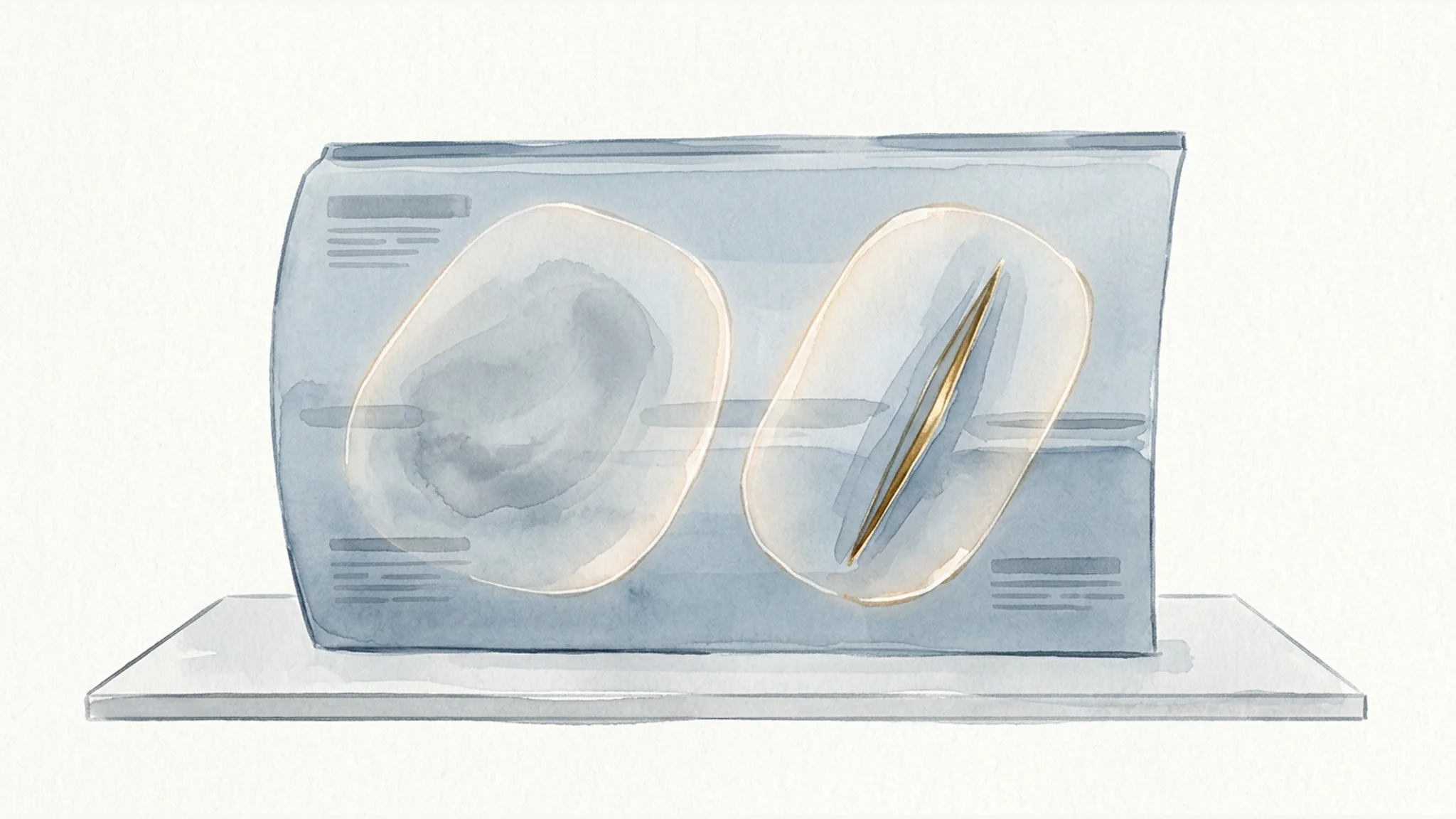
Yes. A minor-looking crash can still cause injury. But the safer and more accurate point is narrower than that: limited vehicle damage does not rule out injury, and limited vehicle damage does not prove injury either.
Neck and soft-tissue symptoms
Low-impact crashes are often associated with whiplash-type symptoms and other soft-tissue complaints, including:
- neck pain or stiffness
- reduced range of motion
- headaches
- shoulder or arm pain
- upper or lower back pain
- dizziness or fatigue
Medical sources like Mayo Clinic and MedlinePlus describe whiplash as a rapid back-and-forth neck motion commonly associated with car crashes.
Possible concussion or mild TBI symptoms
A crash does not always require a direct head strike to raise concussion concerns. CDC explains that a mild traumatic brain injury can result from a bump, blow, or jolt to the body that causes the head and brain to move quickly back and forth.
Possible symptoms can include:
- headache
- dizziness
- confusion
- trouble concentrating
- memory problems
- sensitivity to light or sound
- irritability
- unusual fatigue
- sleep changes
If symptoms are severe, unusual, or getting worse, prompt medical evaluation matters.
Why symptoms may show up later
Some symptoms do not appear immediately. MedlinePlus and Mayo Clinic both describe whiplash symptoms as sometimes appearing hours or days after a crash. That delayed timing can create confusion, but it is one reason people should keep paying attention after a crash that first seemed minor.
What To Do After a Low-Impact Car Accident in Oregon
This part is intentionally practical and basic.
Get medically checked if symptoms appear
If pain, stiffness, headaches, dizziness, or other symptoms develop after the crash, consider prompt medical evaluation. Be specific when describing when symptoms started and how they changed.
Pay attention to delayed or changing symptoms
Do not assume that feeling mostly okay at the scene means the issue is over. If symptoms begin later, worsen, or start interfering with work, sleep, driving, or daily life, that change is worth taking seriously.
Take photos and keep basic crash information
Even when visible damage is light, basic documentation still helps. That can include:
- photos of both vehicles from multiple angles
- close-up and wider scene photos
- witness names and contact information
- repair estimates or invoices
- the date, time, and location of the crash
If you want a more detailed evidence checklist, see The Photos People Forget to Take After a Crash in Oregon and What To Save After Adjuster Calls.
Report the crash if Oregon rules require it
Oregon DMV says drivers must submit an Oregon Traffic Collision and Insurance Report within 72 hours if certain thresholds are met, including injury or certain property-damage situations. Even if law enforcement responds, DMV reporting may still be required.
Be careful with early insurance communications
Early calls can feel routine, but they still matter. Keep your statements accurate and limited to what you know. If your symptoms are still developing or you are still being evaluated, avoid speculating about your condition or recovery. For a practical records guide, see What To Save After Adjuster Calls.
Oregon Insurance Basics After a Minor-Looking Crash
A low-impact crash still raises the same basic Oregon insurance questions as a larger one.
What PIP may cover in Oregon
Oregon generally requires Personal Injury Protection, or PIP, in qualifying private passenger auto policies. At a high level, PIP can help cover certain medical expenses and some related benefits regardless of fault, subject to policy terms and statutory limits.
For many readers, the main point is simple: your own policy may matter even before fault is fully sorted out. For a broader insurance overview, see Oregon Auto Insurance Guide.
Why the other driver’s insurance is not the only coverage that may matter
Depending on the facts and the available coverage, uninsured or underinsured motorist coverage may also matter. This article is not the place for a technical UM/UIM breakdown, but it is worth knowing that the at-fault driver’s liability coverage is not always the only possible source of recovery.
Why fault can still matter in a “small” crash
Oregon uses comparative fault rules. In plain terms, fault disputes can still affect recovery even when the crash looked minor. That is one reason small crashes sometimes become more contested than people expect. For a fuller explanation, see Oregon Comparative Fault in Car Accidents.
A note on timing
Oregon has a baseline two-year limitation period for many personal injury claims, but deadlines can depend on the facts and exceptions may apply. It is safer to treat timing questions seriously rather than assuming a minor crash can wait indefinitely.
Does Little Car Damage Mean You Do Not Have a Claim?
No. Little car damage does not automatically mean there is no injury claim.
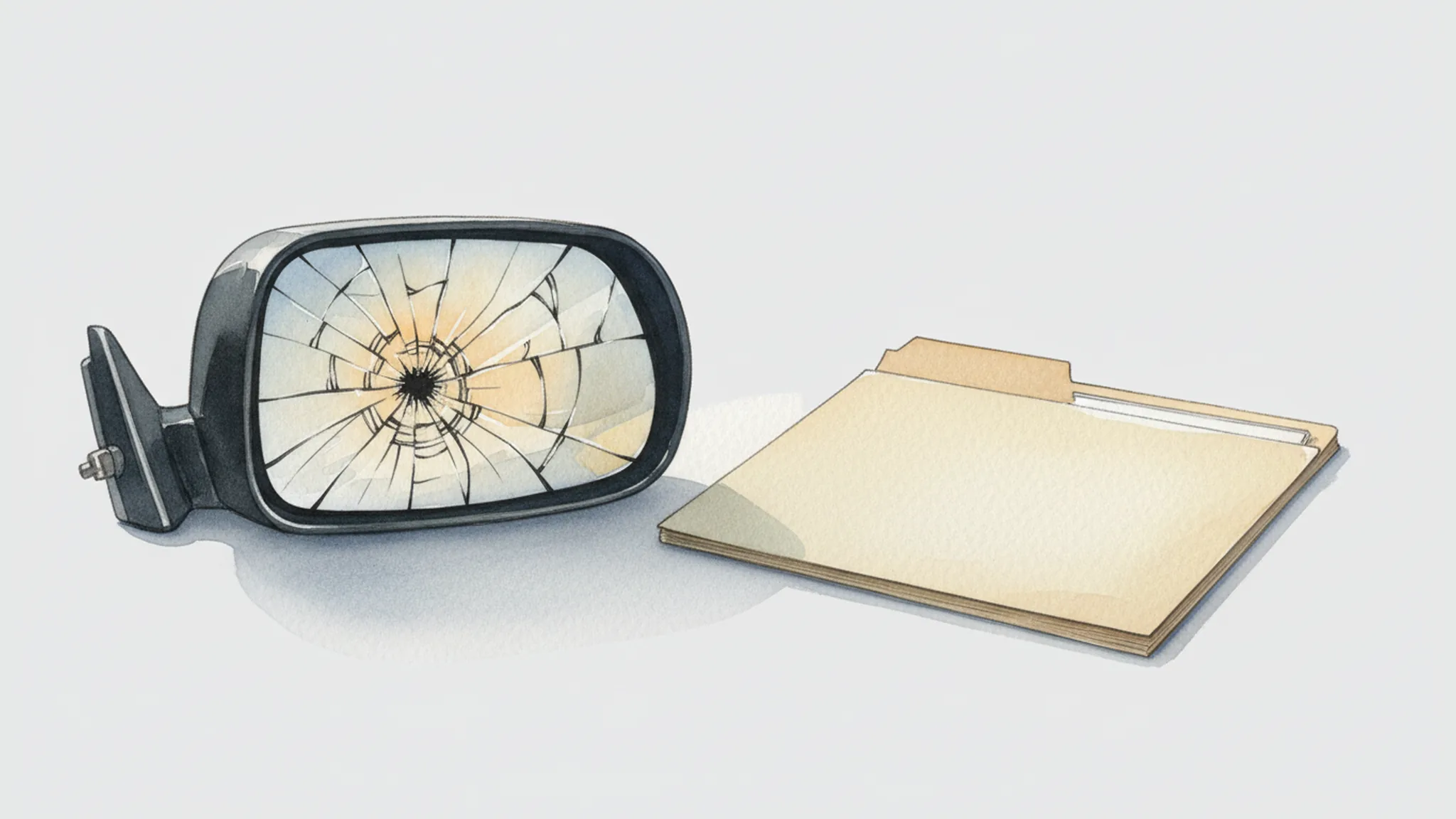
But the opposite overstatement is also not right. Limited damage is still relevant evidence. It can affect how an insurer evaluates the crash, and it can become part of the causation discussion. The better takeaway is that property damage is one piece of the picture, not the whole picture.
That is also why low-damage crashes can raise questions about causation and documentation. The issue is usually not just “Was there a dent?” The issue becomes whether the medical timeline, symptoms, and day-to-day impact line up in a believable way.
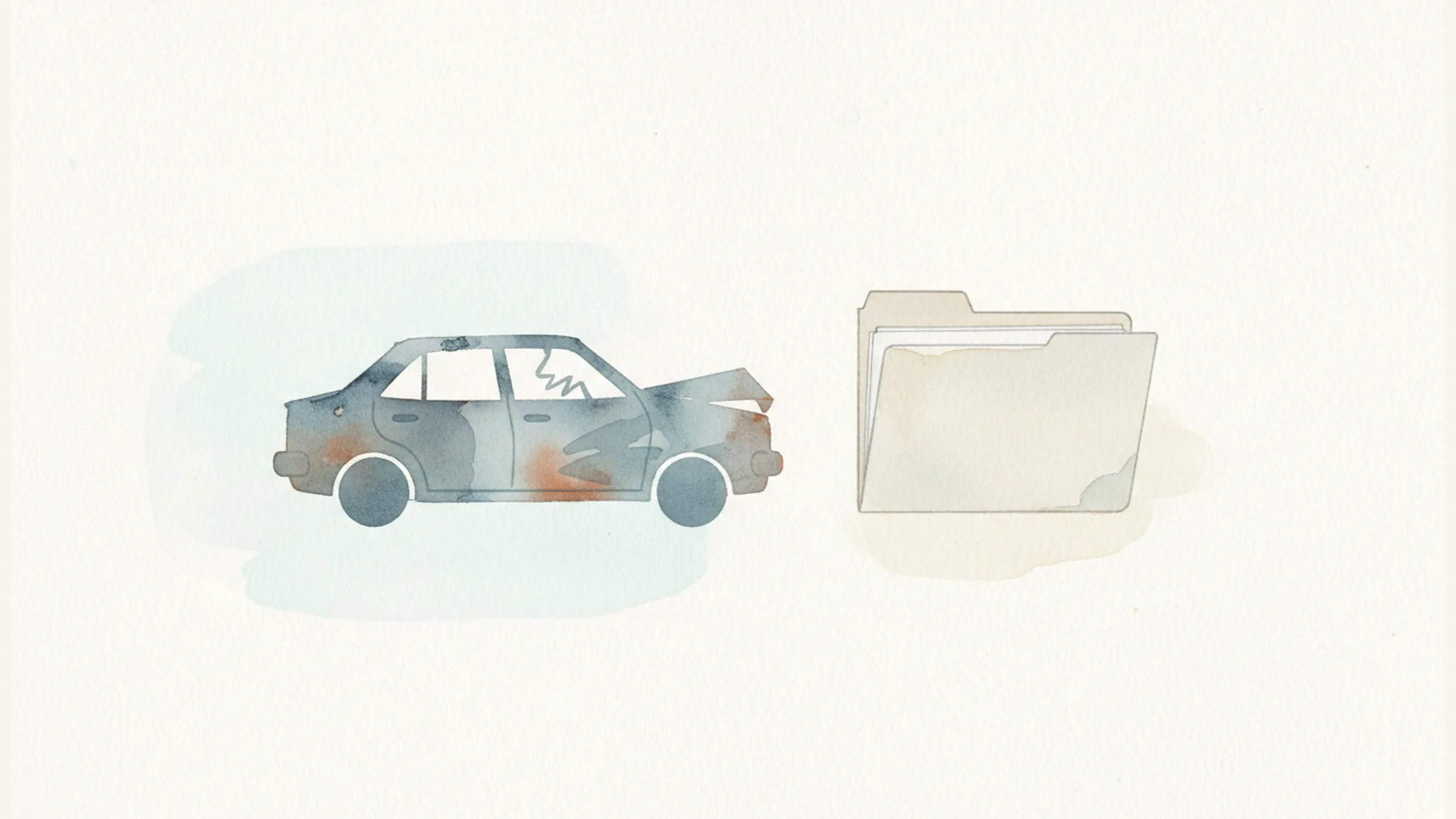
If you want the deeper version of that topic, including proving injury, chronology, and insurer pushback, start with how to respond to the low impact = no injury argument. A related point also comes up in Totaled Car vs. Injury Claim: vehicle damage and bodily injury do not always rise or fall together.
When a Low-Impact Crash Stops Being Simple
Some claims stay straightforward. Others become more complicated. Signs that a low-impact crash may call for closer review include:
- symptoms that last longer than expected
- symptoms that interfere with work, sleep, childcare, or driving
- disputed fault
- PIP or insurance paperwork problems
- pressure to settle before treatment or recovery is clearer
- records that do not fully capture how the injury is affecting daily life
If that starts happening, these guides may help:
- Responding to the Low Impact = No Injury Argument
- Medical Records Are Not the Whole Story
- Signs Your Oregon Crash May Be More Than a Simple Insurance Claim
If you need to talk through a disputed low-impact crash, contact Johnson Law before the insurer turns a “minor damage” argument into the whole story.
Where To Go Deeper
This page is meant to be the overview, not the full guide to injury-related insurance and claim issues.
If your main question is, “How do people prove a real injury claim when the insurer says the crash was too minor to matter?” the next stop should be Minimal Vehicle Damage, Maximum Doubt.
If your main question is documentation, these are useful follow-ups:
- Medical Records Are Not the Whole Story
- What To Save After Adjuster Calls
- The Photos People Forget to Take After a Crash in Oregon
Frequently Asked Questions
What is considered a low-impact car accident?
Usually, it means a low-speed crash or a collision with limited visible vehicle damage. It is not a formal legal or medical category.
Can you be injured in a low-impact car accident even if your car barely shows damage?
Yes. Limited visible damage does not automatically rule out injury. At the same time, damage photos alone do not prove injury either.
How long after a low-impact crash can symptoms appear?
Some symptoms may appear hours or days later. That is commonly discussed in patient-facing medical sources about whiplash and similar injuries.
Should I see a doctor after a minor car accident in Oregon?
If symptoms appear, change, or worsen, consider medical evaluation. Urgent or severe symptoms need prompt attention.
Does Oregon PIP cover medical care after a minor crash?
Often, yes, at least at a basic level. Oregon generally requires PIP in qualifying private passenger auto policies, but exact coverage depends on the policy and circumstances.
Do I have to report a low-impact accident to the Oregon DMV?
Sometimes. Oregon DMV reporting rules depend on injury and certain damage thresholds. A crash that looks minor can still be reportable.
Does little vehicle damage mean I do not have an injury claim?
No. It is relevant evidence, but it does not decide the injury question by itself.
How long do I have to file an injury claim in Oregon after a car accident?
There is a baseline two-year limitation period for many Oregon personal injury claims, but exceptions and other deadlines can apply.
Source Notes
This overview is based on a combination of Oregon legal sources and mainstream medical or safety sources, including:
49 CFR Part 581for the federal bumper standard’s property-damage purpose- Oregon DMV guidance on collision reporting
ORS 806.070andORS 806.080for Oregon minimum auto liability requirementsORS 742.520,ORS 742.524, andORS 742.528for Oregon PIP basicsORS 742.502for Oregon UM/UIM requirementsORS 31.600for Oregon comparative faultORS 12.110(1)for the baseline Oregon personal injury limitations period- CDC guidance on mild traumatic brain injury and concussion
- Mayo Clinic and MedlinePlus materials on whiplash symptoms and delayed onset
Because laws, policies, and medical situations can vary, this article stays high level and should not be treated as a substitute for individualized legal or medical advice.
Client-First Fee Promise
Client First = Bills First, Fees Second
Your unpaid medical bills do not have to make your lawyer's fee bigger. Johnson Law subtracts qualifying medical bills before calculating our fee, helping clients keep more of their settlement.
Applies to qualifying cases. Results vary.