Frontal Crash Testing IIHS vs NHTSA
Frontal Crash Testing IIHS vs NHTSA
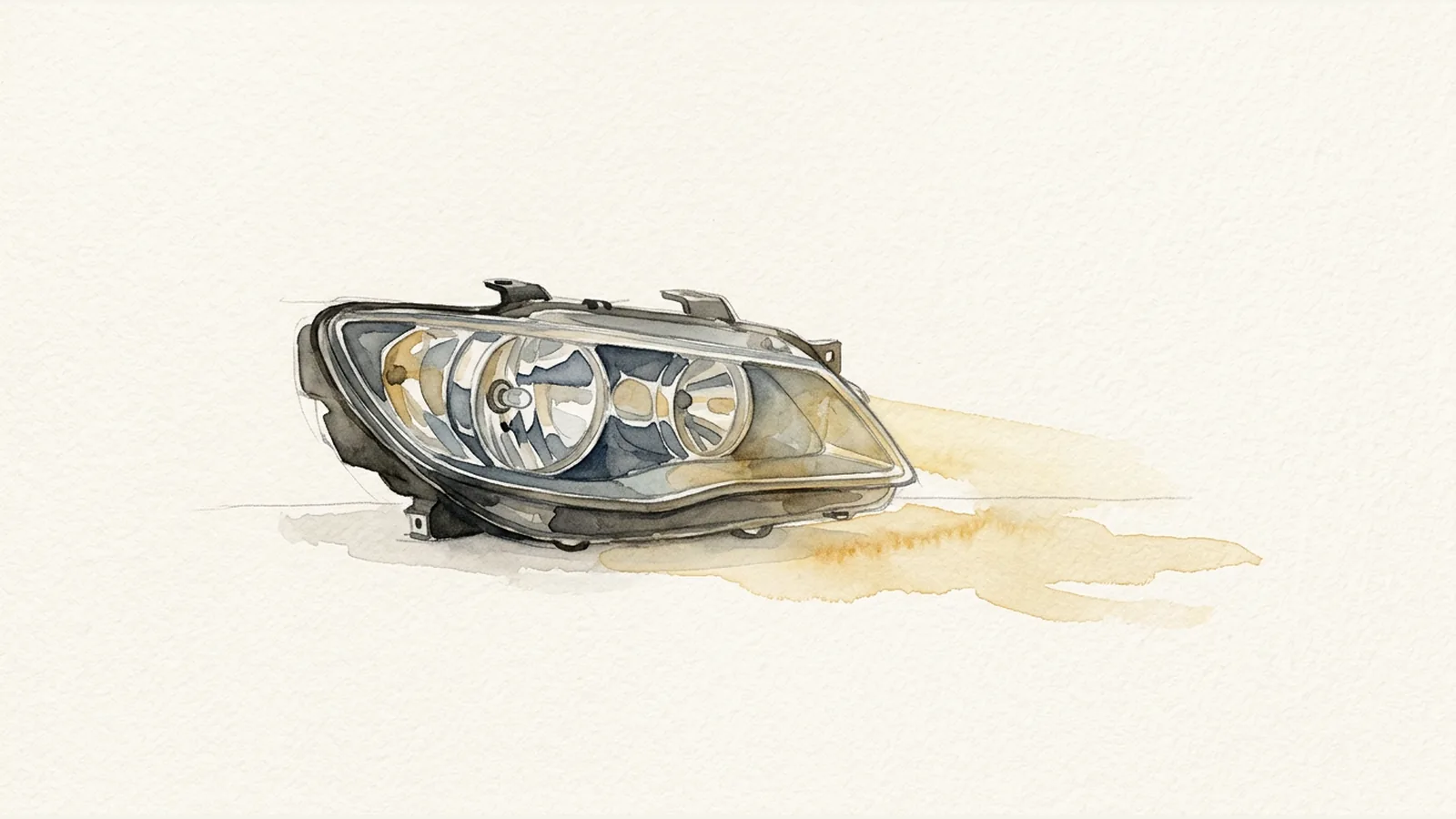
In a head-on collision, you need a vehicle that performs well in frontal crash testing. The Insurance Institute of Highway Safety (IIHS) and National Highway Traffic Safety Administration NHTSA perform their frontal crash testing in different ways. It is important to know the differences as a consumer. Vehicles can perfectly meet the highest standards of one test while failing to do so on the other test. In this post, we will go over the specifics of each testing method.
However, it is important to know early on that one test is not necessarily “better” than the other. They test different types of frontal collisions. That being said, it is often claimed that the IIHS tests are better. This is because usually, a vehicle will get a higher NHTSA rating on evaluation as opposed to the IIHS testing. However, that is not always the case.
NHTSA Testing
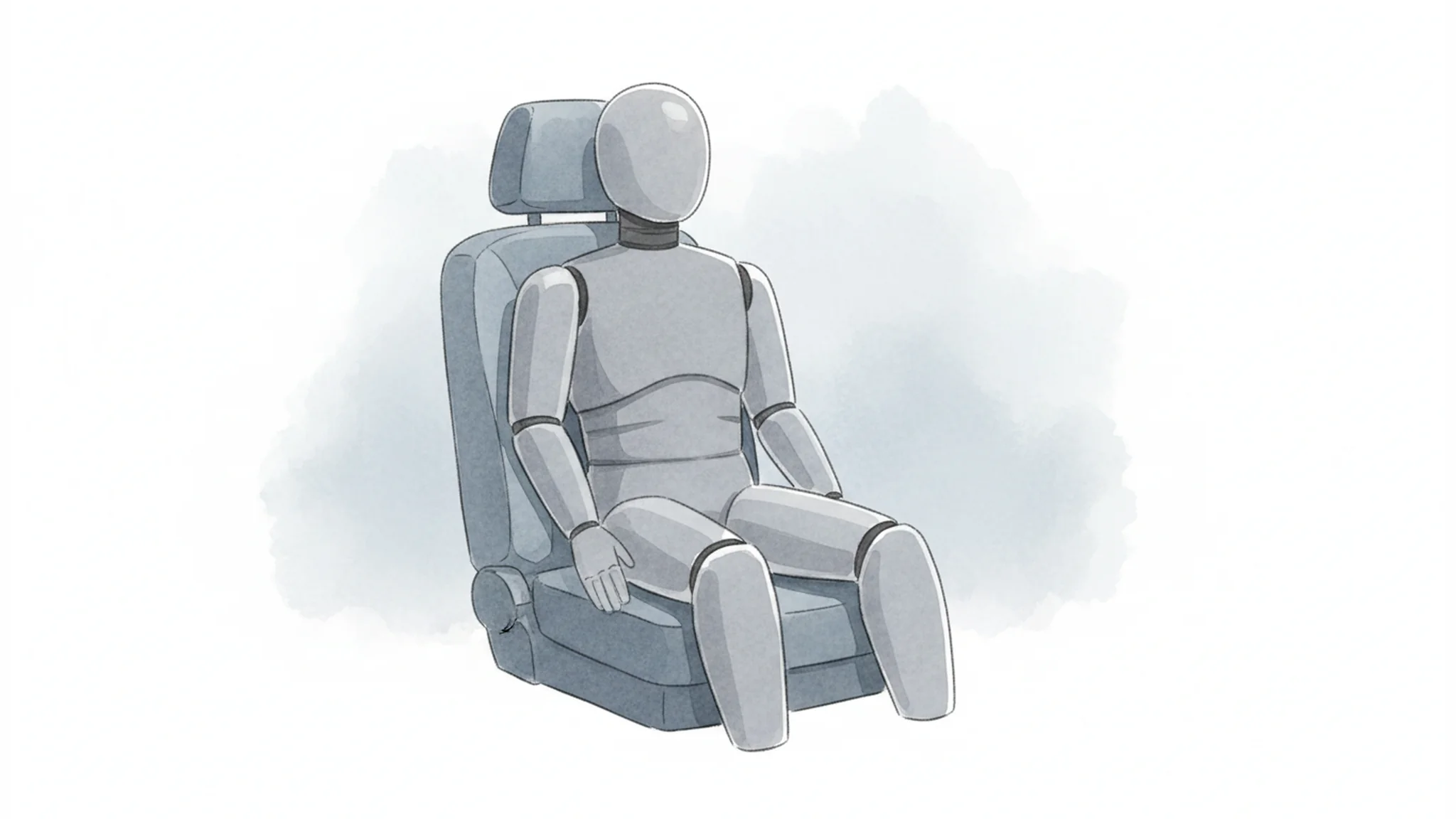
To simulate a head-on collision between two vehicles of similar weight, a vehicle is crashed into a fixed barrier at 35 mph. Two crash-test dummies are placed in the car. An average-sized adult male in the driver’s seat and a small-sized female in the front passenger seat. The test dummies wear seatbelts in every test. To evaluate the crash they look at any potential injuries to the head, neck, chest, and femur (upper leg).
Please note that crash ratings for the NHTSA should only be compared within the same weight class (+/- 250lbs) of vehicles. It should also be noted that this test uses a full-length barrier. This simulates a full head-on collision.
IIHS Testing
The IIHS actually performs three different tests for frontal crash testing. The tests are done at 40 mph toward a 5’ barrier. They perform three overlap tests (also previously known as frontal-offset testing). Overlap testing indicates how a vehicle will perform in a partial frontal collision. Only part of the front of the vehicle can absorb the initial impact, but the car also rotates and deforms around the barrier. The three tests are a moderate overlap, a passenger-side small overlap, and a driver-side small overlap.
The small overlap tests are done to see how a vehicle will perform when crashing head-on into something such as a tree or utility pole. This also helps test the edges of the vehicle’s safety. Manufacturers use various safety mechanisms to protect occupants. However, sometimes these safety mechanisms don’t extend far enough towards the outer edges of the vehicle. This can create safety “blind spots” that IIHS testing should reveal. You can see an example video on YouTube of this test here.
IIHS vs NHTSA
As previously stated, neither test is necessarily better than the other. It is possible to design a car that would do better on the IIHS testing while doing worse on an NHTSA test. As such, we recommend paying attention to both safety ratings. It can be useful to also look into what potential motivation each organization may have.
Here at Johnson Law, we work on personal injury matters. That means we fight for regular people looking for fair compensation. Usually, this means fighting against insurance companies. As such, we always like to verify claims that come from insurers or other organizations associated with them. The IIHS is a non-profit backed by insurance companies. In this case, the potential motivation is useful for the consumer. Insurance companies use crash test ratings to help determine the price of a policy. As such, they have a vested interest in accurate safety ratings. A car with an inaccurate safety rating would cost them money.
The NHTSA is a governmental organization. They have a structural bias towards maintaining the status quo. Updating testing standards requires going through the governmental bureaucracy. This has led to the IIHS having newer testing standards than that of the NHTSA.
Hillsboro Car Crash Lawyers
Have you or a loved one been injured in a car crash through no fault of yours? The experienced and capable Hillsboro car crash lawyers of Johnson Law may be able to help. We fight insurance companies in order to secure fair compensation for people like you.
We will review your case for free.
Our attorney fee is calculated only after there is a recovery, as stated in the written fee agreement.
Clients do not pay attorney fees unless there is a recovery, subject to the written fee agreement.
Client-First Fee Promise
Client First = Bills First, Fees Second
Your unpaid medical bills do not have to make your lawyer's fee bigger. Johnson Law subtracts qualifying medical bills before calculating our fee, helping clients keep more of their settlement.
Applies to qualifying cases. Results vary.