Helmet Failure in an E-Scooter or Bike Crash: When the Helmet Is Part of the Case
Helmet Failure in an E-Scooter or Bike Crash: When the Helmet Is Part of the Case
Educational disclaimer: This article provides general educational information about Oregon bicycle, e-bike, and e-scooter injury claims involving helmet evidence. It is not legal advice. Helmet evidence, product-liability deadlines, comparative-fault issues, and device classification questions are fact-specific and should be reviewed with a lawyer for a particular case.
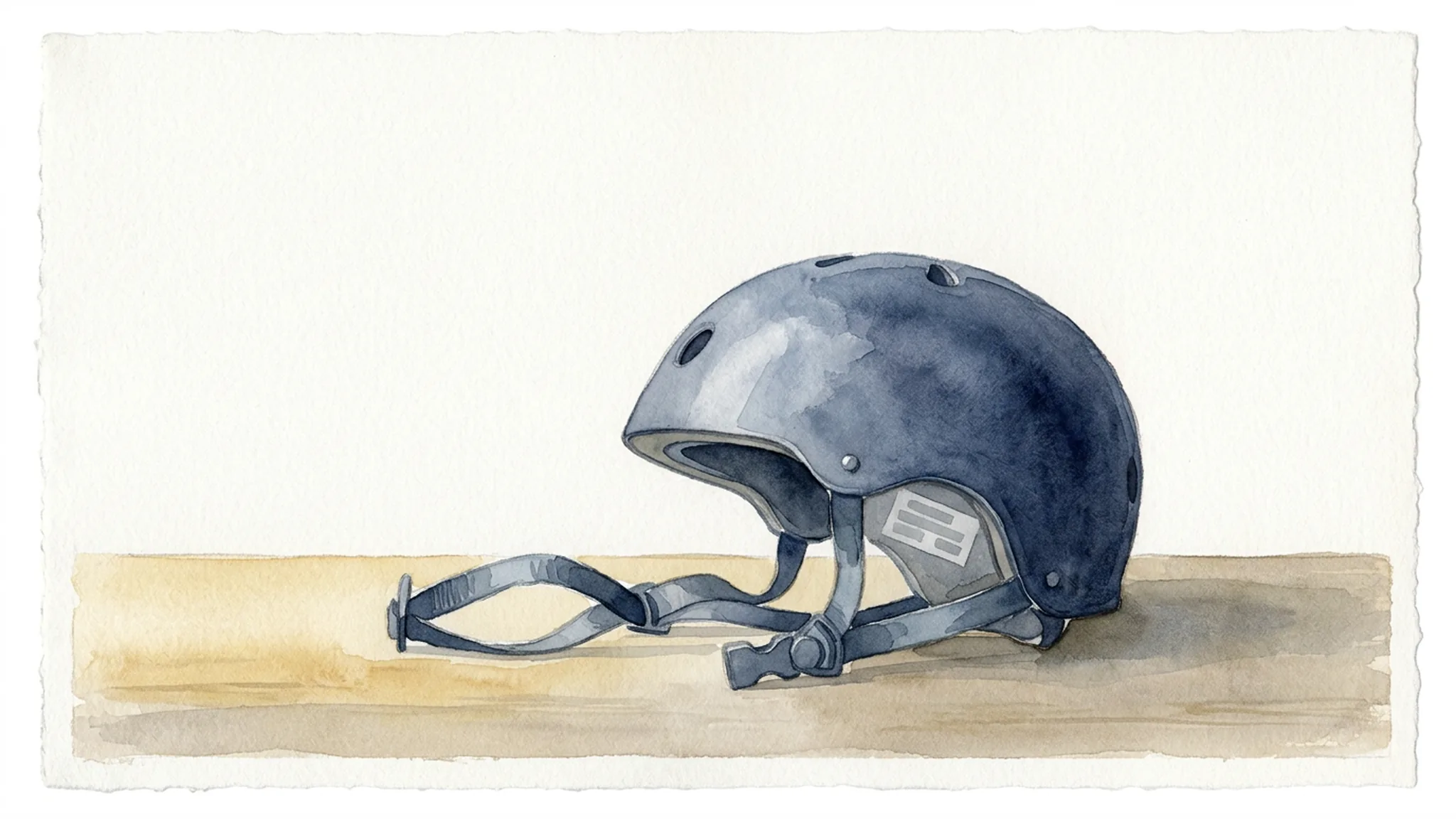
If you were wearing a helmet in a bicycle, e-bike, or e-scooter crash and still suffered a head injury, the helmet may become part of the evidence. That does not mean the helmet was defective simply because an injury happened. It means the helmet’s condition, labels, fit, straps, attachments, warnings, purchase records, and post-crash damage may help answer important questions about what happened.
In some Oregon crash cases, there are two related investigations. One asks who caused the traffic collision: a driver, another rider, a rental company, a road condition, or some combination of parties. The other asks whether the helmet performed as expected, was properly certified, fit correctly, had prior damage, or carried adequate warnings and instructions.
That second investigation can matter because Oregon product-liability law can apply to claims involving a product’s design, manufacturing, testing, inspection, warnings, or instructions. Depending on the facts, possible parties may include a manufacturer, importer, distributor, seller, lessor, rental operator, or another entity in the product chain. But product cases usually turn on detailed evidence, expert review, and causation. The helmet itself is often the starting point.
What “Helmet Failure” Can Mean in a Bike, E-Bike, or E-Scooter Case
People often think of helmet failure as a helmet splitting apart. Sometimes visible cracking matters. But helmet evidence can involve much more than the shell or foam.
Federal bicycle-helmet standards under 16 CFR Part 1203 address performance areas such as impact attenuation, positional stability, retention-system strength, and peripheral vision. In plain terms, a helmet case may look at whether the helmet absorbed impact, stayed in position, remained buckled or retained, allowed appropriate visibility, and carried the required labels and warnings.
Possible helmet issues may include:
- impact marks, cracks, crushed foam, scrape direction, or missing parts;
- a helmet that shifted, rolled off, came unbuckled, or came off during impact;
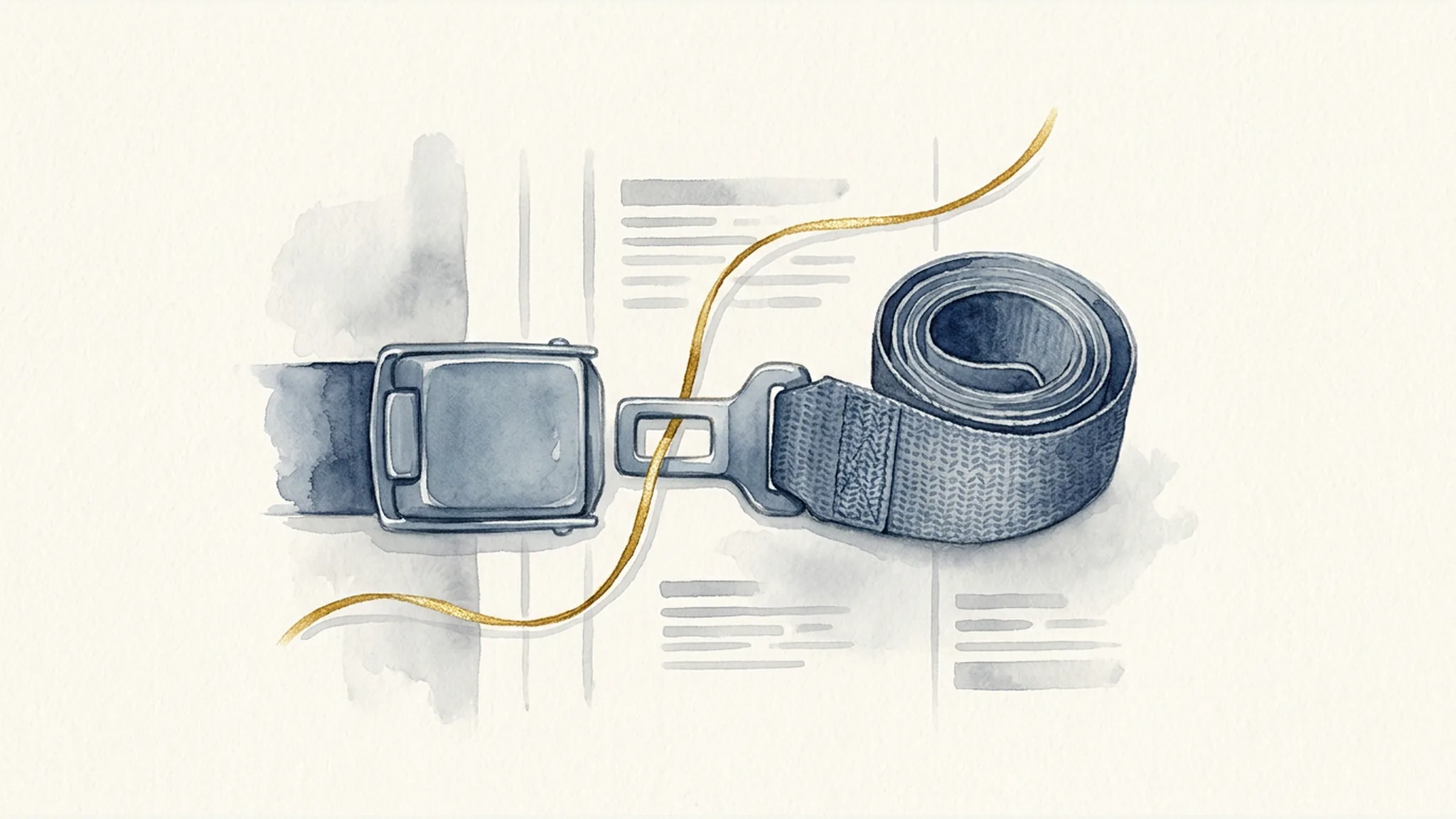
- a broken buckle, stretched strap, failed adjuster, or missing pad;
- missing, damaged, counterfeit, or unclear certification labels;
- inadequate warnings or instructions about fit, replacement after impact, or attachment use;
- the wrong size or wrong helmet type for the rider or activity;
- prior impact damage that was not visible before the crash; or
- lights, visors, camera mounts, reflective add-ons, or other attachments that may have affected performance.
None of those facts automatically proves a defect. They are clues that may require preservation and review.
Impact marks and hidden damage
Helmet damage is not always obvious. Federal helmet-label rules require warnings that no helmet protects against all impacts, that proper fit and attachment are required, that impact damage may be invisible, and that a helmet that sustains an impact should be returned for inspection or destroyed and replaced.
For safety, a crashed helmet should not be reused. For evidence, however, do not throw it away if a legal claim may exist. Store it safely in its post-crash condition so it can be photographed, inspected, and compared with the crash facts.
Strap, buckle, and roll-off issues
A helmet that comes off during a crash can raise questions about fit, strap adjustment, buckle performance, positional stability, and retention-system strength. CPSC standards include testing related to whether the helmet stays positioned and whether the retention system performs under force.
That does not mean a witness report that “the helmet flew off” proves the helmet failed a standard. It does mean the straps, buckle, adjusters, pads, and witness descriptions should be preserved before memories fade or parts are discarded.
Labels, certification, and model identification
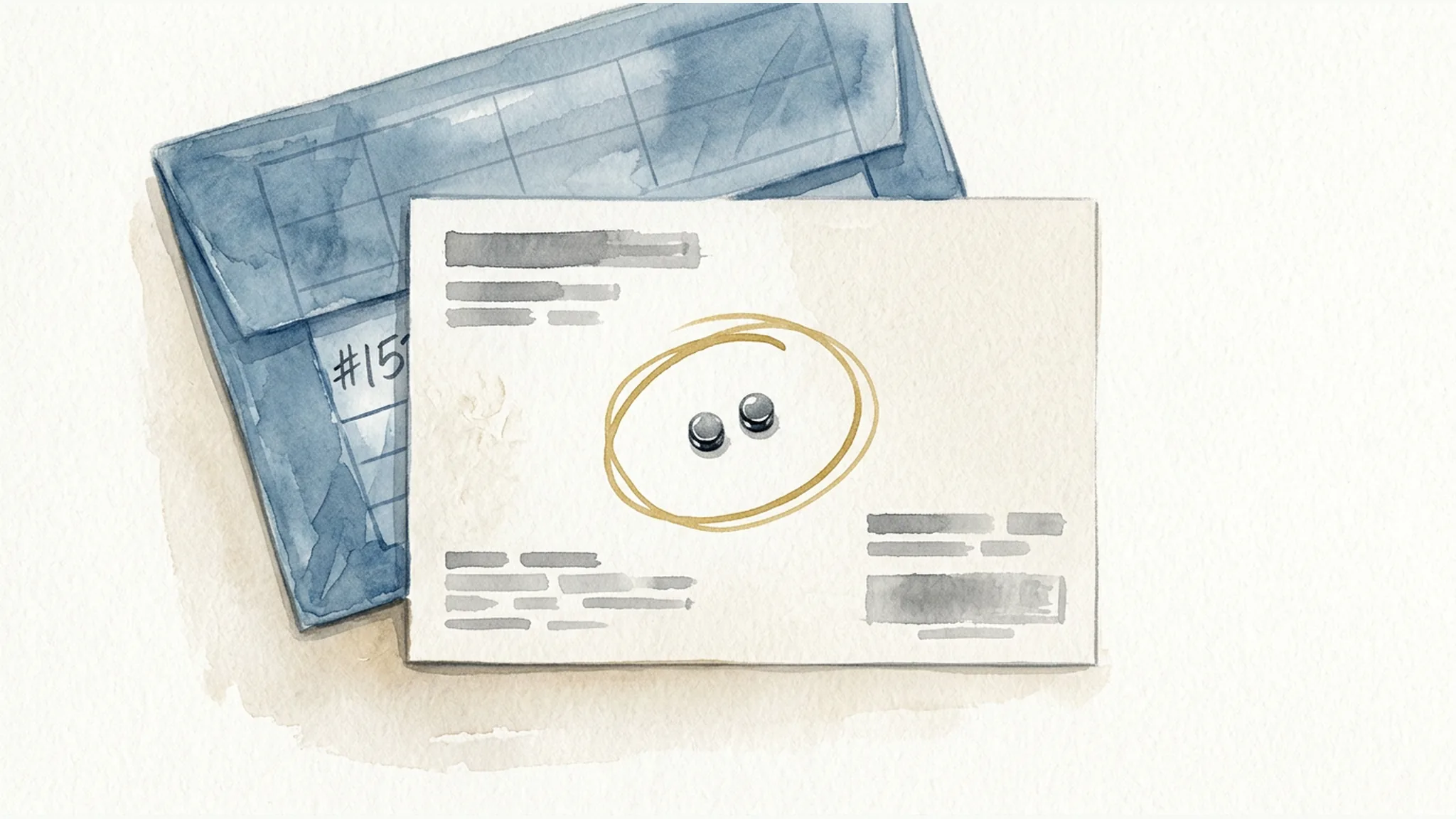
The inside labels can be just as important as the visible damage. For bicycle helmets made after March 11, 1999, federal rules require a certification label that serves as the certificate of compliance. The label must state either:
- “Complies with U.S. CPSC Safety Standard for Bicycle Helmets for Persons Age 5 and Older,” or
- “Complies with U.S. CPSC Safety Standard for Bicycle Helmets for Persons Age 1 and Older (Extended Head Coverage),” as applicable.
Photograph that label before the helmet is handled repeatedly, stored poorly, or exposed to moisture. Also photograph the brand, model, size, lot number, manufacture date, serial number, manufacturer or importer information, warning labels, and any Snell or ASTM label if present.
Oregon Law: Product Claims and Device-Specific Helmet Rules
Oregon defines a “product liability civil action” broadly. ORS 30.900 includes claims for personal injury, death, or property damage against a manufacturer, distributor, seller, or lessor arising from a product’s design, manufacturing, inspection, testing, warnings, or instructions. ORS 30.920 addresses strict product-liability claims for products sold or leased in a defective condition unreasonably dangerous to the user or consumer, while preserving other possible theories such as negligence or UCC-based claims.
That legal framework may matter when the question is not just “who caused the crash?” but also “did the helmet perform as it should have?”
Oregon’s helmet rules also depend on the device.
Bicycle and e-bike context
Oregon requires bicycle operators and passengers under age 16 to wear approved protective headgear when riding on a highway or premises open to the public. Oregon also treats an “electric assisted bicycle” as a bicycle for Oregon Vehicle Code purposes unless another statute provides otherwise. But classification can depend on facts such as pedals, motor wattage, and speed capability, so not every device called an “e-bike” will necessarily fit the statutory category.
If device classification affects a case, it should be checked carefully. Related crash-fault and classification issues may overlap with Oregon e-bike classification and liability issues, but this article stays focused on helmet evidence.
Motor-assisted scooter context
Oregon separately defines “motor assisted scooter” and requires operators of motor-assisted scooters to wear approved protective headgear when operating on a highway or premises open to the public. Unlike Oregon’s bicycle helmet rule, the motor-assisted-scooter helmet requirement is not limited to riders under age 16.
Rental scooter cases may also involve app records, trip data, device records, and operator documents. Those issues can be important, but they are separate from the helmet-specific evidence discussed here. For broader rental-scooter preservation issues, see e-scooter rental evidence after a crash.
Why Oregon’s bicycle no-helmet evidence rule should not be overstated
Oregon has a bicycle-specific statute, ORS 814.489, limiting certain evidence of a bicyclist’s violation of the under-16 helmet rule or lack of protective headgear when a claim arises from another person’s fault. That rule is important, but it should not be treated as a complete answer to every helmet question.
This article is about a helmet that was worn and may itself be evidence. Questions about product defect, fit, misuse, warnings, strap condition, prior damage, or scooter-specific rules can raise different issues. Oregon’s no-helmet evidence rule should not be overread as a universal bar on all helmet-related proof.
The CPSC Label and Standard: What to Photograph Before It Changes
Oregon’s administrative helmet rule adopts the CPSC mandatory bicycle-helmet standard at 16 CFR Part 1203 and listed voluntary Snell and ASTM standards for protective headgear for bicyclists, skateboarders, scooter riders, and in-line skaters. The CPSC standard is therefore a key baseline when investigating many bicycle and scooter helmet issues.
After a helmeted crash, photograph the helmet before further handling changes the evidence. Useful photos often include:
- the full helmet from every side;
- the inside CPSC certification label;
- warning labels about fit, attachment, invisible damage, and replacement after impact;
- brand, model, size, age-range, lot, date, and serial labels;
- manufacturer or importer identity and address if present;
- buckle, chin strap, side straps, sliders, pads, and fit-adjustment dial or system;
- cracks, dents, foam compression, scuffs, scrape direction, or missing pieces;
- visor, lights, camera mount, reflective add-ons, or other attachments; and
- packaging, hang tags, manuals, warranty cards, receipts, seller listings, and online order pages.
A missing or damaged label does not decide a claim by itself. But labels can help identify the exact product, determine whether it was in a recalled model/date/serial range, and evaluate whether required warnings and certification information were present.
Fit and Misuse Defenses: Why Strap Settings and Witness Details Matter
Helmet-product evidence often comes with defense arguments. A defendant may argue that the helmet was too loose, worn too high on the forehead, unbuckled, the wrong size, previously damaged, altered, or used with incompatible accessories. In Oregon, comparative-fault law can reduce damages when claimant fault applies and the claimant’s fault is not greater than the combined fault of others identified under the statute. How that rule applies in a product-liability case can be fact-specific.
The Oregon Supreme Court’s decision in Sandford v. Chevrolet Division of General Motors is a reminder that claimant conduct in product cases can require careful analysis. Conduct that contributes to an injury may be treated differently from conduct that is simply part of failing to discover or guard against the alleged product defect. A specific helmet-fit or misuse argument should be evaluated on the facts.
What proper fit generally looks like
NHTSA’s bicycle-helmet fit guidance gives practical reference points. A properly fitted helmet generally should:
- sit level and low on the forehead, about one or two finger-widths above the eyebrow;
- have snug side straps;
- have a snug chin strap, with no more than one or two fingers fitting under it; and
- not rock forward, backward, or side to side.
After a crash, preserve evidence of the actual settings. Do not “fix” the strap length for photos. If safe and possible, photograph the helmet as found, including the buckle, strap sliders, pads, and fit dial.
Witness details can matter
Witnesses may remember whether the helmet looked loose before the crash, whether it shifted during the crash, whether it came off, or whether someone moved it afterward. Those details can matter because they may support or rebut arguments about fit, misuse, strap failure, or impact sequence.
The goal is not to blame the injured rider. The goal is to preserve the facts before the helmet, the scooter or bike, the crash location, and witness memories change.
What to Preserve After a Helmeted Bike or Scooter Head Injury
If a helmet may be part of the case, preserve more than the helmet shell. A practical evidence checklist includes:
- The helmet in post-crash condition. Do not keep using it, clean it, repair it, cut straps, remove pads, or discard broken pieces.
- All helmet components. Save straps, buckle, pads, fit-adjustment systems, visor, lights, mounts, reflective stickers, and any attached accessories.
- All labels. Photograph the CPSC certification label, warning labels, model/date/lot/serial labels, and manufacturer or importer information.
- Purchase and product records. Save the receipt, order confirmation, online product page, seller listing, size chart, packaging, manual, hang tags, and warranty materials.
- Damage photos. Photograph cracks, foam compression, scuffs, scrape direction, dents, missing parts, and the helmet’s inside and outside surfaces.
- Crash-scene photos. Photograph the roadway, curb, pavement defect, vehicle contact point, scooter or bike, and anything the helmet may have struck.
- Rental or app records. If a rental e-scooter or e-bike was involved, preserve trip records, screenshots, account information, and device identifiers where available.
- Medical and symptom documentation. Seek medical care for head symptoms and document symptom progression. If imaging is normal but symptoms continue, related information about documenting concussion symptoms after normal imaging may be useful.
- Witness information. Save names, contact information, photos, videos, and notes about whether the helmet stayed on, shifted, came unbuckled, or appeared loose.
This checklist is practical evidence guidance derived from helmet standards, labeling rules, and safety guidance. It is not a guarantee that every item will matter in every case.
Recalls and Noncompliant Helmets: Useful Clues, Not Automatic Proof
CPSC recall notices show that real-world helmet problems can involve more than visible cracks. Recent bicycle-helmet recalls and warnings have identified alleged failures involving impact attenuation, retention systems, positional stability, labeling, and certification requirements.
A recall can be important if the injured person’s helmet falls within the specific brand, model, manufacture date, serial number, or seller range described in the notice. But a recall for one model is not proof about another helmet, even from the same brand or marketplace. It also does not automatically prove civil liability. The case still may require proof of defect, causation, damages, product identity, and how the helmet was used.
The practical takeaway is simple: save the labels and purchase records. Without them, it may be harder to determine whether the helmet matches a recall or warning.
Deadlines and Why Early Legal Review Can Matter
Oregon product-liability claims generally have a two-year discovery-based limitations rule for personal injury or property damage claims, subject to repose issues and other rules. Wrongful death claims, imported or out-of-state products, and other legal theories may change the deadline analysis.
Because deadline questions are legal and fact-specific, it is safer to preserve evidence promptly and seek case-specific advice if a helmet defect, warning problem, or disputed fit issue may be involved. Evidence can disappear quickly: helmets get thrown away, rental-app data changes, product listings vanish, labels wear off, and witnesses become harder to reach.
Bottom Line: Preserve the Helmet Before the Evidence Is Lost
When a rider suffers a head injury while wearing a helmet, the helmet may be more than safety equipment. It may be physical evidence.
Preserve it in post-crash condition. Photograph the labels, straps, buckle, pads, attachments, damage, crash surface, scooter or bike, and purchase records. Do not assume that a head injury proves helmet failure, and do not assume that a CPSC label or lack of visible damage ends the inquiry. Helmet cases can involve product standards, Oregon product-liability law, fit and misuse arguments, comparative fault, recall research, and expert review.
If you believe a helmet may be part of an Oregon bicycle, e-bike, or e-scooter injury claim, consider getting case-specific legal advice before the helmet or related records are lost.
FAQ
Can I have a helmet-failure claim if I was wearing a helmet but still got a concussion?
Possibly, but a concussion alone does not prove helmet failure. CDC guidance notes that there is no concussion-proof helmet. A claim involving a helmet usually requires a fact-specific investigation into the helmet, the crash forces, fit, warnings, certification, product condition, and causation.
Should I throw away a helmet after an e-scooter or bike crash?
Do not reuse a helmet after a crash. But if a legal claim may exist, do not throw it away. Preserve it safely in its post-crash condition with straps, pads, labels, attachments, packaging, manuals, and purchase records.
What helmet labels should I photograph after a crash?
Photograph the CPSC certification label, warning labels, brand, model, size, age range, lot number, manufacture date, serial number, and manufacturer or importer information if present. Also photograph any Snell or ASTM label.
Can the defense blame me for how the helmet fit?
Fit, strap adjustment, prior damage, modifications, incompatible accessories, or use of the wrong helmet type may be raised as misuse or comparative-fault issues. Oregon law is fact-specific in this area, especially when product-defect allegations and rider conduct overlap.
Does Oregon’s bicycle no-helmet evidence rule apply if I was wearing a helmet that failed?
ORS 814.489 addresses certain bicycle no-helmet evidence. It should not be treated as a complete answer to questions about a worn helmet’s defect, fit, misuse, warnings, prior damage, or scooter-specific rules.
Does a CPSC recall prove my helmet was defective?
Not by itself. A recall may be important evidence if your helmet matches the specific recalled model, manufacture date, serial number, or seller range. But a recall does not automatically prove civil liability and should not be generalized to unrelated helmets.
Sources
- Oregon Revised Statutes, ORS chapter 30, especially ORS 30.900, ORS 30.905, and ORS 30.920.
- Oregon Revised Statutes, ORS chapter 31, especially ORS 31.600.
- Oregon Revised Statutes, ORS chapter 814, including Oregon bicycle, electric-assisted-bicycle, motor-assisted-scooter, and bicycle no-helmet evidence provisions.
- Oregon Revised Statutes, ORS chapter 815, including ORS 815.052.
- Oregon Administrative Rule, OAR 735-102-0030.
- Consumer Product Safety Commission, Bicycle Helmets Business Guidance.
- Electronic Code of Federal Regulations, 16 CFR Part 1203, Safety Standard for Bicycle Helmets.
- National Highway Traffic Safety Administration, Easy Steps to Properly Fit a Bicycle Helmet.
- Centers for Disease Control and Prevention, HEADS UP Helmet Safety Guidelines.
- Sandford v. Chevrolet Division of General Motors, 292 Or 590, 642 P2d 624 (1982), available through Justia.
Client-First Fee Promise
Client First = Bills First, Fees Second
Your unpaid medical bills do not have to make your lawyer's fee bigger. Johnson Law subtracts qualifying medical bills before calculating our fee, helping clients keep more of their settlement.
Applies to qualifying cases. Results vary.