Highway Crash Settlements in Oregon: Why Injuries (and Value) Rise With Speed
Highway Crash Settlements in Oregon: Why Injuries (and Value) Rise With Speed
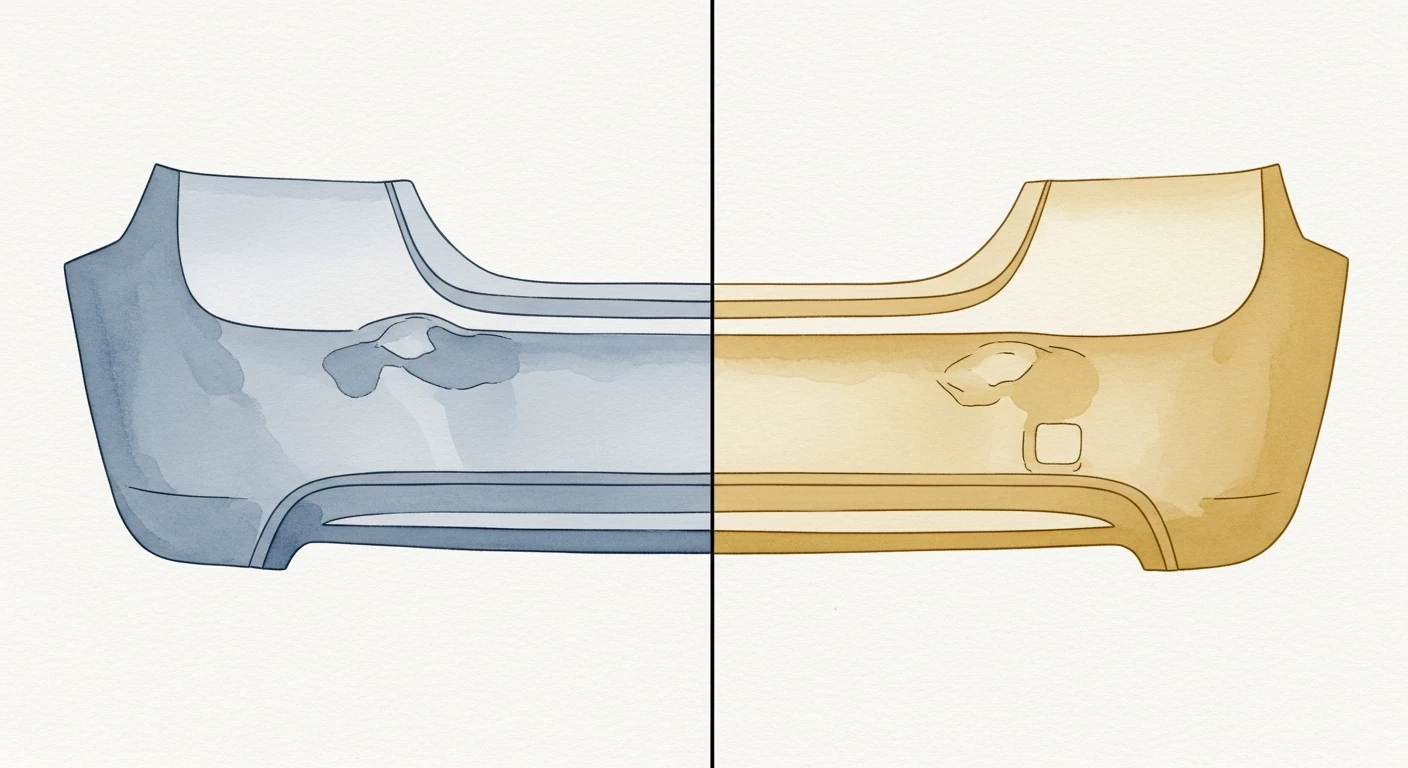
Two crashes can leave almost identical dents in a rear bumper—yet the injury outcomes and settlement values can be worlds apart. The biggest reason is speed. Oregon highways like I-5, I-84, and US-26 move traffic fast enough to generate exponentially greater forces than most city streets. That difference changes everything: the biomechanics of the impact, the likelihood of catastrophic injuries, the complexity of liability, and the size of a fair settlement.
This guide explains why highway crashes often lead to higher injury claim values in Oregon, what evidence matters most, and how to protect your rights after a high-speed collision. You’ll also find links to high-quality sources—public agencies and medical authorities—to help you understand the science, safety data, and legal framework behind these claims.
Quick Summary: Why Highway Claims Often Value Higher
- Speed multiplies force. The energy released in a collision rises with the square of speed, so a highway impact can be many times more violent than a city-street crash.
- Severe injuries are more likely. High speeds increase the risk of traumatic brain injuries, spinal damage, and internal trauma.
- Chain reactions are common. Multi-vehicle pileups are more frequent on highways, making liability and settlements more complex.
- Medical documentation gets bigger—and more expensive. Advanced imaging, specialist care, and long-term treatment are common after high-speed crashes.
Why Speed Changes Everything: The Physics Behind Injury Severity
Highway collisions are governed by one simple fact: kinetic energy increases with the square of speed. If speed doubles, the destructive energy quadruples. That is why a 60 mph crash is dramatically more severe than a 30 mph crash—even if the vehicle damage looks similar.
You can see this principle in basic physics references on kinetic energy and crash dynamics, such as the U.S. Department of Transportation’s explanations of speed and crash severity. The effect is real and measurable, and it is a core reason that insurance companies and courts view highway impacts as higher-risk events.
High-quality sources:
What “Speed Delta” Means for Your Injury Claim
In injury cases, professionals don’t just look at how fast a car was going. They look at speed delta—the total change in velocity at impact. A sudden deceleration from 60 mph to 0 mph produces extreme G-forces that the body is not designed to withstand. Even with a seatbelt and airbags, the brain, spine, and internal organs can suffer violent acceleration-deceleration forces.
This is why a highway collision can cause serious injury even when the vehicle damage looks moderate. A large speed delta often correlates with more serious trauma, and it supports higher settlement values when backed by medical evidence.
High-quality sources:
- Centers for Disease Control and Prevention (CDC): Traumatic Brain Injury Basics
- Mayo Clinic: Whiplash
Highway Injuries vs. City Street Injuries: What Changes Biomechanically
At lower speeds, the most common injuries are soft-tissue strains (such as whiplash). At highway speeds, the forces can cause structural failures—disc herniations, spinal fractures, torn ligaments, and traumatic brain injuries. The difference is not merely a matter of pain level; it is a different injury mechanism.
When a high-speed crash occurs, the body experiences a “three-collision event”:
- Vehicle impact: The car hits another object.
- Occupant impact: The body hits the restraint system, interior, or airbag.
- Internal impact: Organs strike the inside of the body.
The third collision is often the most dangerous, and it is where severe internal injuries arise. These injury patterns are precisely why highway settlement values often exceed city-street claims.
High-quality sources:
Oregon Crash Data Shows the High-Speed Risk
Oregon crash data consistently shows that severe and fatal injuries are more common at higher speeds. ODOT’s statewide crash summaries highlight the link between speed and serious injury outcomes. That data is a key reason why insurers treat highway accidents differently—they expect more serious medical consequences.
High-quality sources:
Multi-Vehicle Pileups: Why Highway Crashes Get Legally Complex
Highways are designed for speed and volume. When traffic stops abruptly, the result can be a chain-reaction collision involving multiple vehicles. This creates two settlement challenges:
- Multiple impacts increase injury severity. A person can be hit several times in rapid succession.
- Liability becomes fragmented. Oregon’s comparative negligence rules allow fault to be divided among multiple drivers.
In a multi-vehicle crash, each insurer will try to minimize its share of blame. That makes accident reconstruction, vehicle data, and consistent medical documentation even more important.
High-quality sources:
Medical Documentation: The Evidence That Defines Value
In any personal injury case, documented injuries are the only injuries that “count.” After a highway crash, the medical record often includes:
- Emergency department evaluations
- CT scans and MRIs
- Specialist consultations (neurology, orthopedics, pain management)
- Physical therapy and rehabilitation
- Surgical recommendations or long-term care plans
This documentation not only proves what happened—it supports future damages. A physician’s opinion that you need ongoing care or a surgical procedure forms the basis for settlement negotiations.
High-quality sources:
- American College of Surgeons: Trauma Care Overview
- American Academy of Orthopaedic Surgeons: Herniated Disk in the Lower Back
Common Documentation Mistakes That Reduce Value
- Gaps in treatment. Insurance adjusters may argue that gaps mean your injuries resolved.
- Under-reporting symptoms. If headaches, dizziness, or numbness are not in the chart, they are hard to claim later.
- Skipping specialist referrals. Declining recommended care can be framed as failing to mitigate damages.
Consistent treatment and accurate reporting help protect the full value of your claim.
Proving Negligence in an Oregon Highway Crash
Oregon law requires you to show that another party’s negligence caused the crash. Evidence typically includes:
- Police reports and witness statements
- Vehicle damage analysis and crash reconstruction
- Electronic data from event data recorders
- Traffic camera or dashcam footage
Oregon’s modified comparative negligence rule bars recovery if a claimant is 51% or more at fault. That makes thorough evidence collection essential.
High-quality sources:
- Oregon Revised Statutes § 31.600 (Comparative Fault)
- Oregon Judicial Department: Civil Jury Instructions
Settlement Value: What Typically Drives the Numbers Up or Down
Every case is unique, but highway crash settlements tend to rise when these factors are present:
- Objective medical findings (MRI-confirmed injuries, documented neurological deficits)
- Long-term treatment plans or surgical recommendations
- Work disruption and lost earning capacity
- Multi-vehicle liability providing access to multiple policies
- Clear evidence of high speed or large speed delta
Conversely, settlement values often decline when there is incomplete treatment, a long delay before seeking care, or conflicting injury histories.
Steps to Protect Your Claim After a Highway Crash
- Get medical care immediately and follow through on referrals.
- Document symptoms in detail, even those that seem minor at first.
- Preserve evidence such as photos, vehicle damage, and witness information.
- Avoid recorded statements until you understand your legal rights.
- Track expenses and lost wages for accurate economic damages.
Frequently Asked Questions
Do highway crashes always lead to larger settlements?
Not always, but the risk of severe injury is higher at highway speeds, and that increases the potential value of a claim—especially when supported by strong medical documentation.
Can I recover if I was partially at fault?
Yes, as long as your share of fault is 50% or less under Oregon law. Your recovery is reduced by your percentage of fault.
Why do injuries sometimes look worse than vehicle damage?
Vehicle crumple zones absorb energy, but the human body still experiences large deceleration forces. Soft-tissue or internal injuries can be severe even when the vehicle damage appears moderate.
Related Resources
If you want help evaluating a highway crash claim, it’s wise to speak with a qualified Oregon personal injury attorney who can assess your specific facts and protect your rights.
Client-First Fee Promise
Client First = Bills First, Fees Second
Your unpaid medical bills do not have to make your lawyer's fee bigger. Johnson Law subtracts qualifying medical bills before calculating our fee, helping clients keep more of their settlement.
Applies to qualifying cases. Results vary.