Hit by a Government Vehicle in Washington? Evidence and Claim-Filing Rules
Hit by a Government Vehicle in Washington? Evidence and Claim-Filing Rules
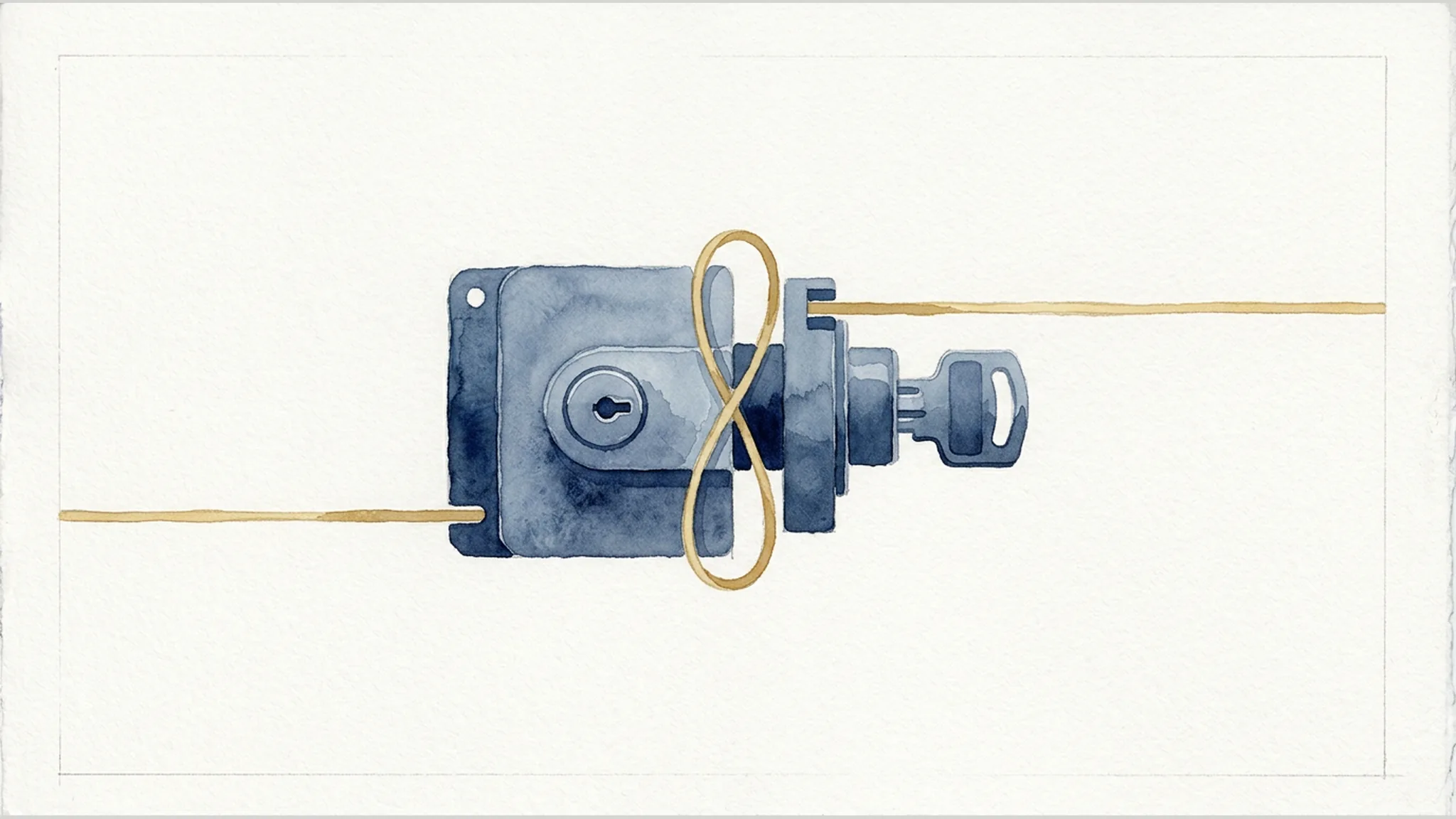
After a crash involving a government vehicle in Washington, two kinds of work may need to move forward at the same time:
- Preserve and request evidence that may be held by the agency, including video, dispatch records, vehicle assignments, and location data.
- Identify the correct public entity and present the formal tort claim through the procedure that applies to that entity.
These tracks serve different purposes. A public-records request, collision-report order, preservation letter, insurer notice, or complaint to an agency is not a statutory tort claim. None should be assumed to replace formal claim presentment or extend a claim or lawsuit deadline.
The correct claim route depends on who owned or operated the vehicle, who employed the driver, and whether the driver was acting within the scope of that work. A Washington state vehicle, City of Vancouver vehicle, Clark County vehicle, C-TRAN vehicle, and federal vehicle do not all share one filing destination.
This article provides educational information, not legal advice. Entity identification and deadline calculations depend on the specific facts.
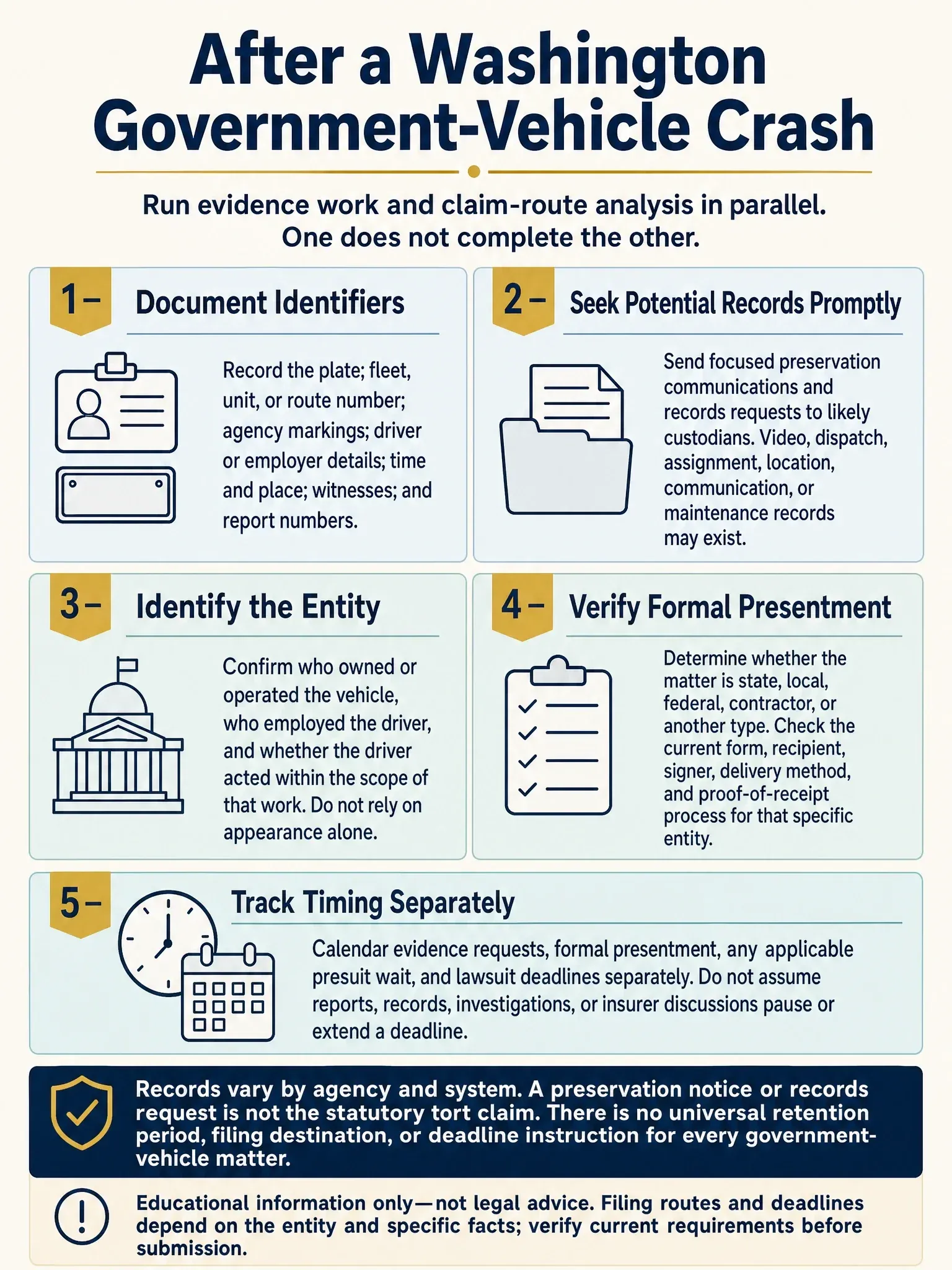
First Steps: Preserve Evidence While Relevant Records May Still Be Available
Do not assume the crash report will contain all of the useful evidence. A police report may address the collision, but it may not include records maintained by a fleet office, transit system, dispatch center, or the driver’s employer.
Washington State Patrol says an officer’s collision report may take approximately two to four weeks to complete and receive approval. Evidence and claim-deadline work may need to proceed while the report is still pending.
Record the vehicle and driver identifiers
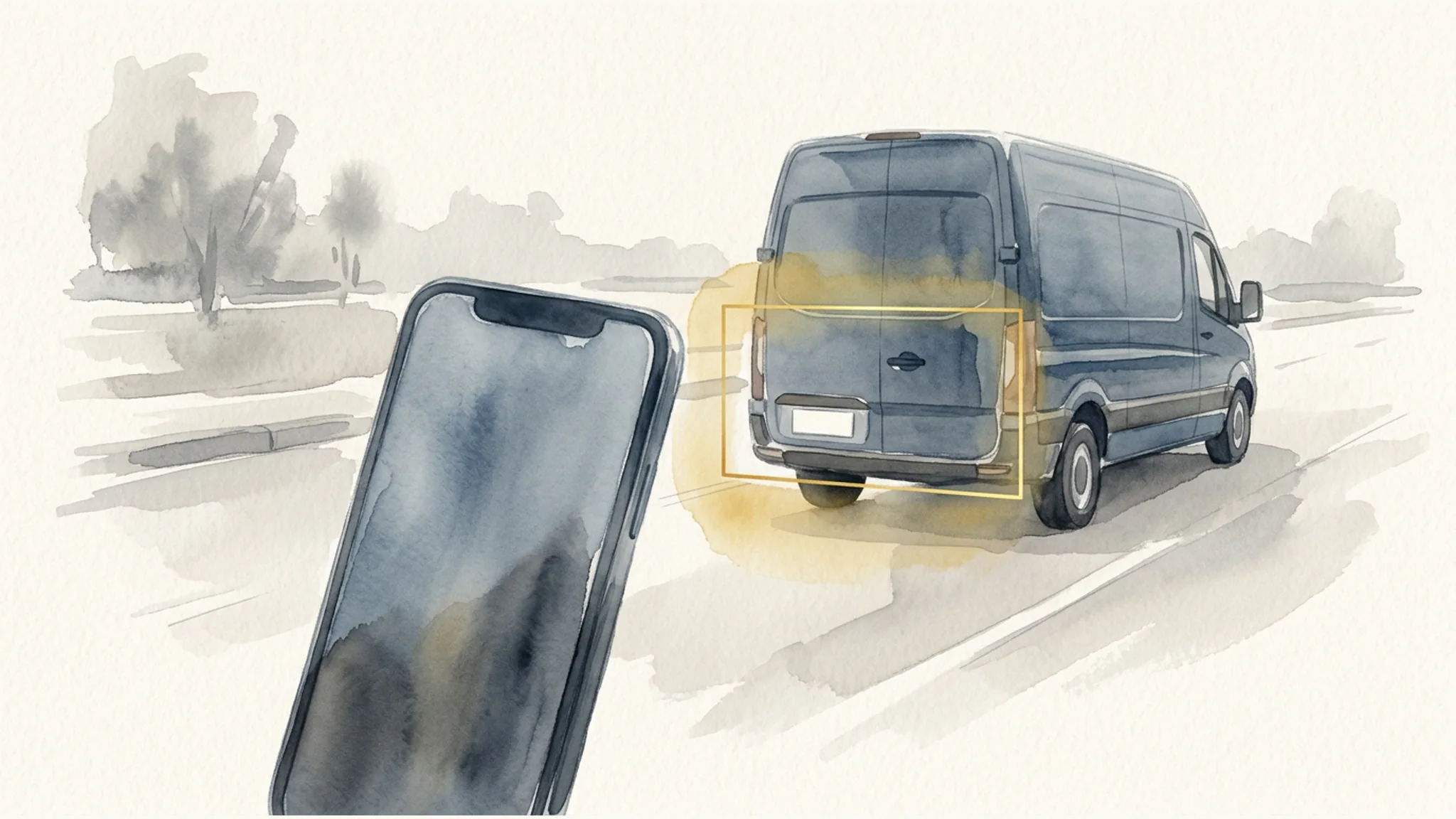
At the scene, or as soon afterward as possible, preserve the information that can connect the vehicle and driver to the correct agency. Useful details may include:
- the license plate;
- fleet, unit, bus, or vehicle number;
- agency names, logos, and other markings;
- the driver’s name and any employer information provided;
- a transit route or work assignment, if known;
- the date, time, location, and direction of travel;
- photographs or video of the vehicles, scene, and visible damage;
- witness names and contact information; and
- the investigating agency, incident number, and collision-report number.
These identifiers can help answer two separate questions: which office may hold the records, and which entity’s claim-presentment procedure may apply. If the owner or employer remains unclear, document what is visible and seek official records rather than guessing from the vehicle’s appearance.
Identify records that may be held by the agency
Depending on the vehicle, agency, and event, potentially relevant records may include:
- CAD or dispatch incident records and audio;
- agency incident reports and photographs;
- dash-camera, body-camera, cabin, or exterior video;
- vehicle assignment and use logs;
- GPS, automatic vehicle location (AVL), or other telematics;
- communications concerning the route, assignment, or collision;
- inspection, maintenance, repair, or vehicle-history records; and
- policies and retention schedules for the relevant systems.
Not every public entity creates or retains every category. Some material may also be withheld or redacted under an applicable exemption. A targeted request should identify the date, a reasonable time range, location, vehicle or unit number, route if applicable, incident number, and specific record types sought.
For location data, it may be useful to identify both raw and consolidated GPS or telematics records, along with the export format or data definitions. Washington State Archives guidance recognizes that raw vehicle data may be routinely deleted after it is verified or consolidated, while consolidated vehicle-use data may be kept longer.
Act promptly, but do not promise a universal deletion date
Government records do not share one retention period. The applicable schedule may depend on the agency, technology, record series, and whether the material became part of an identified incident or case file.
Official Washington retention guidance illustrates why prompt requests matter. A June 2026 emergency-communications schedule lists 90 days for specified public-safety answering point communications and 30 days for certain automatically generated first-responder GPS/AVL data. State Archives guidance also lists non-law-enforcement dash-camera footage with no identified incident for 30 days after creation or until the agency determines no security incident occurred, whichever is sooner. Other recordings—including incident-linked material—may follow different schedules.
Those are limited examples, not universal rules. They should not be treated as the retention period for C-TRAN, every dispatch system, all fleet location data, or every camera. The safer practical point is simple: identify likely custodians and send focused communications promptly.
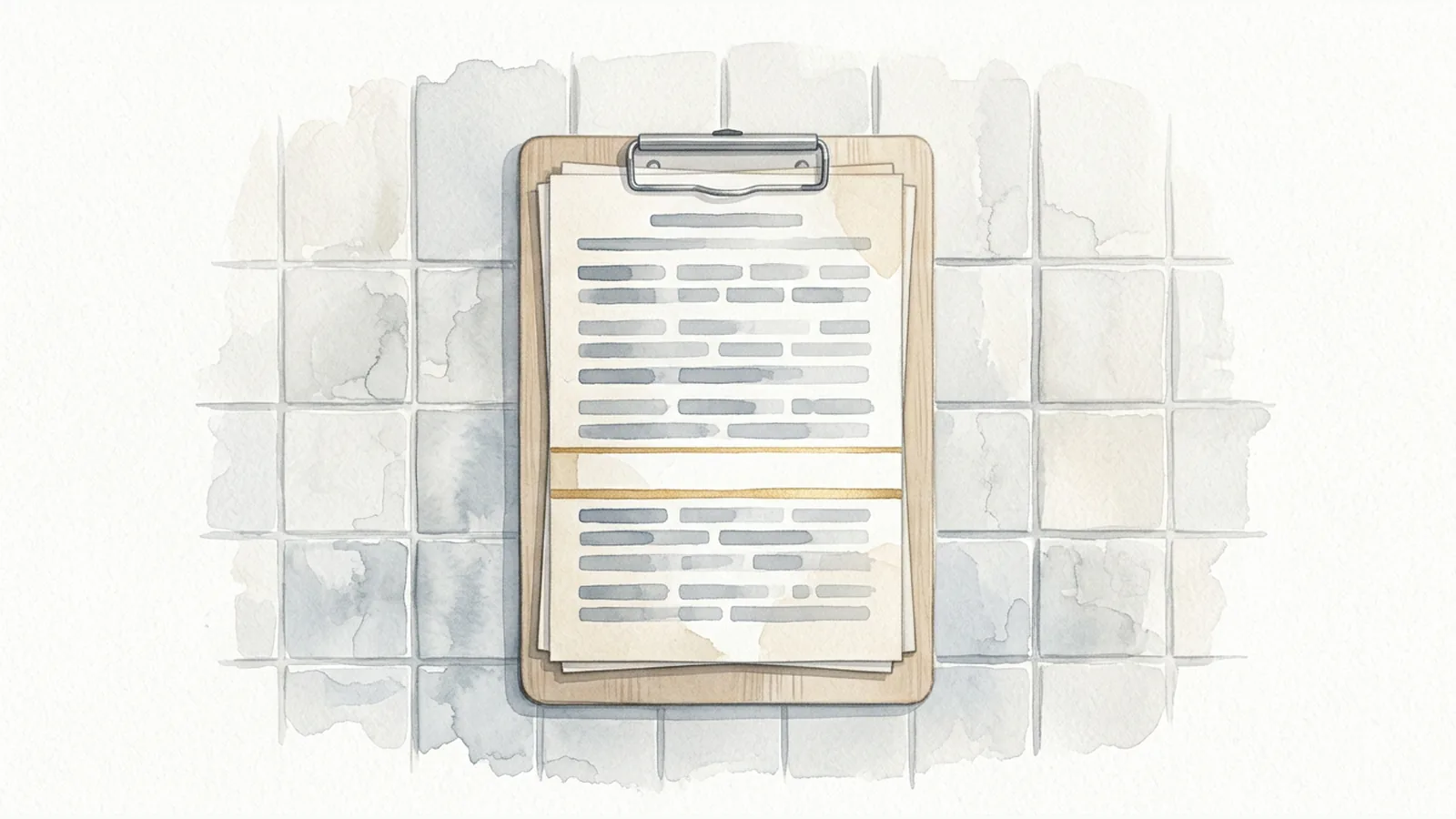
A Records Request, Preservation Notice, and Tort Claim Are Three Different Steps
These documents can be sent around the same time, but they do different jobs:
- A preservation communication identifies potentially relevant evidence and asks the recipient to retain it.
- A Washington Public Records Act request asks an agency to produce identifiable existing public records.
- A tort claim form formally presents a claim through the channel required for the state or local entity.
Sending one does not complete the others. Records work should not delay identification of the correct claim recipient or evaluation of the applicable deadlines.
What a Washington public-records request can—and cannot—do
Under Washington’s Public Records Act, a covered Washington state or local agency generally must respond within five business days by producing records, providing a link, acknowledging the request and giving a reasonable estimate, seeking clarification, or denying the request. That is an initial-response rule, not a guarantee that all records will be produced within five business days.
If an identifiable public record exists when the request is made but is scheduled for destruction, Washington law requires the agency to retain it until the request is resolved. A request cannot recover material that was already overwritten or lawfully destroyed before the request arrived. Requested records may also be subject to exemptions or redactions.
Why a preservation letter is not a claim notice
A prompt written preservation notice can alert an entity to potentially relevant video, data, or documents. But it should not be described as automatically creating a legal hold in every situation, and it is not the statutory tort claim form.
The same is true of a crash-report request, records request, insurer claim, citizen complaint, or discussion with the government driver. Those steps do not substitute for presenting a formal claim to the proper recipient.
Do not let records gathering consume the filing window
An agency may still be preparing its collision report, estimating when records will be produced, investigating the crash, or communicating through an insurer. None of those developments should be assumed to pause or extend a presentment or lawsuit deadline.
Treat evidence collection and deadline analysis as parallel projects. Possible first-party benefits are separate too; see our overview of Washington PIP benefits after an auto injury.
Identify the Correct Public Entity Before Choosing a Claim Form
Begin by asking:
- Who owned or leased the vehicle?
- Which agency or organization operated it?
- Who employed the driver?
- Was the driver acting within the scope of public employment?
A logo, light bar, uniform, or public-project location may provide a clue, but it does not conclusively answer these questions. A contractor’s vehicle may look connected to a public project without being owned or operated by the government. Other vehicles may involve federal, tribal, interstate, or out-of-state entities with different rules.
Scope of employment also matters. In Hanson v. Carmona, the Washington Supreme Court held that chapter 4.96’s presuit requirement applied when a local-government employee acted within the scope of employment even though the employee was sued in an individual capacity. Naming a driver individually therefore does not necessarily avoid the public-entity presentment process.
Vancouver and Clark County are not one filing destination
Local labels can create confusion. The City of Vancouver, Clark County, and C-TRAN are separate entities, and each publishes its own claim channels. A Washington state agency uses the state process through the Department of Enterprise Services Office of Risk Management (DES ORM).
Do not assume that sending a form to one Vancouver-area government office presents a claim to the others. Current forms, designated agents, addresses, and permitted electronic methods should be verified immediately before submission. A general records officer is not necessarily the designated claim agent.
Government driver claim versus roadway-condition claim
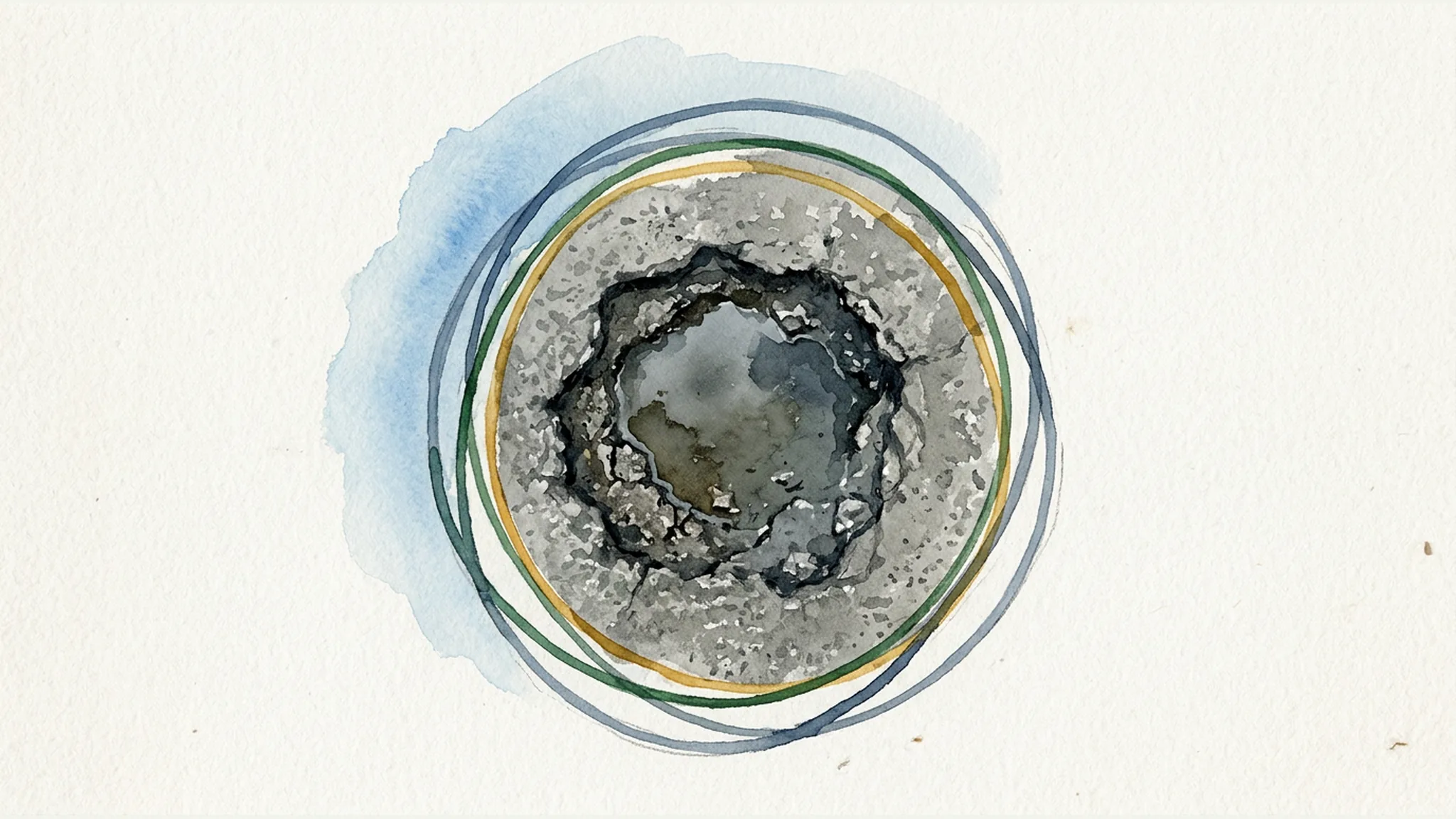
This article addresses a collision involving a government-owned or government-operated vehicle. A claim based instead on a pothole, roadway design, maintenance, or the identity of the responsible road authority raises a different entity-identification problem. Our companion guide explains government road-authority and pothole claims in Vancouver.
Washington State Vehicle Claims: Present the Claim to DES Office of Risk Management
Claims against Washington state, or its officers, employees, or volunteers acting in that capacity, must be presented to DES ORM under RCW 4.92.100. This state route is not the route for a county, city, local transit entity, federal agency, private party, or another state.
What the state claim form generally requires
The standard state tort claim form must request, at minimum:
- the claimant’s name, date of birth, and contact information;
- a description of the conduct and circumstances;
- the injuries and damage claimed;
- the time and place of the event;
- involved people’s names and known contact information;
- the amount claimed;
- residence information required by the statute; and
- a signature from a person authorized to sign.
That list is a procedural overview, not guidance on how to value a claim or complete a form for a particular case.
How a state claim is presented
RCW 4.92.100 deems a state claim presented when ORM receives it by in-person delivery; by regular, registered, or certified mail, with return receipt requested; or as an email attachment or by fax. Electronically signed forms and email or fax transmissions must also satisfy the statute’s format-and-transmission requirements. DES currently provides secure online filing as well.
Because contact details and portals can change, use DES’s current instructions immediately before filing. Keep a copy of the completed and signed form, all attachments, transmission records, and proof showing when ORM received it.
City, County, Transit, and Other Local Claims: File With the Designated Agent
Chapter 4.96 RCW covers local governmental entities such as counties, cities, towns, special districts, municipal corporations, and other listed public bodies. A public transportation benefit area is a municipal corporation, placing a transit entity such as C-TRAN generally within the local-government branch rather than the state ORM branch.
C-TRAN’s current claim packet directs claims to C-TRAN but cites the state-claim provisions in chapter 4.92 RCW. Because C-TRAN is a municipal corporation governed by the local-claim framework, verify its current designated agent and business-hours address in the Clark County Auditor’s records and confirm the accepted delivery method before submission.
Find and verify the entity’s designated agent
Each local governmental entity must appoint an agent to receive damage claims. The agent’s identity and business-hours address must be recorded with the auditor of the county where the entity is located.
Verify the appointed agent for the specific public body immediately before presenting the claim. Sending materials to DES ORM, a general public-records officer, the driver, an insurer, or a different government body is not a safe substitute for delivery to the correct local recipient.
Use a compliant form and provable delivery method
A local claim may use the DES standard tort claim form or a compliant form supplied by the local entity. The required information and an authorized signature matter.
The claim must be presented to the designated agent within the applicable limitations period. At a minimum, the form must request the claimant’s name, date of birth, and contact information; the conduct and circumstances; the injury or damage; time and place; involved persons and known contact information; the amount claimed; and the claimant’s actual residence both at presentment and when the claim arose. It must be signed by a person authorized under RCW 4.96.020(3)(b).
Under RCW 4.96.020, a local claim is deemed presented when the form is delivered in person or received at the designated agent’s office by regular, registered, or certified mail, with return receipt requested. The statute does not make email, fax, or online filing a universal method of local presentment. If an entity publishes an electronic option, verify that it is authorized for that entity and retain proof of receipt; when validity is unclear, use a method expressly listed in the statute.
Do not plan around “substantial compliance”
Washington law provides for liberal construction of local claim-content and procedural requirements, and substantial compliance may suffice in some circumstances. But substantial compliance is a fact-specific litigation issue—not a recommended filing method.
Using the correct form, identifying the correct agent, including the required information, obtaining an authorized signature, and preserving proof of timely delivery can avoid disputes that arise from relying on an imperfect submission.
What Washington’s 60-Day Waiting Rules Actually Mean
The 60-day rule is often misunderstood. For covered state and local claims, it is generally a presuit waiting period after proper presentment, not a requirement to file the claim within 60 days of the crash.
State claims: wait after ORM receives the claim
For a claim governed by RCW 4.92.110, a lawsuit may not begin until 60 calendar days have elapsed after ORM receives the claim. The statute tolls the applicable limitation period during that 60-day period and also contains an additional five-court-day timing provision.
Local claims: wait after presentment to the designated agent
For a covered local claim, RCW 4.96.020(4) generally prevents suit until 60 calendar days have elapsed after first presentment to the designated agent. The local statute also addresses tolling during that period and contains five-court-day language.
The safer public-facing rule is to begin suit only after the full 60 calendar days have elapsed from proper presentment. Do not assume an incorrectly directed claim started the waiting or tolling period.
Why last-minute calculations need individualized review
Washington commonly provides a three-year limitations period for actions for injury to a person or personal property, but that is not an automatic final deadline for every government-vehicle matter. Accrual, tolling, disability, claim type, presentment, and the rules for commencing an action can change the analysis.
The interaction among the underlying limitation period, the 60-day tolling provision, the additional five-court-day language, and lawsuit-commencement rules can become especially important near an expiring deadline. Filing a tort claim form does not itself commence a lawsuit, and this article cannot safely calculate a final filing date from the collision date alone. For broader context, read about Washington government-claim presentment and lawsuit timing.
Deadline Traps That Can Undermine a Government-Vehicle Claim
Waiting for the crash report or records response
A WSP collision report may take weeks, and a Public Records Act acknowledgment does not mean production is complete. Neither process should be assumed to extend a claim or litigation deadline.
Filing with the wrong government office
DES ORM handles Washington state claims. A covered local claim goes to that entity’s designated agent. A federal administrative claim goes to the appropriate federal agency. Sending materials to a driver, insurer, records officer, or unrelated public office is not a reliable substitute.
Assuming the claim form starts the lawsuit
Presentment is a presuit procedural step. Submitting the claim form does not itself commence a civil action.
Treating three years as an automatic answer
Three years is Washington’s usual limitations period for actions for injury to a person or personal property, but it is not a universal answer. The relevant claim, accrual, tolling, disability, presentment, and commencement rules must be considered together.
Forgetting claims tied to an employee acting within scope
A claim based on conduct within the scope of local public employment may trigger chapter 4.96 even if the employee is named individually. The correct analysis does not necessarily turn on the caption chosen for a later lawsuit.
If the Vehicle Was Federal, Do Not Use Washington’s State or Local Forms
If a federal employee acting within the scope of federal employment was involved, the Federal Tort Claims Act generally supplies a separate administrative-claim route. For most FTCA claims, the appropriate federal agency must receive an executed Standard Form 95 or other written notice of the incident, together with a demand for a “sum certain,” within two years after accrual. Standard Form 95 is commonly used but is not always mandatory; if a representative signs, the submission must also establish that person’s authority.
Suit generally cannot begin until the agency finally denies the claim in writing or six months pass without final disposition, at which point the claimant may elect to treat the inaction as a final denial. After the agency mails a final denial by certified or registered mail, the claimant generally must begin suit within six months of the mailing date.
These rules are materially different from Washington’s 60-calendar-day state and local framework. The proper federal agency, scope of employment, potential exceptions, and defendant identity can require separate analysis.
A Practical Two-Track Checklist After a Washington Government-Vehicle Crash
- Document the vehicle and driver. Preserve the plate, fleet or unit number, agency markings, driver information, assignment or route, scene, witnesses, and report identifiers.
- Investigate the public entity. Identify the vehicle owner and operator, the driver’s employer, and whether the driver appeared to be acting within the scope of work. Do not rely on appearance alone.
- Start evidence work promptly. Send focused preservation communications and Public Records Act requests to each likely records custodian, identifying the relevant time, place, vehicle, and record categories.
- Classify the claim separately. Determine whether the vehicle belongs in the Washington state, local-government, federal, contractor, or another branch.
- Verify presentment details. Confirm the current form, designated recipient, authorized signer, delivery method, and proof-of-receipt process for the specific entity.
- Calendar different timing issues separately. Track evidence requests, formal presentment, the applicable presuit wait, and any lawsuit deadline. Do not rely on records production, agency investigation, or insurer discussions to preserve a legal deadline.
- Seek Washington-specific guidance when needed. Entity identification and last-minute deadline calculations can be consequential and fact-dependent.
Getting Help With a Government-Vehicle Crash in Vancouver or Clark County
A government-vehicle collision can require investigation beyond the ordinary exchange of insurance information. A lawyer may be able to investigate the vehicle and driver’s public employer, identify potential agency records, evaluate the correct state, local, or federal presentment route, and calculate deadlines from the specific facts.
If you were injured in Vancouver or Clark County and want to discuss a collision involving a public vehicle, you can learn more about Johnson Law’s Vancouver car-accident services. Contacting a lawyer does not revive an expired deadline, so prompt review can matter.
Frequently Asked Questions
Is a public-records request the same as filing a tort claim in Washington?
No. A public-records request seeks identifiable agency records. A tort claim must be presented through the procedure that applies to the relevant state or local entity. A records request does not replace formal presentment or extend claim or lawsuit deadlines.
Do I have to file a Washington government claim within 60 days of the crash?
That is not what the cited state and local 60-day provisions say. They generally require the full 60 calendar days to elapse after proper presentment before a lawsuit begins. Tolling, five-court-day language, and the underlying limitation period require careful calculation.
Where do I file if a City of Vancouver, Clark County, or C-TRAN vehicle hit me?
Those are separate local entities, not one filing destination. Identify the entity responsible for the vehicle and verify that entity’s designated agent, current form, and accepted submission method immediately before presenting the claim.
What records should I request after a crash involving a government vehicle?
Depending on what the agency created and retained, records might include dispatch or CAD material, incident reports, photographs, video, vehicle-assignment logs, GPS/AVL or telematics, communications, maintenance records, and retention policies. Use precise date, time, location, unit, route, and incident identifiers.
How long does a government agency keep dash-camera or GPS evidence?
There is no universal retention period. It varies by agency, system, record series, and whether the material is connected to an identified incident or case. Some official schedules contain relatively short periods for particular categories, which is why targeted action should begin promptly without assuming a fixed deletion date.
What if the vehicle belonged to the federal government?
Washington’s state and local forms generally are not the correct route. The FTCA ordinarily requires a written administrative claim to reach the appropriate federal agency, including a sum certain, and it uses different presentment, waiting, and suit deadlines.
Source Notes
The following primary and official sources support the legal and procedural points summarized above:
- RCW 4.92.100 — Washington state claim recipient, form content, signature, and presentment methods.
- RCW 4.92.110 — state 60-calendar-day presuit wait, tolling, and five-court-day language.
- Washington DES: File a Tort Claim — current state filing options and instructions.
- RCW 4.96.010, RCW 4.96.020, and RCW 36.57A.010(7) — local-government coverage, designated agents, forms, presentment, waiting periods, and public transportation benefit areas.
- Hanson v. Carmona, No. 99823-0 (Wash. 2023) — application of local presentment requirements when an employee acted within the scope of public employment.
- RCW 4.16.080 and RCW 4.16.170 — the usual limitations category for injury to a person or personal property and action-commencement rules.
- RCW 42.56.100 and RCW 42.56.520 — retention of requested existing records and the Public Records Act’s initial-response rule.
- Washington State Archives retention schedules, dash-camera guidance, and vehicle-records guidance — qualified evidence categories and retention examples.
- Washington State Patrol collision reports — collision-report access and estimated officer-report approval timing.
- 28 U.S.C. § 2401(b), 28 U.S.C. § 2675, 28 C.F.R. § 14.2, and U.S. Department of Justice Standard Form 95 guidance — the introductory federal administrative-claim branch.
Agency contacts, forms, designated agents, electronic submission options, and retention schedules can change. They should be rechecked before any submission.
Client-First Fee Promise
Client First = Bills First, Fees Second
Your unpaid medical bills do not have to make your lawyer's fee bigger. Johnson Law subtracts qualifying medical bills before calculating our fee, helping clients keep more of their settlement.
Applies to qualifying cases. Results vary.