82nd Avenue at Beech and Ash: Which Vehicle Movements Changed?
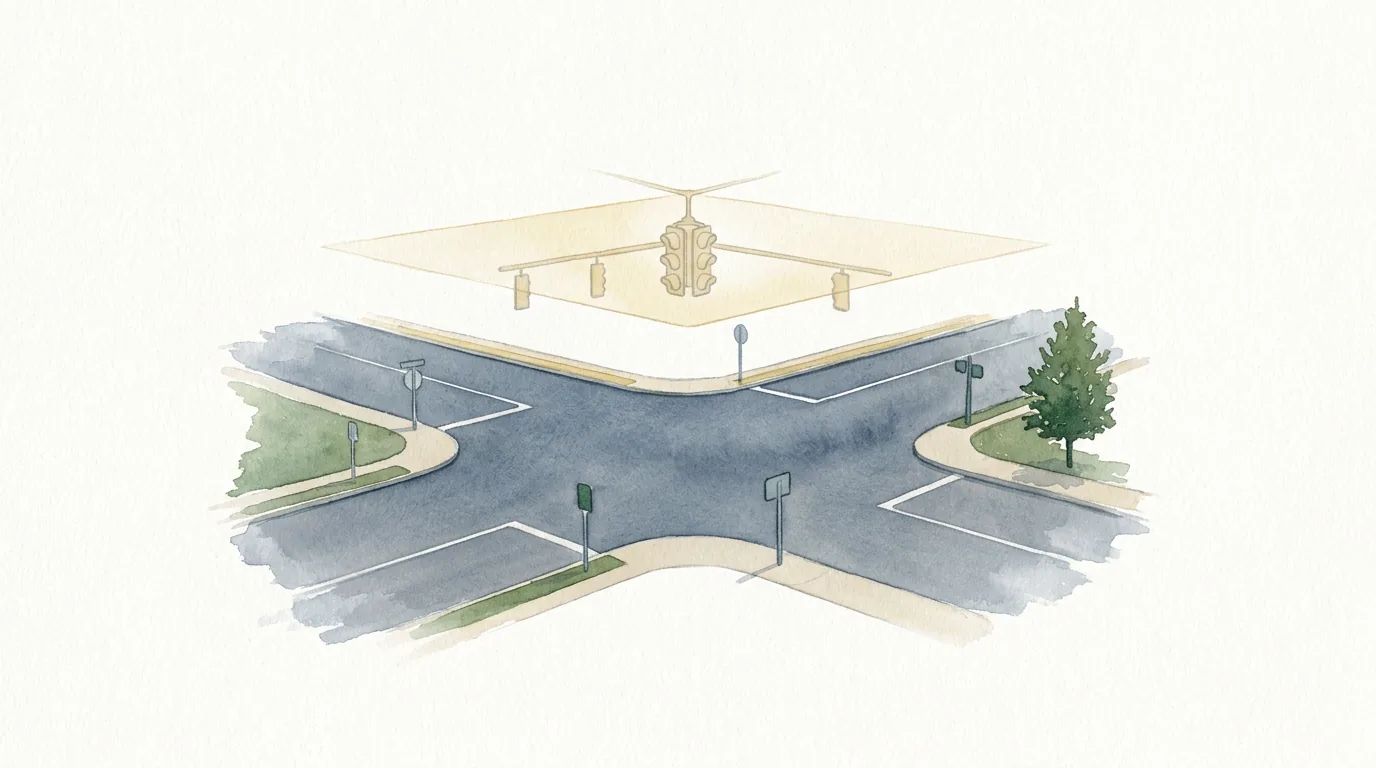
At 82nd Avenue’s Beech and Ash crossings, motor vehicles cannot turn left or travel straight across 82nd from the side street under PBOT’s described access changes. Right turns and north–south through travel along 82nd remain.
That is a restriction at two selected crossings—not a left-turn ban everywhere on 82nd Avenue. The dedicated PBOT Beech and Ash project page is the source for these movement changes. For the broader, different project, see our guide to the separate six-crossing 82nd Avenue project.
Which Movements Are Restricted—and Which Remain?
PBOT describes the following motor-vehicle access at both Beech and Ash:
| Motor-vehicle movement | Access described by PBOT |
|---|---|
| Left turn at the crossing | Not permitted |
| Straight across 82nd from the side street | Not permitted |
| Right turn | Remains |
| North–south through travel along 82nd | Remains |
This table summarizes the project’s access description. It is not a complete current navigation map or a substitute for posted signs and traffic controls.
Crossing 82nd Is Different From Traveling Along It
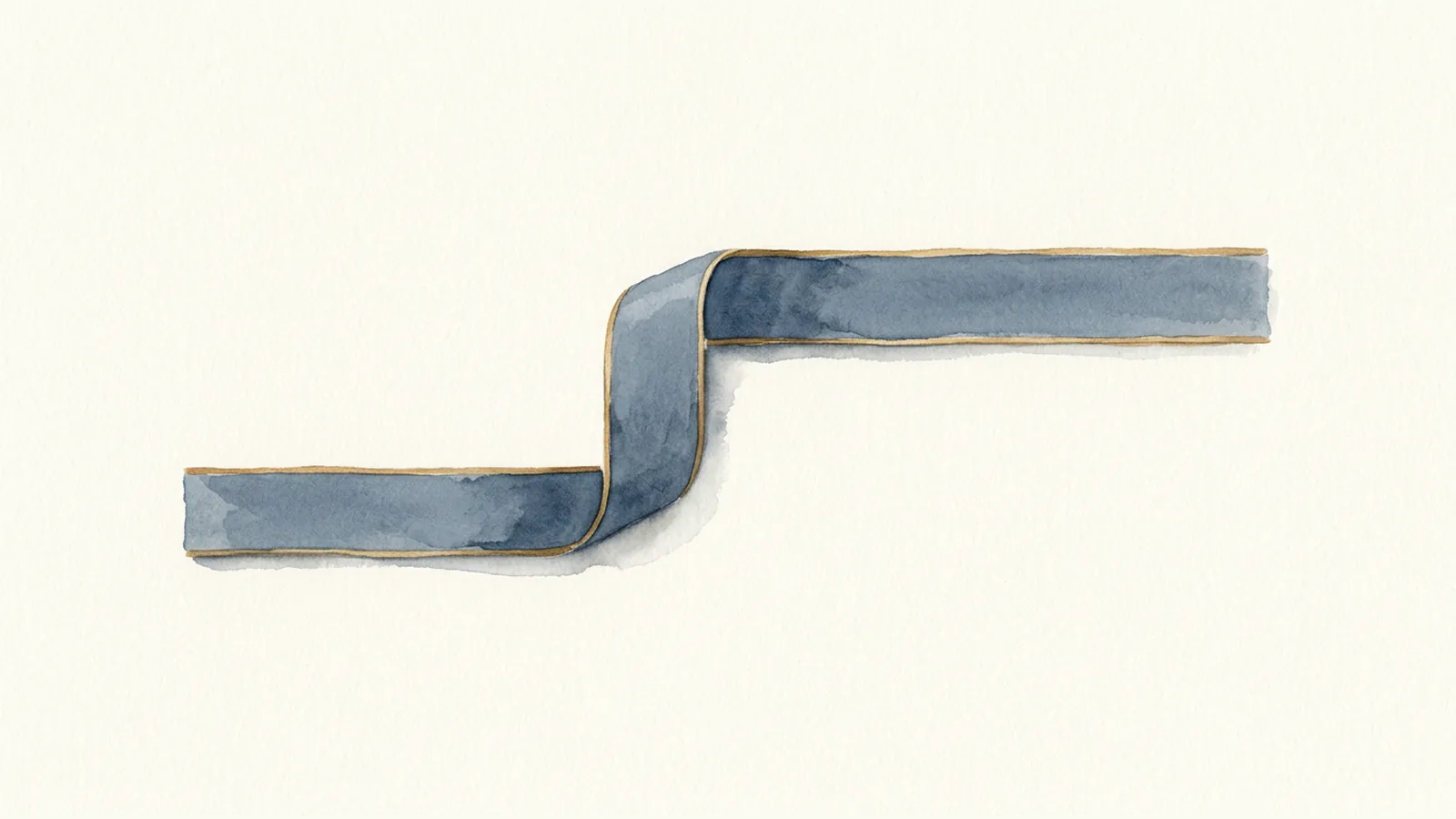
“Straight through” can mean two different things here. A driver approaching from the side street cannot continue straight across 82nd to the other side. A driver already traveling north or south on 82nd can continue along 82nd through these locations under the described design.
The side-street restriction does not close 82nd to north–south through traffic.
Motor-Vehicle Access Is Not Pedestrian Access
The prohibition on driving across 82nd is a motor-vehicle access rule. It does not mean pedestrians are prohibited from crossing. These are crossing projects with beacons, and the motor-vehicle movement table should not be read as pedestrian routing instructions.
Why Change Access at These Crossings?
In its January 31, 2024 design announcement, PBOT described a broader approach that included refuge islands restricting selected left turns and full signals separating left turns from walking and biking movements.
Those are different design tools across the corridor—not a statement that every crossing uses every feature. In particular, the Beech/Ash update describes beacons, not full traffic signals.
PBOT also described adjustments after public outreach to preserve some driveway and side-street access and address business access and neighborhood livability. The broader design effort therefore involved choices about where movements would remain, rather than one uniform restriction for the entire avenue.
That explains the design rationale; it does not establish a measured reduction in crashes at Beech or Ash.
What PBOT’s Dated Update Actually Confirms
PBOT’s March 25, 2025 Beech/Ash update reported that the beacons were operating and construction was substantially complete. The same update still identified permanent striping as work to follow.
Those details should stay together: operating beacons and substantial completion did not mean every finishing task was complete. They also do not support describing the crossings as newly completed in September 2026.
For project information, consult the Beech and Ash crossings page. Temporary construction conditions are a separate question from the access pattern explained here. This summary does not identify an alternate route or establish where a U-turn is permitted.
Source Notes
- PBOT Beech and Ash crossings project: movement restrictions and the March 25, 2025 operating-status update.
- PBOT design announcement, January 31, 2024: broader design rationale and access considerations, not proof of project completion or effectiveness.
This article provides educational information only and is not legal advice. Follow posted signs and traffic controls at the location.
Client-First Fee Promise
Client First = Bills First, Fees Second
Your unpaid medical bills do not have to make your lawyer's fee bigger. Johnson Law subtracts qualifying medical bills before calculating our fee, helping clients keep more of their settlement.
Applies to qualifying cases. Results vary.