Road Rage Crash Claims in Oregon: Why Intent Can Change Insurance Coverage
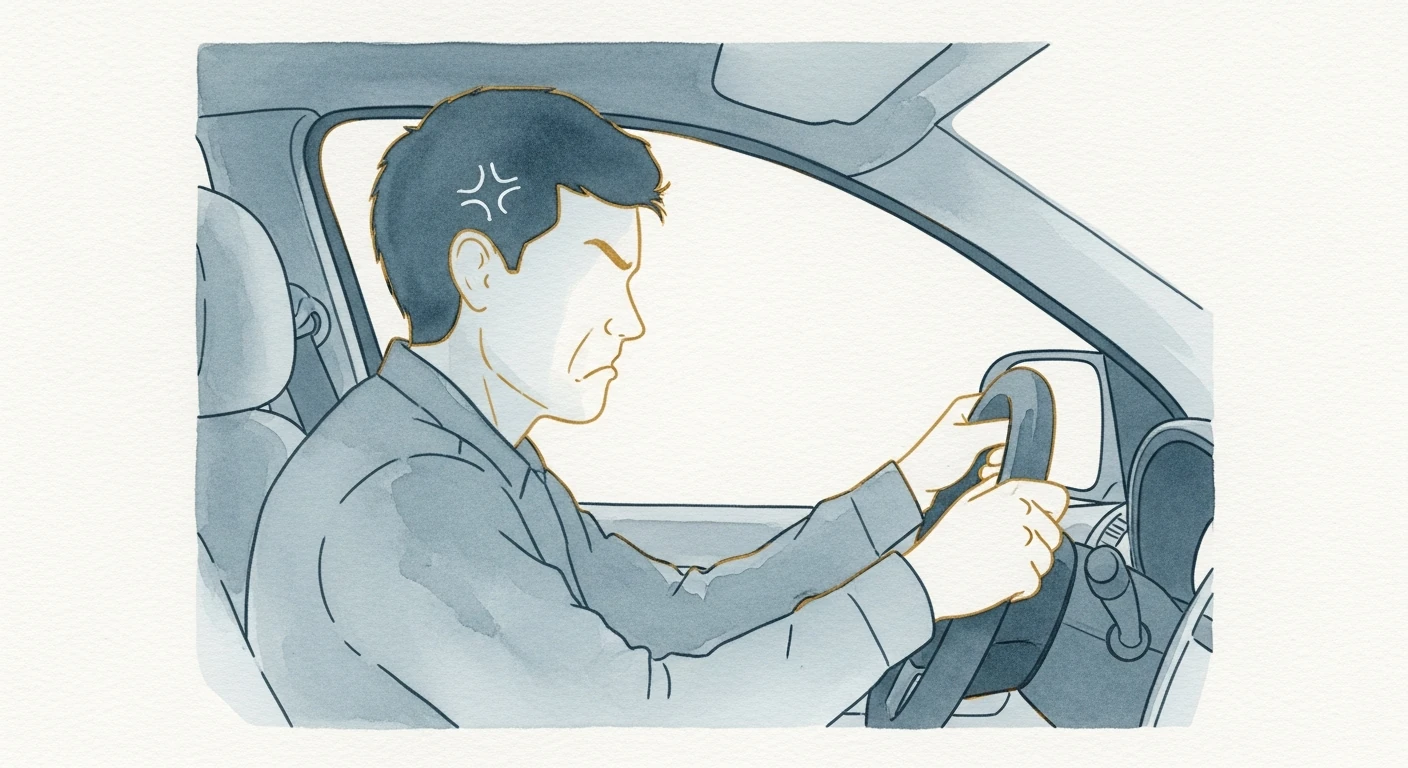
Road Rage Crash Claims in Oregon: Why Intent Can Change Insurance Coverage
Most car crashes are handled as negligence claims. A driver looked down at a phone, followed too closely, or misjudged a turn. Road rage collisions can be different.
When a driver uses a car to intimidate, strike, trap, or force another driver off the road, insurers and courts may treat that conduct as intentional rather than accidental. That distinction can decide whether a liability policy pays, whether you need to use your own UM/UIM coverage, and whether you can pursue additional damages in court.
This guide explains how these cases typically work in Oregon, what evidence matters most, and what to do if an insurance company denies coverage because it says the crash was intentional.
Quick Takeaways
- Road rage can move a claim from a routine negligence case into an intentional-act dispute.
- Liability insurers often rely on policy exclusions for expected or intentional harm.
- A denial from the at-fault insurer may push you toward your own uninsured/underinsured motorist (UM/UIM) claim.
- Oregon’s required coverages, including PIP and UM/UIM, are a critical safety net (ORS 742.520, ORS 742.502).
- Early evidence preservation—911 call, police report, witness contacts, video, and medical records—can shape the entire outcome.
Road Rage vs. Aggressive Driving: Why the Label Matters
People often use these terms interchangeably, but insurance handling can differ.
- Aggressive driving is usually traffic-law behavior like unsafe speed, tailgating, or weaving.
- Road rage typically describes escalating, hostile behavior aimed at another person.
The National Highway Traffic Safety Administration (NHTSA) emphasizes that hostile driver behavior creates severe crash risk and often includes deliberate endangerment:
From an insurance perspective, that “deliberate endangerment” language is where coverage fights begin.
Why Intent Changes Insurance Coverage
Auto insurance is built around accidental loss. Most policies cover negligent mistakes. They usually do not promise to protect a driver from the financial consequences of intentionally harming someone.
That is why many liability policies include an intentional-act exclusion. If the insurer concludes its policyholder intentionally caused injury or property damage, it may deny defense or indemnity for that event.
In practical terms:
- The at-fault driver may still be personally liable.
- Their insurer may refuse to pay under the liability section.
- You may need to pursue recovery through your own policy and/or direct civil claims.
For basic consumer background on how auto insurance coverage categories work, the National Association of Insurance Commissioners (NAIC) is a strong reference: NAIC Auto Insurance Guide.
Oregon Coverage Framework You Should Know
Even when fault is hotly disputed, Oregon law sets a baseline insurance structure.
1) Financial Responsibility Minimums
Oregon requires minimum liability limits under ORS 806.070.
2) Personal Injury Protection (PIP)
Oregon auto policies include PIP coverage requirements under ORS 742.520. PIP can help pay qualifying medical expenses and certain wage loss benefits regardless of fault, subject to policy terms and limits.
3) Uninsured/Underinsured Motorist (UM/UIM)
UM/UIM requirements and structure are governed by ORS 742.502. This coverage can become central in road rage cases if the at-fault insurer denies liability coverage or limits are inadequate.
For consumer-facing Oregon insurance guidance, see the Oregon Division of Financial Regulation: Oregon DFR Auto Insurance FAQs.
How Insurers Try to Prove (or Disprove) Intent
In a routine crash, insurers focus on fault percentages and damage values. In a road rage case, they also investigate state of mind.
Common evidence used to evaluate intent includes:
- 911 audio and dispatch notes
- Police report wording and citations/arrests
- Witness statements about threats, gestures, pursuit, or repeated maneuvers
- Dashcam, business surveillance, or traffic camera footage
- Vehicle impact patterns (for example, repeated side contact vs single evasive impact)
- Driver statements made at the scene or during recorded interviews
This creates a strange dynamic: the at-fault driver may claim “accident,” while that driver’s insurer may search for proof of intent to invoke an exclusion.
Common Patterns That Trigger Intentional-Act Disputes
Insurers and courts often scrutinize conduct like:
- Repeatedly swerving toward one specific vehicle
- Deliberately brake-checking to cause contact
- Chasing a driver across multiple streets or exits
- Blocking a vehicle so it cannot leave
- Using a vehicle to force another car toward a shoulder, curb, or median
- Exiting a vehicle to threaten or assault after hostile driving maneuvers
No single fact guarantees a denial. But the stronger the evidence of deliberate targeting, the more likely an insurer is to raise intentional-act arguments.
What Happens if the At-Fault Insurer Denies Coverage?
If you receive a denial letter citing intentional conduct, do not assume recovery is over. It usually means your strategy changes.
Step 1: Preserve the Denial Letter
The letter explains the insurer’s position and policy basis. Keep the full packet, including any cited policy language.
Step 2: Open or Expand Your First-Party Claims
Depending on your policy, you may need to use:
- PIP for qualifying injury-related costs
- Collision for vehicle repairs (if carried)
- UM/UIM for bodily injury damages where the at-fault coverage is unavailable or insufficient
Step 3: Prepare for Parallel Civil Recovery
A denial does not erase the at-fault driver’s personal exposure. Civil claims may still proceed directly against that driver.
Why UM/UIM Is So Important in Road Rage Cases
UM/UIM is often the bridge between a coverage denial and actual compensation.
In many intentional-act scenarios, the practical effect of denial is that the at-fault driver functions like an uninsured driver for your loss. That can make your UM claim central to paying ongoing damages.
What Your UM/UIM Claim Typically Requires
- Proof of the other driver’s responsibility
- Proof of your injuries and losses
- The denial or limitation documentation from the at-fault insurer
- Timely notice to your own insurer and compliance with policy procedures
Remember: your own insurer is still an insurer evaluating exposure. Submit organized records early.
Damages You May Be Able to Recover
Road rage collisions can produce the same damages as other injury cases, and sometimes additional categories depending on facts.
Economic Damages
- Emergency care, hospital bills, follow-up treatment
- Rehabilitation and therapy
- Medication and medical equipment costs
- Lost income and possible reduced earning capacity
- Property damage and related out-of-pocket costs
Non-Economic Damages
- Physical pain
- Emotional distress
- Sleep disruption, anxiety, fear while driving
- Loss of normal day-to-day activities
Punitive Damages (Case-Specific)
Where conduct is especially egregious, punitive damages may be argued under Oregon law in appropriate circumstances. These are highly fact-dependent and procedurally sensitive, so legal guidance is important before assuming availability.
Criminal Case vs. Civil Case: Both Can Matter
A road rage crash can create:
- A criminal matter (state prosecutes for offenses)
- A civil matter (injured person seeks compensation)
These tracks are separate. A criminal filing can support evidence development, but civil recovery does not automatically depend on a criminal conviction.
If a criminal case exists, obtain available public records through proper channels and coordinate strategy with counsel before using records in an insurance dispute.
What to Do Immediately After a Road Rage Collision
The first hour can materially affect your claim.
1) Get to Safety and Call 911
If possible, move to a safer, populated location. Request police and medical help.
2) Give Specific, Factual Statements
Describe behavior, not conclusions. For example: “The other driver followed me for two exits, swerved toward my lane twice, then struck my rear quarter panel.”
3) Document Everything You Can
- Photos of all vehicle damage and resting positions
- Video of the scene, road layout, and relevant signage
- License plate, vehicle make/model, and identifying details
- Names and contact information for witnesses
4) Seek Medical Evaluation Promptly
Some injuries are masked by adrenaline. Early medical records also improve claim clarity.
5) Notify Insurers Carefully
Report the collision promptly. Stick to facts and avoid speculation. Keep copies of every communication.
6) Complete Oregon Crash Reporting as Required
Review current Oregon DMV reporting instructions and thresholds: Oregon DMV Accident Reporting.
Evidence Checklist for a Stronger Claim File
Create one folder (digital + printed backup if possible) with:
- Police report number and requesting-agency details
- 911 call reference information
- All photos/videos in original format
- Witness contact list
- Repair estimates, towing, storage, rental receipts
- Complete medical records and billing summaries
- Time-loss verification from employer
- Insurer letters, emails, claim notes, and denial language
Organization is not just administrative; it can improve negotiation leverage and reduce delay.
Mistakes That Frequently Weaken Road Rage Claims
- Delaying medical care and creating treatment gaps
- Failing to secure witness contact information at the scene
- Giving broad recorded statements before key facts are collected
- Assuming a denial from the at-fault insurer ends the case
- Missing policy notice deadlines for UM/UIM claims
- Posting event commentary on social media while claims are pending
Oregon Consumers: Useful Government and Industry References
- Oregon Division of Financial Regulation – Auto Insurance FAQs
- Oregon DMV – Accident Reporting
- ORS 806.070 – Financial Responsibility
- ORS 742.520 – Personal Injury Protection (PIP)
- ORS 742.502 – UM/UIM Coverage
- NAIC – Auto Insurance Consumer Guide
- NHTSA – Risky Driving
- NHTSA – Speeding and Aggressive Driving
- FTC – Cars: Buying and Leasing
Final Takeaway
Road rage crashes are not just “regular accidents with angry drivers.” Once intent enters the analysis, insurance coverage can change quickly and dramatically.
If you are dealing with a denial based on intentional conduct, focus on three priorities: preserve evidence, activate every available first-party coverage, and build a documented claim file strong enough for negotiation or litigation. Fast, accurate documentation often makes the biggest difference in outcome.
Related Resources
Client-First Fee Promise
Client First = Bills First, Fees Second
Your unpaid medical bills do not have to make your lawyer's fee bigger. Johnson Law subtracts qualifying medical bills before calculating our fee, helping clients keep more of their settlement.
Applies to qualifying cases. Results vary.