Earl v. Campbell: Why a Scope-of-Employment Concession Does Not Bar Negligent Retention

In Washington, an employer’s concession that an employee acted within the scope of employment does not automatically bar a separate negligent-retention claim. The Washington Supreme Court clarified that point in Earl v. Campbell, No. 104495-0, filed September 3, 2026.
The actual case arose from a fatal police shooting—not a company-driver crash. Its relevance to a driving case is a possible application of the legal distinction, illustrated hypothetically below.
The court’s decision allows distinct negligent-retention and vicarious-liability claims to be maintained together despite a scope concession. It does not establish that either claim has been proved.
What Actually Happened in Earl—and What the Court Decided
The case concerned the 2016 fatal shooting of Jacqueline Salyers during an attempted arrest of a passenger. The negligent-retention theory alleged that Tacoma retained officer Aaron Joseph despite information indicating unfitness, including alleged domestic violence and employer knowledge. Those were allegations, not findings by the Supreme Court that the misconduct or knowledge had been proved.
The appeal concerned permission to amend a complaint. It was an interlocutory, pleading-stage review—not summary judgment, a completed negligence trial, or a damages award. The opinion’s footnote 4 explains that procedural posture; discovery had been reopened.
The Supreme Court held that negligent retention and vicarious liability are distinct causes of action that may proceed together even when the employer concedes the employee acted within the scope of employment. It reversed the Court of Appeals and remanded for further trial proceedings.
That result removed a categorical obstacle to the retention theory. It did not resolve whether Tacoma was negligent or owed damages.
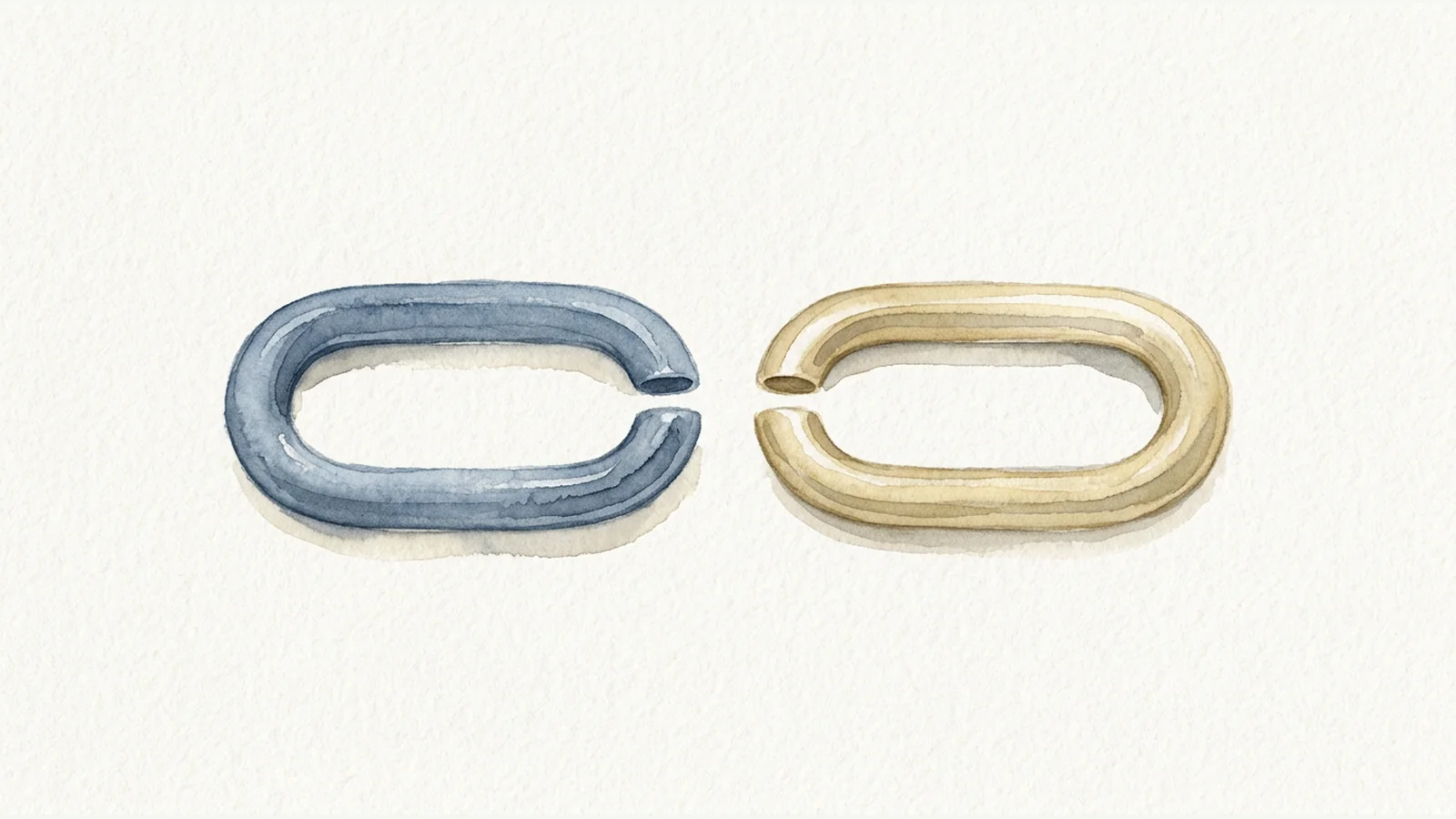
Two Theories Ask Different Questions
Vicarious Liability Looks to the Employee’s Within-Scope Tort
Vicarious liability attributes an employee’s tort committed within the scope of employment to the employer. It does not require the employer to have committed its own negligent act.
But conceding scope is not necessarily conceding the entire case. Whether the employee was negligent, whether the conduct caused the injury, and what damages resulted remain separate questions.
Negligent Retention Looks to the Employer’s Own Earlier Conduct
Negligent retention concerns the employer’s decision to retain an employee it knew was unfit, or its failure to use reasonable care to discover that unfitness. The opinion discusses a duty limited by foreseeability; an injury alone does not prove a negligent-retention claim.
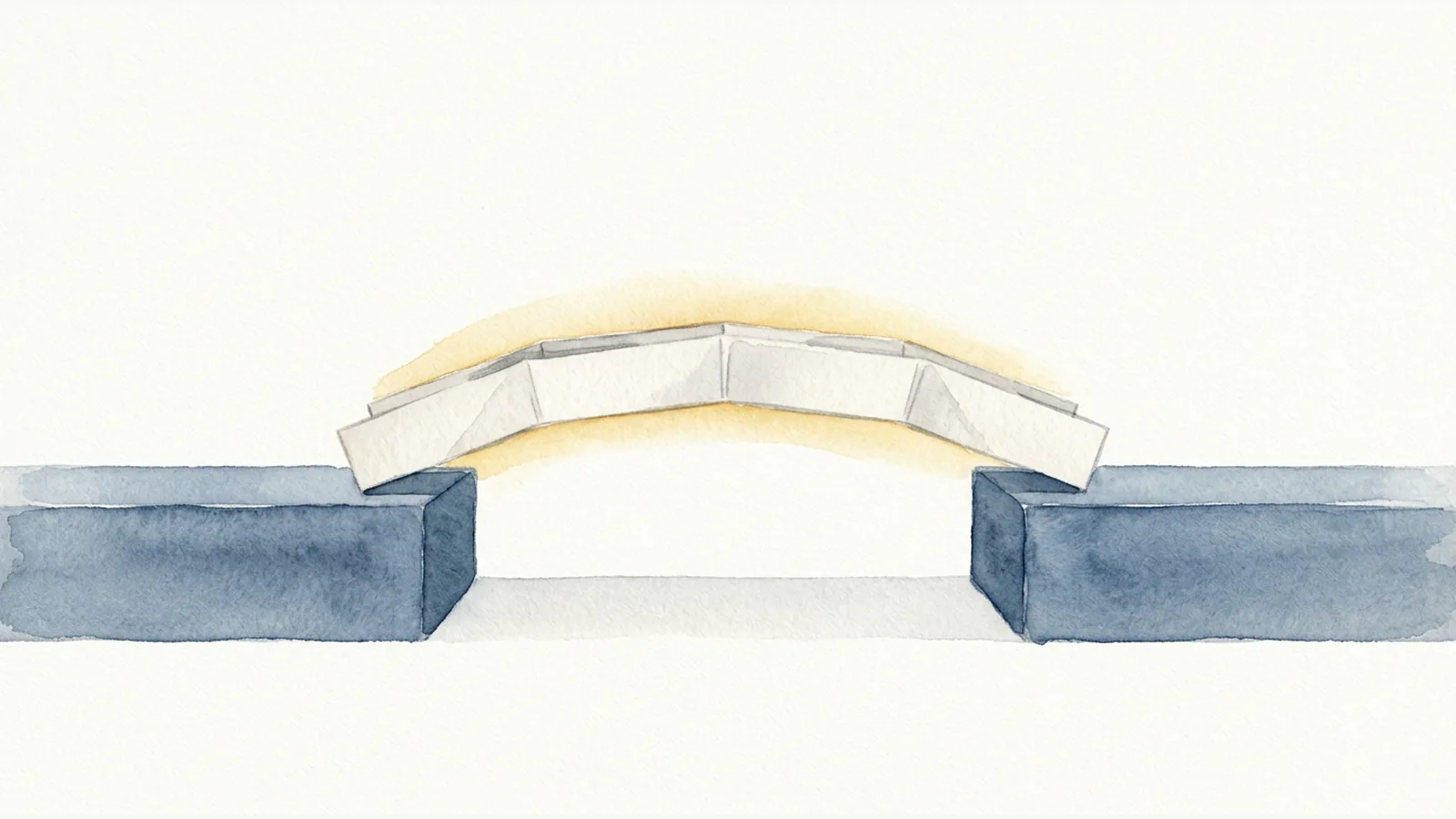
The distinction is between the employer’s earlier retention conduct and the employee’s conduct during the injury-producing event. Because these are analytically different questions, a concession about the employee’s scope of employment does not eliminate the employer’s own retention conduct from consideration.
Washington CR 8(e)(2) permits alternative and separate claims regardless of consistency. That pleading permission does not remove the need for factual proof or the obligations imposed by Rule 11.
How the Distinction Could Matter in a Company-Driver Case
Hypothetical—not the facts of Earl: Suppose a company driver is involved in a collision and the employer concedes that the driver was acting within the scope of employment.
One question would be whether the driver’s conduct supports vicarious liability. A different question could be whether evidence supports a negligent-retention claim based on the employer’s prior decision to keep an unfit driver employed.
Under Earl, the scope concession would not, by itself, categorically defeat that distinct retention theory. But the person bringing the claim would still need evidence satisfying the required elements, including known or reasonably discoverable unfitness, foreseeability, causation, and injury. Nothing in this hypothetical establishes a warning history or proves the employer liable.
That causal connection is especially important: proximate cause was not at issue in the Earl appeal, as footnote 6 states. The decision does not supply the missing connection between an employer’s retention decision and a later crash.
If the hypothetical involves a commercial truck, our separate guide to preserving trucking-company records after a serious crash addresses evidence-preservation questions. Earl itself does not guarantee access to personnel files or make their contents admissible.
What the Ruling Does Not Establish
The decision has several important boundaries:
- It is not a ruling preserving every employer-negligence theory. The holding concerns negligent retention. Hiring, training, supervision, and entrustment theories require their own authority and analysis.
- It does not automatically open personnel files or admit prior accusations into evidence. Evidence and jury-instruction questions remained for further proceedings, subject to applicable rules.
- It is not a negligence verdict or causation finding. Permission to pursue a claim is different from proving it.
- It does not permit two recoveries for the same harm. Distinct theories do not double compensation. The opinion identifies jury instructions, special verdicts, and posttrial motions as ways to prevent double recovery.
The court overruled contrary Court of Appeals decisions only insofar as they held or implied that negligent retention was unavailable when the employee acted within the scope of employment. It did not erase every part of those decisions or overrule Niece.
The practical takeaway is narrow but meaningful: in Washington, a scope-of-employment concession does not necessarily end the inquiry into the employer’s own retention conduct. Whether that inquiry supports a viable claim still depends on the evidence and the legal elements—not simply on the occurrence of an injury.
Source Notes
- Earl v. Campbell, Washington Supreme Court No. 104495-0, September 3, 2026: actual facts and allegations, negligent-retention holding, limited overruling, procedural posture in footnote 4, causation limitation in footnote 6, and limits on evidence and recovery.
- Washington CR 8(e)(2): alternative and separate pleading.
This article provides educational information about Washington law only and is not legal advice. Any company-driver example above is hypothetical, and individual claims require case-specific analysis.
Client-First Fee Promise
Client First = Bills First, Fees Second
Your unpaid medical bills do not have to make your lawyer's fee bigger. Johnson Law subtracts qualifying medical bills before calculating our fee, helping clients keep more of their settlement.
Applies to qualifying cases. Results vary.