Washington Car-Accident Lawsuits: Why Filing Alone May Not Satisfy the 90-Day Rule
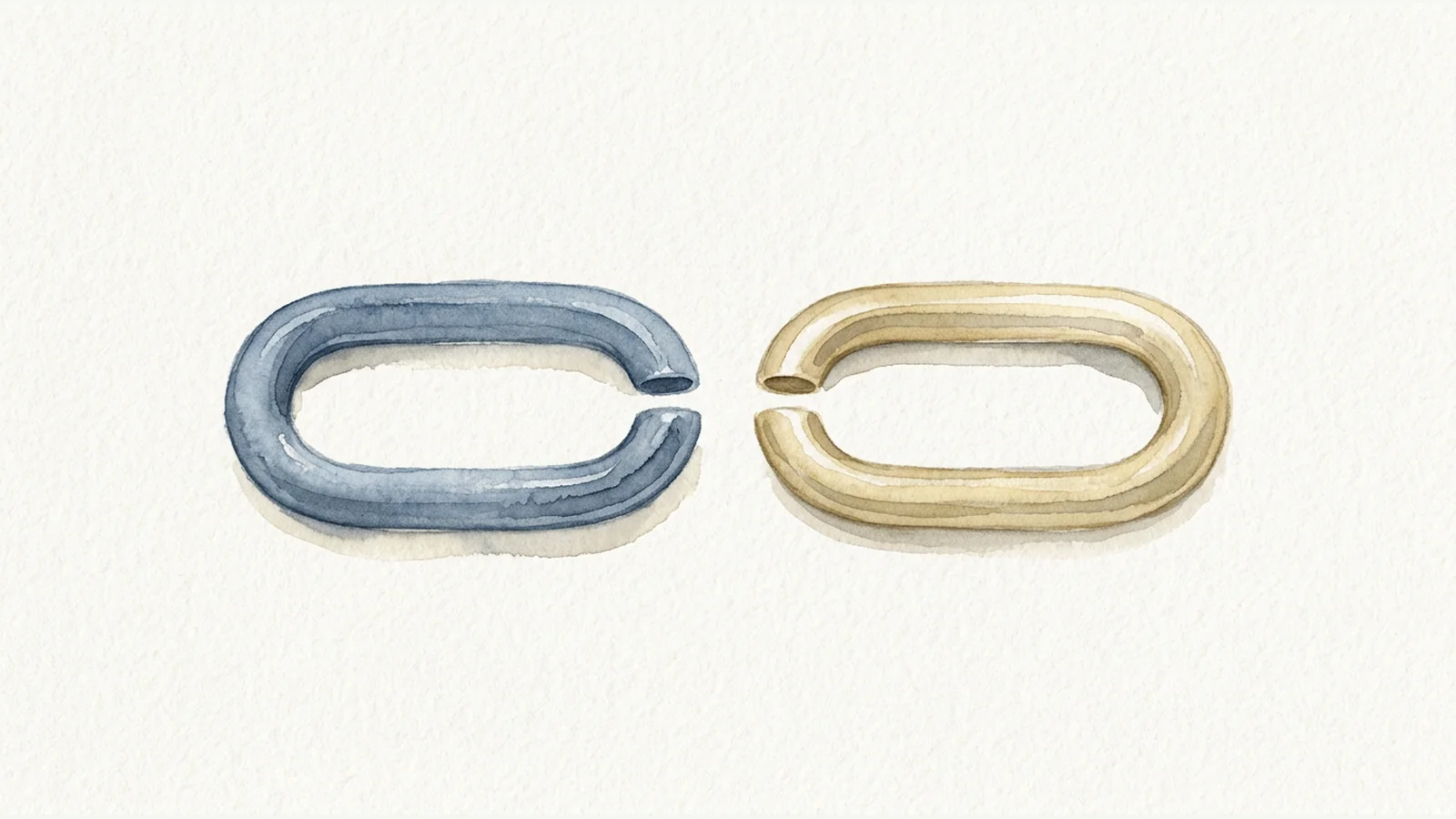
Filing a Washington car-accident lawsuit on time may be only the first step in protecting a claim from the statute of limitations. Under RCW 4.16.170, the protection associated with filing or personal service depends on the required follow-through.
Ordinary negligence personal-injury claims generally have a three-year limitations period under RCW 4.16.080(2). But claim type, accrual, tolling, and other circumstances can change the analysis. The 90-day rule is not an automatic “three years plus 90 days” deadline and does not revive an already-barred claim.
For Washington superior-court cases, keep these distinctions in view:
- Filing first generally requires personal service on one or more defendants, or the start of legally authorized publication, within 90 days of the actual filing.
- Personal service first requires filing the summons and complaint within 90 days; a separate written-demand rule can require filing sooner.
- A service attempt, insurer notice, or knowledge of the lawsuit does not by itself establish effective service.
- Serving one named defendant can matter for other named defendants, but it is not indefinite protection for everyone.
What starts the 90-day period?
If the complaint is filed first
RCW 4.16.170 requires personal service on one or more defendants, or commencement of legally authorized service by publication, within 90 days from filing the complaint.
The trigger is the actual filing date—not the crash anniversary or the date the ordinary limitations period would otherwise expire. Publication is available only when its separate legal requirements are met; it is not an interchangeable fallback whenever personal service proves difficult.
If personal service happens first
For the service-first sequence, the summons and complaint must be filed within 90 days after personal service. The summons and complaint must be served together under CR 3 and CR 4.
There is also a shorter written-demand requirement. Under CR 3, after service of a qualifying written demand to file, the service-first plaintiff must pay the filing fee and file the summons and complaint within 14 days. Otherwise, the service becomes void. The 90-day statute does not override that requirement.
Publication cannot be used to start a lawsuit before filing the complaint. RCW 4.28.110 expressly bars publication before filing.
| First step | Required follow-through for the statutory sequence |
|---|---|
| Complaint filed first | Personally serve one or more defendants, or actually begin legally authorized publication, within 90 days of filing. |
| Personal service first | File the summons and complaint within 90 days of service, while also complying with any shorter CR 3 written-demand requirement. |
This comparison describes conditional limitations protection. It does not decide whether service was valid, whether a court has jurisdiction over a particular defendant, or whether an individual claim is timely.
Why this is not “three years plus 90 days”
RCW 4.16.170 links two steps. When the timely first step is followed by the required second step, the first can establish commencement for limitations purposes. If the required follow-through does not occur, the statute says the action is deemed not commenced for tolling purposes.
That makes two shortcuts unsafe:
- “I filed, so the deadline is permanently stopped.” Filing alone may not preserve that protection.
- “Every claimant gets another 90 days after three years.” The rule is conditional, and its clock follows the actual filing or service event—not an automatic addition to a general deadline.
Failure to satisfy the sequence can be decisive if the underlying limitations period has expired. It does not necessarily mean a claim is permanently barred if that underlying period remains open. The consequence requires prompt case-specific review, not a guess based on the general three-year rule.
Notice, attempted service, and proof of service are different
Hiring a process server is not the same as completing service. Neither are unsuccessful visits, sending a complaint alone, continuing insurance negotiations, or telling an adjuster that a lawsuit has been filed.
CR 4 requires service of the summons and complaint together and imposes requirements on who may serve them. The authorized method and recipient also matter. In Weiss v. Glemp, 127 Wn.2d 726 (1995), the Washington Supreme Court rejected the idea that actual notice could replace the required statutory service.
An insurer’s awareness is therefore not, by itself, service on the driver. Whether someone has authority to accept service or whether an objection has been waived is a separate question; it would also be too broad to say an insurer can never have relevant authority.
Proof of service is distinct from service itself. CR 4(g)(7) says failure to make proof does not invalidate otherwise valid service. Conversely, an affidavit describing an ineffective delivery does not turn it into effective service. A missing affidavit is not automatic proof of invalidity, and an affidavit’s existence is not the end of the inquiry.
What if more than one defendant is named?
RCW 4.16.170 refers to service on “one or more” defendants. In Sidis v. Brodie/Dohrmann, 117 Wn.2d 325, 329–32 (1991), the court explained that timely service on one named defendant can toll limitations for other named defendants.
It is therefore inaccurate to say that every named defendant must always be served within the initial 90 days. But the qualification is equally important: this does not provide indefinite protection or extend automatically to every defendant someone might later add. The action must be pursued timely, each defendant must be served before proceeding against that defendant, and dismissal of the served defendant can jeopardize claims against unserved defendants.
The status of each named defendant needs attention. “Someone was served” is not a complete assessment of the case.
An out-of-state or hard-to-find driver requires more than a workaround
The motorist substituted-service statute has specific conditions
RCW 46.64.040 provides a Secretary of State service mechanism for qualifying nonresident motorists and certain residents who cannot be found after a due and diligent search. An Oregon address alone does not establish that the statute applies; the statute’s accident and highway connections and other conditions matter.
Delivery to the Secretary of State alone is not full compliance. The plaintiff’s notice, mailing, affidavit, and other statutory obligations must also be addressed under the applicable provisions.
Martin v. Triol, 121 Wn.2d 135, 148–50 (1993), supports the narrow point that proper substituted motorist service can qualify as personal service under RCW 4.16.170 within the 90-day period following timely filing, even if the ordinary three-year period has meanwhile passed. That is not permission to skip statutory steps. The current statute, including its 2025 changes, must be reviewed rather than relying solely on an older case’s statutory description.
Publication requires legal grounds—and an actual timely start
RCW 4.28.100 requires an authorized ground and supporting requirements for service by publication. Several failed visits do not, by themselves, establish a ground or prove concealment.
The car-crash decision Clark v. Falling, 92 Wn. App. 805 (1998), illustrates another important distinction: an order authorizing publication is not the actual start of publication. The first publication must occur within the applicable 90-day period; arranging it or obtaining permission alone is insufficient.
Under RCW 4.28.110, publication occurs once a week for six consecutive weeks, with service completed at the expiration of that period. Timely commencement and proper completion are separate requirements. It would be inaccurate to say the entire publication period always must finish within the initial 90 days. It is also inaccurate to suggest publication can precede filing the complaint.
These are technical service methods, not do-it-yourself shortcuts around a difficult deadline.
What to clarify promptly with your lawyer
Useful questions focus on what actually happened, not what was planned:
- Was filing or personal service the first step, and when did it occur?
- Were the required documents served through a legally effective method?
- Which named defendants remain unserved?
- Has a CR 3 written demand to file been served?
- If an alternative method is being considered, is it legally available, and have its requirements been satisfied?
Share existing filing records, summons and complaint copies, service records, and written demands for review. These materials can help identify the issue; no article or document checklist can certify that a particular claim is timely.
Commencement is also not the entire lawsuit schedule. For the local process after the opening steps, see our guide to Clark County Superior Court lawsuit stages. Its local scheduling discussion should not be confused with the statewide limitations rule explained here.
For the broader process beyond service, see our guide to Washington injury-claim and settlement stages.
If you are unsure whether filing and service have been completed properly, seek prompt case-specific legal advice rather than waiting for insurance negotiations to resolve the question. Johnson Law can discuss the circumstances without promising that a deadline problem can be cured.
Frequently asked questions
Does filing before the three-year deadline automatically protect my claim?
Not necessarily. The applicable deadline first needs to be identified, and the required service follow-through must be satisfied. A timely complaint alone may not preserve limitations protection.
Does the 90 days run from the crash anniversary?
No. In the filing-first sequence, it runs from the actual complaint filing. The service-first sequence uses the service event, subject to the separate CR 3 demand requirement.
Does telling the insurance adjuster count as serving the driver?
Notice alone does not. Legally authorized acceptance of service or waiver presents a separate issue that needs review; an adjuster’s knowledge by itself is not enough.
Must every named defendant be served within the first 90 days?
Not always. Under Sidis, timely service on one named defendant can toll limitations for other named defendants. That protection is qualified, not indefinite, and does not eliminate the need to serve each defendant before proceeding against them.
Is permission to publish enough to meet the 90-day rule?
No. Clark requires an actual timely start of legally authorized publication, followed by compliance with completion requirements. Publication cannot begin before the complaint is filed.
Does missing the follow-through always mean the claim is over?
It can defeat conditional tolling. Whether a claim is then barred depends on the underlying limitations period and the facts. Obtain prompt review rather than assuming either that the claim is lost or that a rescue option exists.
Educational disclaimer: This article provides educational information only about Washington superior-court procedure. It is not legal advice, does not create an attorney-client relationship, and does not calculate an individual deadline. Filing, service, jurisdiction, and limitations issues require case-specific analysis. No outcome is guaranteed.
Source notes
- RCW 4.16.170 and RCW 4.16.080(2) — conditional limitations commencement and the ordinary-negligence baseline.
- CR 3 and CR 4 — filing, service, the written-demand requirement, and proof of service.
- Weiss and Sidis, linked in the relevant sections — actual notice versus statutory service and the qualified multiple-defendant rule.
- RCW 46.64.040 and Martin, linked above — motorist substituted service and its limited relationship to the 90-day rule.
- RCW 4.28.100, RCW 4.28.110, and Clark, linked above — publication grounds, the filing prerequisite, actual commencement, and completion.
The linked cases are primary opinion texts reproduced by legal publishers, not summaries. This article is not a comprehensive review of all exceptions or later case treatment.
Client-First Fee Promise
Client First = Bills First, Fees Second
Your unpaid medical bills do not have to make your lawyer's fee bigger. Johnson Law subtracts qualifying medical bills before calculating our fee, helping clients keep more of their settlement.
Applies to qualifying cases. Results vary.