Delivery Driver Hurt on Someone Else’s Property: Workers’ Comp Plus Premises Liability in One Case
Delivery Driver Hurt on Someone Else’s Property: Workers’ Comp Plus Premises Liability in One Case
If you were hurt while making a delivery in Oregon, the claim may not fit into just one box.
A delivery driver who slips in a Portland grocery store entrance, falls on an apartment-complex stairway, is hurt at a loading dock, or trips in a customer-controlled delivery area may have a workers’ compensation claim because the injury happened during work. In some cases, the same incident may also support a separate third-party premises-liability claim against a property owner, tenant, manager, contractor, or customer.
That does not mean every delivery-site injury creates two claims. Workers’ compensation and premises liability ask different questions, use different proof, and must be coordinated carefully. This article is Oregon-focused and is for educational information only, not legal advice.
The Short Answer: It May Be Both Workers’ Comp and a Third-Party Property Claim
In Oregon, a work injury may be compensable under workers’ compensation if it is an accidental injury that arises out of and in the course of employment, requires medical services, or results in disability or death, and is supported by required medical evidence and objective findings.
Separately, Oregon law allows an injured worker, or certain beneficiaries if death results, to seek a remedy against a negligent or wrongful “third person” who is not in the same employ. That is the opening for a possible property claim when the hazard was controlled by someone other than the driver’s employer.
So the practical answer is:
- Workers’ comp may apply because the driver was working when hurt.
- A premises-liability claim may also apply if a third person not in the same employ caused the injury through negligence or wrongful conduct.
- The two claims are coordinated, including election, notice, lien, and reimbursement rules.
- The facts matter: injury on someone else’s property is not enough by itself.
For a broader explanation of how these claims interact at settlement, see Johnson Law’s resource on workers’ comp and third-party settlement reimbursement.
Why Delivery-Site Injuries Are Different From Injuries at Your Employer’s Workplace
Oregon workers’ compensation law generally makes a covered employer’s workers’ compensation responsibility the exclusive remedy for work injuries arising out of and in the course of employment. That employer-side rule is important, but it is not the same thing as immunity for every other person or business involved in the incident.
Delivery drivers often work on property their employer does not own or control, such as:
- a store sales floor or stockroom entrance;
- a restaurant pickup area;
- a loading dock;
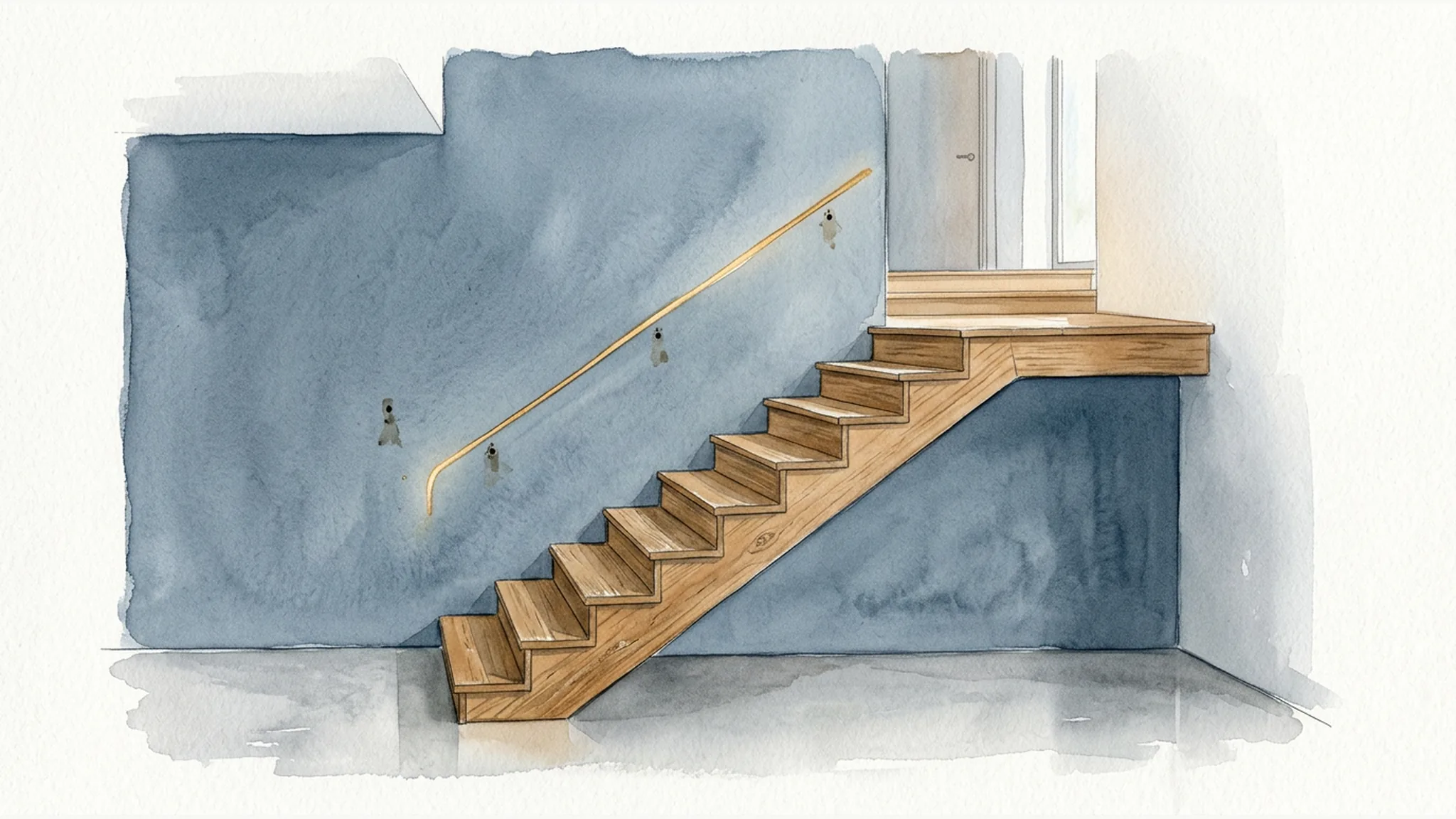
- an apartment lobby, walkway, or stairwell;
- a customer’s driveway or delivery path;
- a warehouse, office, or jobsite controlled by another company.
That is why a delivery injury may require two separate analyses: one focused on work status and benefits, and another focused on the property condition and the conduct of the non-employer.
The Employer Claim: Workers’ Compensation Benefits
The workers’ compensation claim focuses on whether the injury arose out of and in the course of employment and meets Oregon’s compensability requirements. “Compensation” under Oregon workers’ compensation includes benefits such as medical services and other benefits provided for a compensable injury.
For a delivery driver, this may include medical care and, when the rules are met, disability or time-loss benefits. Oregon’s Workers’ Compensation Division states that time-loss payments generally depend on a doctor authorizing time off work or modified/light-duty work that causes lost wages. The timing of first payments and the first-three-days rule have exceptions, so injured workers should read claim documents carefully and avoid assuming every missed day will be paid the same way.
The Property Claim: Premises Liability Against a Third Party
The premises claim is different. It is not enough to say, “I was hurt at the customer’s property.” The question is whether a property owner, tenant, manager, contractor, or other non-employer failed to use reasonable care in connection with an unreasonably dangerous condition.
Oregon premises cases commonly focus on issues such as:
- who controlled the area;
- what the dangerous condition was;
- whether the defendant created the hazard;
- whether the defendant knew about it;
- whether the condition existed long enough that the defendant should have discovered and addressed it;
- whether the driver’s injury was caused by that condition.
That is why a delivery driver’s case may depend heavily on evidence gathered soon after the incident.
What Workers’ Compensation Can Do After a Delivery Injury
Workers’ compensation is often the first track that needs attention because it can affect medical care, time-loss benefits, claim acceptance or denial, and deadlines.
Report the Injury and Start the Claim Promptly
Oregon law requires a worker or beneficiary to give notice of an accident resulting in injury or death to the employer immediately and no later than 90 days after the accident, subject to statutory exceptions. Late notice may be excused in certain circumstances, including employer knowledge, death within 180 days, or good cause if notice is given within one year.
Oregon’s Workers’ Compensation Division tells injured workers to:
- tell the employer about the work-related injury right away;
- complete Form 801 and give it to the employer;
- tell the doctor the injury is work-related;
- complete Form 827 with the health care provider.
This matters even when the accident happened away from the employer’s own premises. Oregon administrative rules require a subject employer to accept notice of a workers’ compensation claim from the worker or the worker’s attorney, and an employer generally must report a claim to its insurer within the required time after notice or knowledge of a claim or accident that may result in a compensable injury.
Medical Care, Time-Loss, and Claim Decisions
After a claim is started, the workers’ compensation insurer or self-insured employer must make a claim decision. Oregon law requires written notice of acceptance or denial within 60 days after the employer has notice or knowledge of the claim.
If a claim is denied, Oregon’s worker guide says the insurer issues a denial letter, time-loss payments stop, and the worker has 60 days—or up to 180 days with cause—to appeal the denial. The actual denial notice is important and should be read promptly because claim-specific appeal rights and deadlines may control.
When the Property Owner, Tenant, or Manager May Be Responsible
A premises-liability claim is about proof. The fact that a delivery driver was hurt at a store, apartment complex, or loading dock does not automatically make the property owner responsible.
The Hazard Usually Must Be More Than “I Fell There”
Oregon premises-liability decisions have described a property possessor’s duty to invitees in terms of reasonable care and unreasonably dangerous conditions. In general, liability may depend on whether the possessor knew or should have discovered the condition, should have realized it involved an unreasonable risk, should have expected that entrants would not discover or protect themselves from it, and failed to use reasonable care.
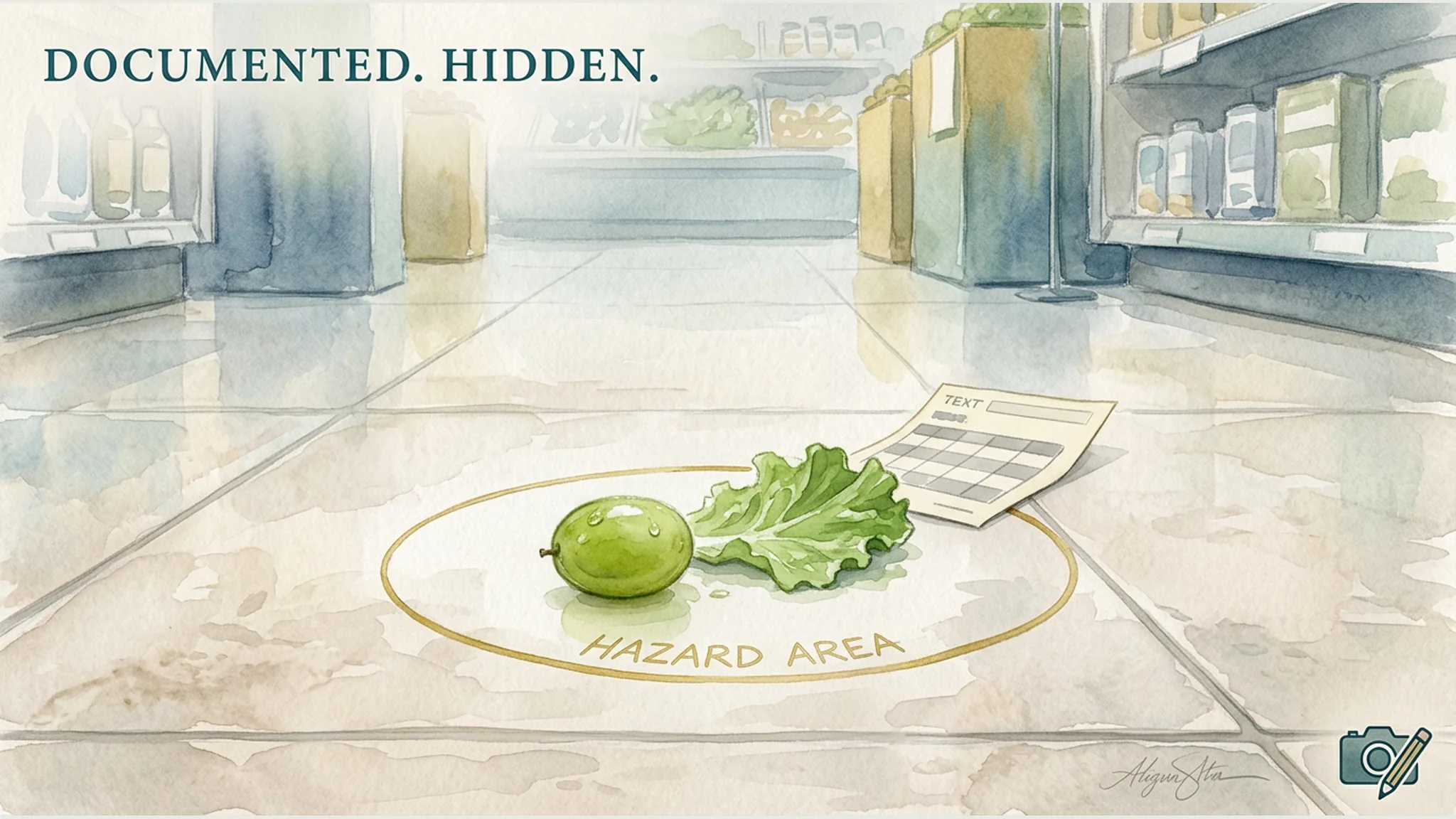
For slip-and-fall claims involving a foreign substance on business property, Oregon cases have required evidence that the defendant placed the substance there, knew it was there and failed to use reasonable diligence to remove it, or that it had been there long enough that the defendant should have discovered and removed it through reasonable diligence.
That proof can be difficult. Oregon courts have also rejected premises claims where the plaintiff lacked evidence that the property operator knew or should have known of the danger.
Examples of Evidence That Can Matter
Evidence that often matters in a delivery-site injury includes:
- photos or video of the hazard;
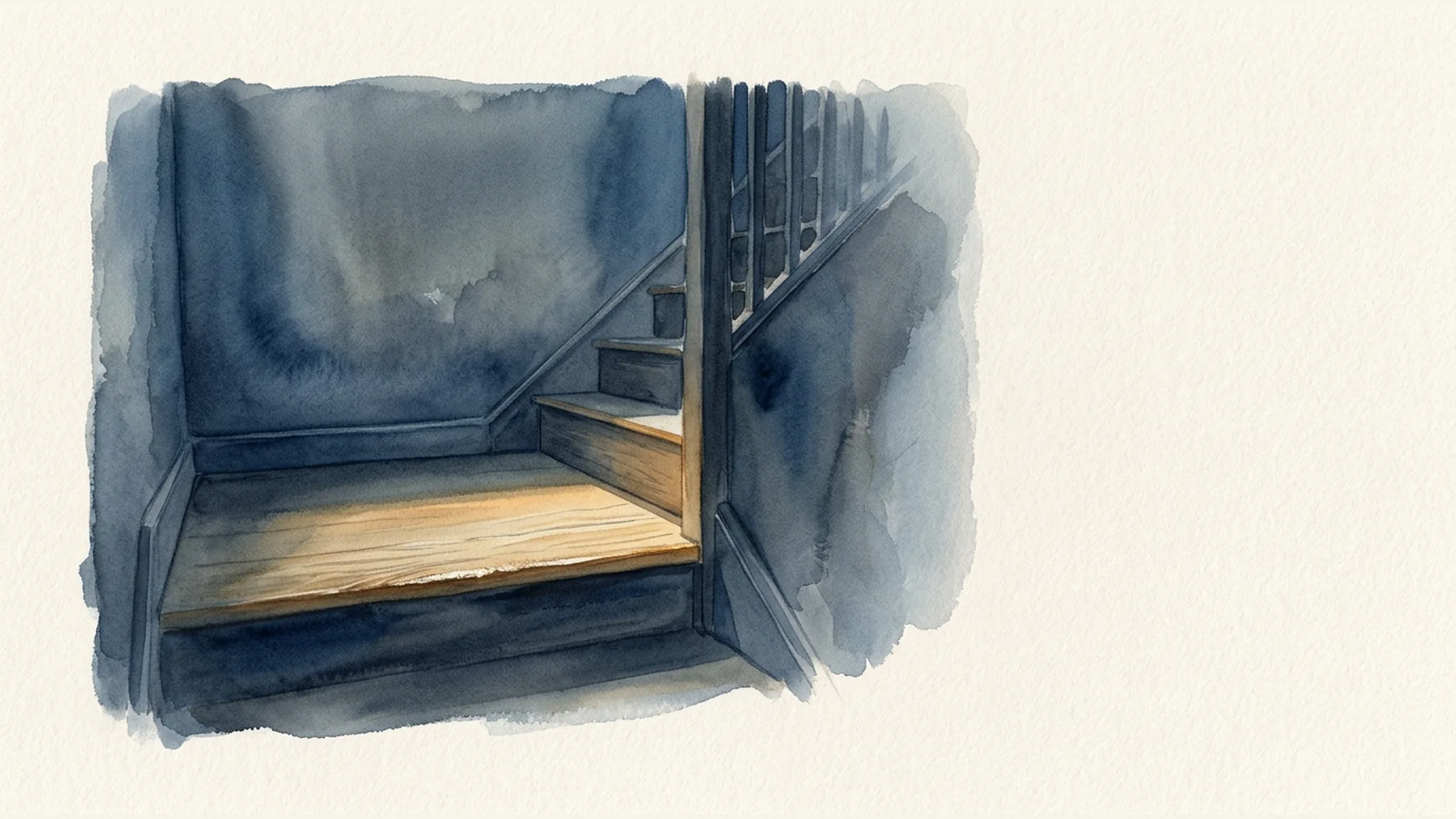
- photos of lighting, weather, floor mats, stairs, ramps, dock plates, or walkway conditions;
- incident reports;
- witness names and contact information;
- surveillance video preservation requests;
- prior complaints or prior incidents, if they can be identified;
- maintenance or inspection information;
- delivery app, route, order, dispatch, or timestamp records;
- information about who owned, leased, managed, maintained, or controlled the area.
This is not an exhaustive checklist. The useful evidence depends on the type of hazard and who controlled it.
What If the Hazard Was Obvious?
Oregon law does not support a simple rule that an “open and obvious” hazard always defeats a claim or never matters.
Driver awareness can affect the case. It may matter to duty, breach, causation, and comparative fault. Oregon’s comparative-negligence statute provides that contributory negligence does not bar recovery if the claimant’s fault was not greater than the combined fault of specified others, but damages are reduced by the claimant’s percentage of fault.
In plain English: if the property owner says, “You should have seen it,” that may be an important defense. But it still needs to be analyzed under the specific facts.
How the Two Claims Affect Each Other
Workers’ comp and a third-party premises case are separate tracks, but they are not completely separate pools of money.
Third-Party Election and Notice
Oregon law requires a worker or beneficiaries who elect to recover damages from a third person to give notice of that election to the paying agency by the statutory methods. If the worker elects not to proceed against the third person, Oregon law provides that the election can operate as an assignment of the cause of action to the paying agency.
These rules can have significant consequences. A delivery driver should avoid treating the premises case as something that can be handled without regard to the workers’ compensation claim.
Liens, Reimbursement, and “No Double Recovery”
Oregon’s third-party recovery rules also address how proceeds are distributed. Under ORS 656.593, third-party recovery proceeds are generally distributed by:
- paying costs and attorney fees;
- ensuring the worker or beneficiaries receive at least 33-1/3 percent of the balance;
- reimbursing the paying agency up to its statutory expenditures and the present value of reasonably expected future expenditures;
- paying any remaining balance to the worker or beneficiaries.
The exact calculation is case-specific. It depends on claim payments, future exposure, fees, costs, and settlement structure. The key point is that workers’ comp benefits and civil recovery must be coordinated; the worker generally cannot treat both tracks as unrelated payouts for the same losses.
Workers’ Comp Benefits Are Not Evidence in the Civil Case
Oregon law also provides that workers’ compensation benefits paid or payable are not to be pleaded or admitted as evidence in the third-party action. That means the civil premises case and the workers’ compensation claim are legally distinct in important ways, even though they must be coordinated behind the scenes.
Deadlines and Status Questions Delivery Drivers Should Not Ignore
Delivery-driver injury cases can involve multiple deadlines at the same time. Missing one can affect rights even if another part of the claim is still moving.
Workers’ Comp Notice and Denial Deadlines
For workers’ compensation, the injured worker should give notice to the employer right away and generally no later than 90 days after the accident, subject to statutory exceptions.
If the claim is denied, the denial notice should be read immediately. Oregon’s worker guide describes a 60-day appeal period, with up to 180 days with cause, but the actual notice and current law should be checked carefully.
Personal-Injury and Wrongful-Death Deadlines
Oregon personal-injury actions for injury to the person or rights of another not arising on contract and not otherwise specially enumerated generally must be commenced within two years. Premises-liability claims often start with that two-year framework.
But two years is not universal. Public-body claims, construction or repose issues, contract issues, federal or tribal property, maritime or railroad settings, and other special circumstances can change the deadline analysis.
For fatal delivery-site injuries, Oregon wrongful-death actions are brought by the decedent’s personal representative for statutory beneficiaries and are subject to the time limits in ORS 30.020, including an outside limit of three years after death. Special rules may still apply in particular cases.
Employee, Contractor, Gig Driver, or Misclassified Worker?
Worker status can affect workers’ compensation coverage. Oregon’s independent-contractor definition for ORS Chapter 656 includes, among other things, freedom from direction and control over the means and manner of providing services and being customarily engaged in an independently established business.
Labels such as “gig worker,” “contractor,” “1099,” or “employee” do not necessarily answer every Oregon coverage question by themselves. App-based delivery, subcontracted courier work, leased-employee arrangements, and potential misclassification can require fact-specific analysis.
Practical Steps After a Delivery Fall or Site Injury in Oregon
After a delivery-site injury, practical documentation can matter for both tracks.
Consider these steps:
- Report the injury to your employer promptly. Do this even if the property belonged to a customer, store, apartment complex, or another business.
- Get medical care and explain that the injury happened while working. Oregon’s WCD guidance tells workers to tell the doctor the injury is work-related.
- Complete the workers’ comp forms. WCD identifies Form 801 with the employer and Form 827 with the health care provider.
- Document the property hazard. If safe, take photos of the spill, ice, broken stair, poor lighting, dock condition, ramp, mat, obstruction, or other hazard.
- Identify witnesses. This may include employees, residents, customers, security staff, other drivers, or coworkers.
- Ask that video be preserved. Many stores, apartments, warehouses, and loading areas have surveillance systems with limited retention periods.
- Save delivery records. Keep order information, route details, timestamps, app screenshots, dispatch records, and communications.
- Track every notice and deadline. Save letters from the workers’ compensation insurer, property insurer, employer, or any government entity.
- Identify who controlled the area. Ownership, leasing, management, maintenance, and customer control may all matter.
These are general educational steps, not legal advice for a specific claim.
When to Talk With an Oregon Injury Lawyer
Legal help may be especially important when:
- a non-employer controlled the hazard;
- the workers’ comp insurer denies or limits benefits;
- the property owner disputes notice, control, or responsibility;
- the driver is blamed for not seeing the hazard;
- worker status is disputed;
- the location involved a public body, federal property, tribal property, maritime dock, railroad property, or another special setting;
- the injury is serious or fatal;
- settlement discussions raise workers’ comp lien and reimbursement issues.
Johnson Law has additional resources on why employer claims are different from third-party claims and workplace slip-and-fall claims involving a vendor. For Portland-area premises-liability help, you can also review Johnson Law’s Portland slip-and-fall lawyer page.
Bottom Line
An Oregon delivery driver hurt on someone else’s property may need two coordinated analyses:
- Workers’ compensation for the work-related injury; and
- premises liability for a possible claim against a non-employer who controlled, created, knew about, or should have addressed a dangerous property condition.
Useful early steps often include prompt reporting, medical documentation, preservation of property evidence, and careful attention to deadlines. Because the rules can overlap, and because third-party recoveries may be subject to workers’ compensation lien and reimbursement rules, it can be risky to treat these cases as “just comp” or “just a slip-and-fall” without looking closely at the facts.
This article provides general educational information about Oregon law. It is not legal advice and does not create an attorney-client relationship.
FAQ
Can I get workers’ comp if I was hurt at a customer’s property?
Possibly. In Oregon, the key workers’ compensation question is whether the injury is compensable because it arose out of and in the course of employment, subject to medical evidence and statutory limits. The fact that the accident happened away from your employer’s property does not automatically prevent a workers’ compensation claim.
Can I sue the property owner if workers’ comp is already paying benefits?
Possibly. Oregon law allows certain claims against a negligent or wrongful third person who is not in the same employ. If a non-employer property owner, tenant, manager, contractor, or customer caused or failed to address the hazard, a separate premises-liability claim may exist. The two tracks must be coordinated with workers’ compensation election, lien, and reimbursement rules.
Does my employer’s workers’ comp protection also protect the store or apartment complex where I fell?
Not automatically. Oregon’s workers’ compensation exclusive-remedy rule protects covered employers in work-injury claims, but that is different from potential liability for a non-employer third party. The store, apartment complex, manager, or other property controller must be analyzed separately.
What if I should have seen the spill, ice, bad stair, or loading-dock hazard?
Your awareness may matter, but it is not safe to treat it as an automatic bar. An obvious condition can affect issues such as duty, breach, causation, and comparative fault. Oregon comparative-negligence rules can reduce damages by a claimant’s percentage of fault and can bar recovery if the claimant’s fault is greater than the combined fault of specified others.
What evidence should a delivery driver try to preserve after a property injury?
Evidence that often matters includes photos, incident reports, witness information, surveillance video preservation, delivery or order records, lighting and weather details, maintenance information, and facts showing who controlled the area. The exact evidence depends on the hazard and location.
Are app-based delivery drivers covered by Oregon workers’ compensation?
It depends on worker status and the facts. Labels such as “independent contractor” or “gig worker” do not resolve every Oregon coverage issue. Oregon’s independent-contractor definition includes factors such as freedom from direction and control and being customarily engaged in an independently established business.
Sources and Source Notes
This article is based on the supplied fact sheet and outline. Key source materials include:
- Oregon Revised Statutes, ORS Chapter 656, including ORS 656.005, ORS 656.018, ORS 656.154, ORS 656.262, ORS 656.265, ORS 656.591, ORS 656.593, and ORS 656.595.
- Oregon Workers’ Compensation Division, “Reporting an injury and filing a claim.”
- Oregon Workers’ Compensation Division, “What happens if I’m injured on the job?”
- Oregon Workers’ Compensation Division, “Getting paid for time off.”
- Oregon Secretary of State Administrative Rules, OAR 436-060-0010. Source note: the supplied fact sheet states that the Secretary of State page identified temporary rule language in effect until 2026-10-04; recheck before publication if publishing after that date.
- ORS 12.110, Oregon’s general personal-injury limitation statute.
- ORS 30.020, Oregon’s wrongful-death statute.
- ORS 31.600 and ORS 31.705, addressing comparative negligence and damages definitions.
- ORS 670.600, Oregon’s statutory independent-contractor definition.
- Oregon premises-liability cases identified in the fact sheet, including Scott v. Mercer Steel Co., George v. Erickson’s Supermarket, Pribble v. Safeway Stores, Woolston v. Wells, and Hagler v. Coastal Farm Holdings. Source note: older Oregon premises cases should be verified against official Oregon sources or reporters before final publication where possible.
Client-First Fee Promise
Client First = Bills First, Fees Second
Your unpaid medical bills do not have to make your lawyer's fee bigger. Johnson Law subtracts qualifying medical bills before calculating our fee, helping clients keep more of their settlement.
Applies to qualifying cases. Results vary.