Fall in a Dark Stairwell? Evidence That Can Show Poor Lighting Caused the Misstep
Fall in a Dark Stairwell? Evidence That Can Show Poor Lighting Caused the Misstep
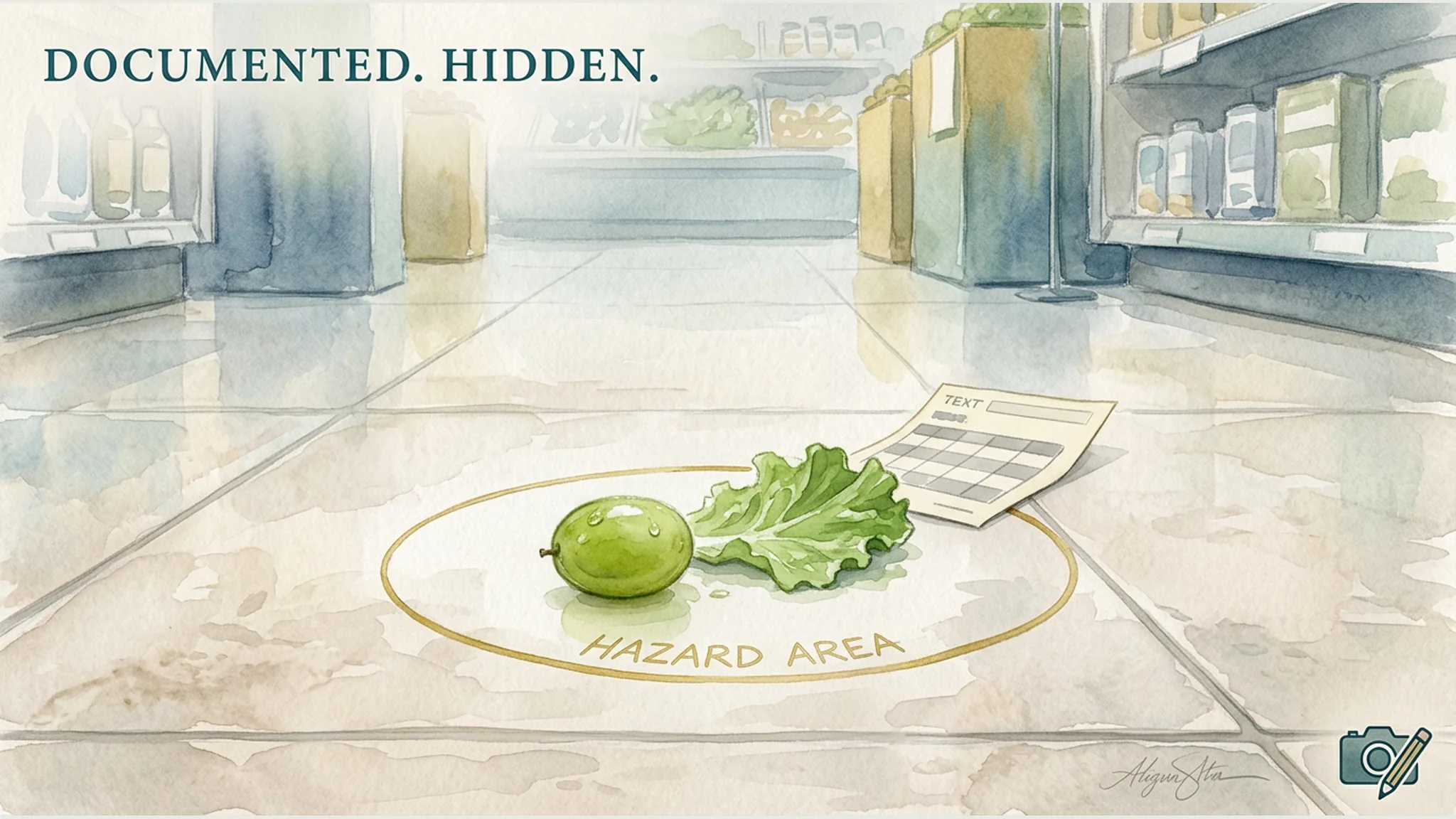
Poor lighting can support an Oregon stairwell fall claim, but darkness by itself does not automatically prove liability. The evidence usually has to connect several points: what was wrong with the lighting, who was responsible for the stairwell, whether that person or business knew or should have known about the problem, and how the darkness caused the misstep.
That proof can come from same-condition photos, video, light measurements, outage history, prior complaints, maintenance records, inspection logs, witnesses, and careful documentation of the fall mechanics. The details matter because a stairwell may look different after a bulb is replaced, a sensor is reset, a door is propped open, or daylight changes.
This article is educational information about Oregon premises-liability issues. It is not legal advice for any specific case.
Why Dark Stairwell Cases Are Really Evidence Cases
In a stairwell lighting case, the central question is rarely just “was it dark?” The harder question is whether the evidence shows that poor lighting made the stairs unreasonably unsafe and caused the person to fall.
Oregon courts require more than speculation. In negligence cases, there must be evidence from which a reasonable factfinder can conclude that negligence is more likely than not, rather than possibilities being evenly balanced. That matters in dark-stairwell cases because a fall can happen for many reasons: a missed step, a loose tread or carpet-edge defect, an unseen landing edge, a handrail problem, footwear, rushing, distraction, or a combination of conditions.
Useful evidence narrows the explanation. It shows what the stairwell looked like at the time of the fall, how long the lighting problem existed, who had responsibility for fixing it, and why the person’s foot placement or movement was affected by what they could not see.
The four proof questions
A practical way to evaluate a dark stairwell fall is to ask four questions:
- What was wrong with the lighting? Was a fixture out, a bulb missing, a stair edge hidden in shadow, a timer too short, an emergency light not working, or the overall light level too low?
- Who controlled or maintained the stairwell? Depending on the property, that might be a landlord, property manager, business owner, maintenance contractor, public entity, or another party.
- Did the responsible party know, or should they have known? Complaints, work orders, inspection schedules, repeated outages, and the length of time the condition existed can matter.
- How did darkness cause the misstep? The evidence should connect the lighting problem to the actual step, landing, edge, or movement involved in the fall.
Those questions keep the claim focused on proof rather than assumptions.
Oregon Premises-Liability Basics for Stairwell Falls
Oregon premises-liability rules depend on the relationship between the injured person and the property. For invitees, Oregon law generally requires a property owner to make the premises reasonably safe for the visit, use reasonable care to discover risks, and eliminate those risks or warn about them so the invitee can avoid harm.
Stairs are also foreseeable access and exit routes in many buildings. If tenants, customers, workers, visitors, or patrons are expected to use a stairwell, the way that stairwell is maintained can become central to the claim.
Apartment and rental stairwells
Apartment stairwell lighting raises additional issues because common areas may be under the landlord’s control. In Jones v. Bierek, the Oregon Supreme Court allowed a tenant’s personal-injury claim alleging a fall caused by inadequate lighting on a common apartment stairway to proceed as a common-law negligence claim. That does not mean every inadequate-lighting claim wins; it means Oregon law recognizes that this type of common-area stairway claim can be legally viable.
Current Oregon residential landlord-tenant law also requires landlords to maintain dwelling units in habitable condition, including electrical lighting and equipment that conform to applicable law at the time of installation and are maintained in good working order. ORS 90.320 also addresses areas under the landlord’s control and requires stairways and related building areas to be kept safe for normal and reasonably foreseeable uses and maintained in good repair.
Those residential rules should not be stretched beyond their setting. A store, office, hotel, construction site, or public building may involve different duties, codes, contracts, or regulations.
Stores, offices, public buildings, and workplaces
For commercial properties, the evidence may focus on inspection routines, employee reports, maintenance contracts, customer complaints, surveillance footage, and whether the stairwell was part of a required route through the property.
For public buildings, shorter notice rules may apply. Oregon’s Tort Claims Act generally requires notice of claim for non-death claims against public bodies within 180 days after the alleged loss or injury, though deadlines and exceptions are fact-specific.
For construction or work settings, OSHA illumination rules may be relevant when the setting fits. OSHA construction standards include minimum lighting intensities for certain work areas, corridors, hallways, exitways, access ways, and related locations. But OSHA and NIOSH materials should not be treated as general Oregon civil-liability rules for every apartment, store, or public stairwell fall.
Photos, Video, and Light Measurements
Photos and video are often the first proof that poor lighting was real. They are most useful when they capture the stairwell as it actually looked at the time of the fall—not after a repair, during brighter daylight, or with different doors, bulbs, or sensor settings.
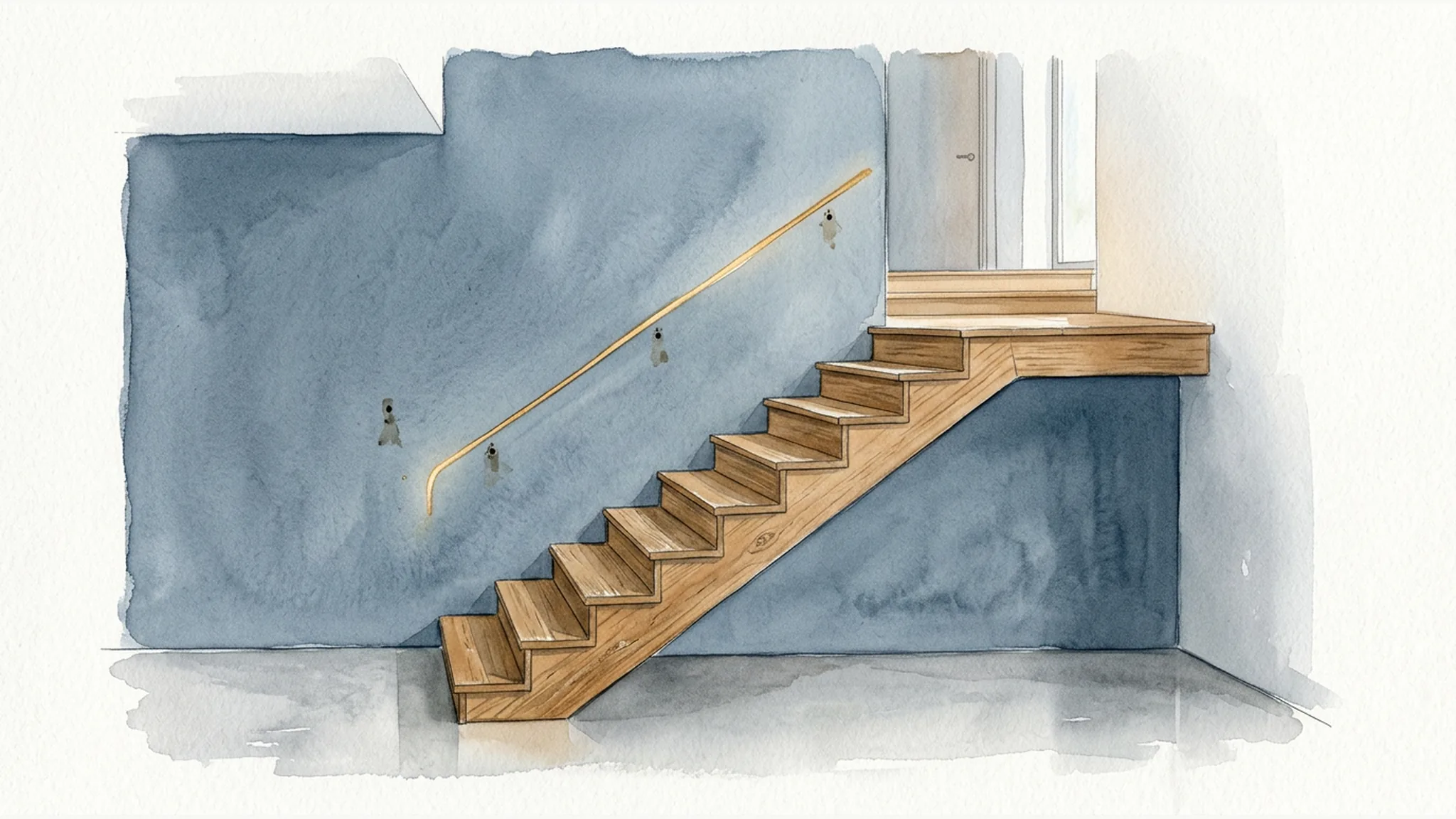
Useful photos or video may show burned-out or dim fixtures, shadows across the tread or landing, step edges, nosing, handrails, switches, timers, motion sensors, emergency lighting, windows, doors, warnings, obstructions, and the path the person took before the fall.
Timing matters. The same stairwell can look different at 7 a.m., noon, and 10 p.m. It can also look different when rain darkens exterior light, when a door is closed, when a motion sensor fails, or when emergency lighting is on or off. Good documentation should record the date, time, weather, door position, sensor behavior, repair status, and whether any temporary lighting was added.
Many stairwell areas are covered by building, lobby, hallway, parking, or exterior cameras. Because surveillance systems may overwrite footage, it is important to request preservation as soon as possible. A written request to preserve surveillance footage after a fall can also include maintenance logs, inspection records, incident reports, and communications about lighting complaints.
Light measurements can make a dark-stairwell claim more concrete. Instead of relying only on “it was dark,” measurements can document how much illumination existed at the stair tread, landing, handrail, or route where the fall occurred. But a number is not magic. A measurement helps most when it reflects the same conditions that existed at the time of the fall.
The Oregon Building Codes Division’s 2022 Oregon Structural Specialty Code update training identifies a model-code change increasing the minimum illumination level for exit and exit-access stairways from 1 foot-candle to 10 foot-candles, and states that Section 1008.2.1 requires not less than 10 foot-candles, or 108 lux, at exit access stairways, exit stairways, and required landings when the stairway is in use. That benchmark can be important, but it does not automatically apply to every stairway in every building. Code applicability can depend on the building type, occupancy, construction or alteration date, code edition, local adoption, and stairway category.
In other words, a lighting measurement may be useful evidence, but it is not a substitute for determining which code, if any, applied to that building and stairway at the relevant time.
Outages, Maintenance Records, and Prior Complaints Can Show Notice
Notice is often the turning point in a dark stairwell case. A property owner or manager may argue that the bulb failed suddenly, no one reported it, and there was no reasonable opportunity to fix it. The injured person may need evidence showing the opposite: that the lighting problem was known, recurring, reported, or present long enough that reasonable inspection and maintenance should have discovered it.
Evidence of actual knowledge may include tenant complaints, customer complaints, emails, texts, maintenance portal entries, work orders, inspection notes, incident reports, security logs, employee reports, communications with a maintenance contractor, and witnesses who reported the problem before the fall.
Constructive notice focuses on whether the condition existed long enough, or recurred often enough, that reasonable care should have led to discovery and repair. Useful evidence may include the last inspection date, inspection schedules, repeated repairs to the same fixture or sensor, delays between complaints and repairs, dated photos, witness accounts, and maintenance checklists that should have included stairwell lighting.
Responsibility may not be obvious. A landlord may own the building, a property manager may handle day-to-day maintenance, a contractor may service the lighting, and a business tenant may control certain interior areas. The evidence should identify who had the ability and duty to inspect, repair, warn, or restrict access to the stairwell.
Causation: Connecting the Darkness to the Misstep
Causation is where many lighting cases become difficult. It is not enough to show that a stairwell was dark somewhere nearby. The evidence should explain how poor lighting affected the person’s movement and led to the fall.
For example, darkness may matter because the person could not see the edge of the next step, misjudged the landing, missed a turn, failed to see a change in step height, could not locate the handrail, or stepped into a shadow that made the tread blend into the riser. The more specific the account, the less the case depends on guesswork.
Important details may include the exact step, landing, or turn involved; where the person’s foot landed or missed; what the person could see and could not see; whether the step edge lacked contrast; whether shadows covered the tread or landing; whether the handrail was visible; whether the person slowed or tried to locate the rail; and whether other people had difficulty seeing the same area.
Witnesses can help confirm both the lighting condition and the fall mechanics. Incident reports and medical records can also capture the first account of what happened. The goal is not to insert legal conclusions. It is to accurately document where the fall occurred, what lighting problem was noticed, what step or landing was involved, and what body parts were injured.
Comparative Fault Arguments to Anticipate in Oregon
Oregon uses modified comparative fault. Under ORS 31.600, contributory negligence does not bar recovery if the claimant’s fault is not greater than the combined fault of the other specified persons, but damages are reduced by the percentage of fault attributed to the claimant. ORS 31.605 addresses percentage allocations of fault.
In practical terms, a property owner may argue that the injured person shares responsibility even if the lighting was poor. Common defense themes include phone use, failure to use a handrail, carrying items that blocked the view, footwear, rushing, open-and-obvious darkness, warning signs, prior use of the stairwell, another available route, or intoxication or fatigue if supported by the facts.
None of these facts automatically defeats a claim. Evidence may help explain why the person still acted reasonably, including that the stairwell was the normal route, the person had no reason to expect the hazard, the lighting made the risk hard to appreciate, the handrail or step edge was also hard to see, or other people had reported the same visibility problem.
Deadlines and Early Preservation Steps
Oregon personal-injury claims generally have a two-year limitations period under ORS 12.110, but deadlines can change depending on the facts. If the stairwell was controlled by a public body or involved public employees or agents, Oregon Tort Claims Act notice rules may require action much sooner. ORS 30.275 generally requires notice for non-death claims within 180 days after the alleged loss or injury.
After a dark stairwell fall, consider preserving:
- photos and video of the stairwell under the same conditions;
- the exact date, time, and location of the fall;
- names and contact information for witnesses;
- footwear worn at the time;
- the incident report or report number;
- screenshots of complaints, maintenance requests, texts, or emails;
- the identity of the landlord, property manager, business, contractor, or public entity;
- information about sensors, timers, emergency lights, and switches;
- light measurements, if they can be taken safely and appropriately;
- medical records documenting the injuries and factual history; and
- written requests to preserve surveillance footage, maintenance records, work orders, inspection logs, and complaint history.
The goal is to document the condition before it changes.
When to Talk With an Oregon Premises-Liability Lawyer
Stairwell lighting cases can involve fast-changing evidence, code questions, landlord duties, maintenance contractors, public-body notice rules, and comparative-fault arguments. A lawyer can help identify which records to preserve, whether lighting measurements or expert analysis may be needed, and who may have controlled the stairwell.
If the fall happened in Portland or the surrounding area, Johnson Law’s Portland slip-and-fall lawyer page explains how the firm approaches premises-liability cases. If surveillance video may exist, it may also help to read about preserving surveillance footage after a fall.
This article focuses on poor lighting that causes a fall. Poor lighting can raise different issues when the claim involves criminal assault or negligent security; those cases involve a different foreseeability analysis than a stairwell misstep.
FAQ
Does poor lighting automatically make a property owner liable for a stairwell fall?
No. Poor lighting may be important evidence, but an Oregon claim still needs proof of an unreasonable hazard, responsibility or notice where applicable, causation, and damages. The evidence must connect the lighting problem to the fall.
What evidence helps prove a stairwell was too dark?
Same-condition photos and video, light measurements, burned-out fixture evidence, shadows, sensor or timer behavior, witness observations, outage history, complaints, and applicable code or safety benchmarks may all help.
How do prior complaints matter in a dark stairwell fall claim?
Prior complaints can show that the landlord, owner, manager, employee, or maintenance contractor knew—or should have known—about the lighting problem before the fall. Work orders, emails, texts, inspection logs, and maintenance records can be important.
Is 10 foot-candles or 108 lux always required for Oregon stairways?
Not necessarily. The Oregon Building Codes Division has identified a 10 foot-candle / 108 lux benchmark for certain exit access stairways, exit stairways, and required landings when the stairway is in use, but code requirements depend on the building, occupancy, stair category, code edition, local adoption, and other facts.
Can an Oregon landlord be responsible for poor lighting in an apartment stairwell?
Potentially, especially for common areas under the landlord’s control. Oregon law recognizes apartment common-stairway inadequate-lighting claims, and ORS 90.320 addresses residential lighting, common-area safety, and stairway repair duties. Liability still depends on the facts, notice, causation, damages, and defenses.
What if I had used the dark stairwell before?
Prior use can become part of a comparative-fault dispute, but it does not automatically decide the case. The question is still whether the lighting was unreasonably unsafe, whether the responsible party failed to maintain or warn, and how the darkness contributed to the fall.
Source Notes
- Oregon premises-liability duty and foreseeable-use principles: Fulmer v. Timber Inn Restaurant and Lounge, Inc.
- Apartment common-stairway inadequate-lighting context: Jones v. Bierek; ORS 90.320.
- Oregon notice and anti-speculation principles: George v. Erickson’s Supermarket, Inc.; Robinson v. Lamb’s Wilsonville Thriftway.
- Oregon comparative fault and percentage allocation: ORS 31.600 and ORS 31.605.
- General limitations and public-body notice caveats: ORS 12.110 and ORS 30.275.
- Oregon Building Codes Division 2022 OSSC Code Update Training; OSHA/NIOSH lighting and stairwell safety materials as safety context.
Client-First Fee Promise
Client First = Bills First, Fees Second
Your unpaid medical bills do not have to make your lawyer's fee bigger. Johnson Law subtracts qualifying medical bills before calculating our fee, helping clients keep more of their settlement.
Applies to qualifying cases. Results vary.