Surveillance Footage in Slip-and-Fall Cases: How Fast It’s Deleted and How to Preserve It
Surveillance Footage in Slip-and-Fall Cases: How Fast It’s Deleted and How to Preserve It
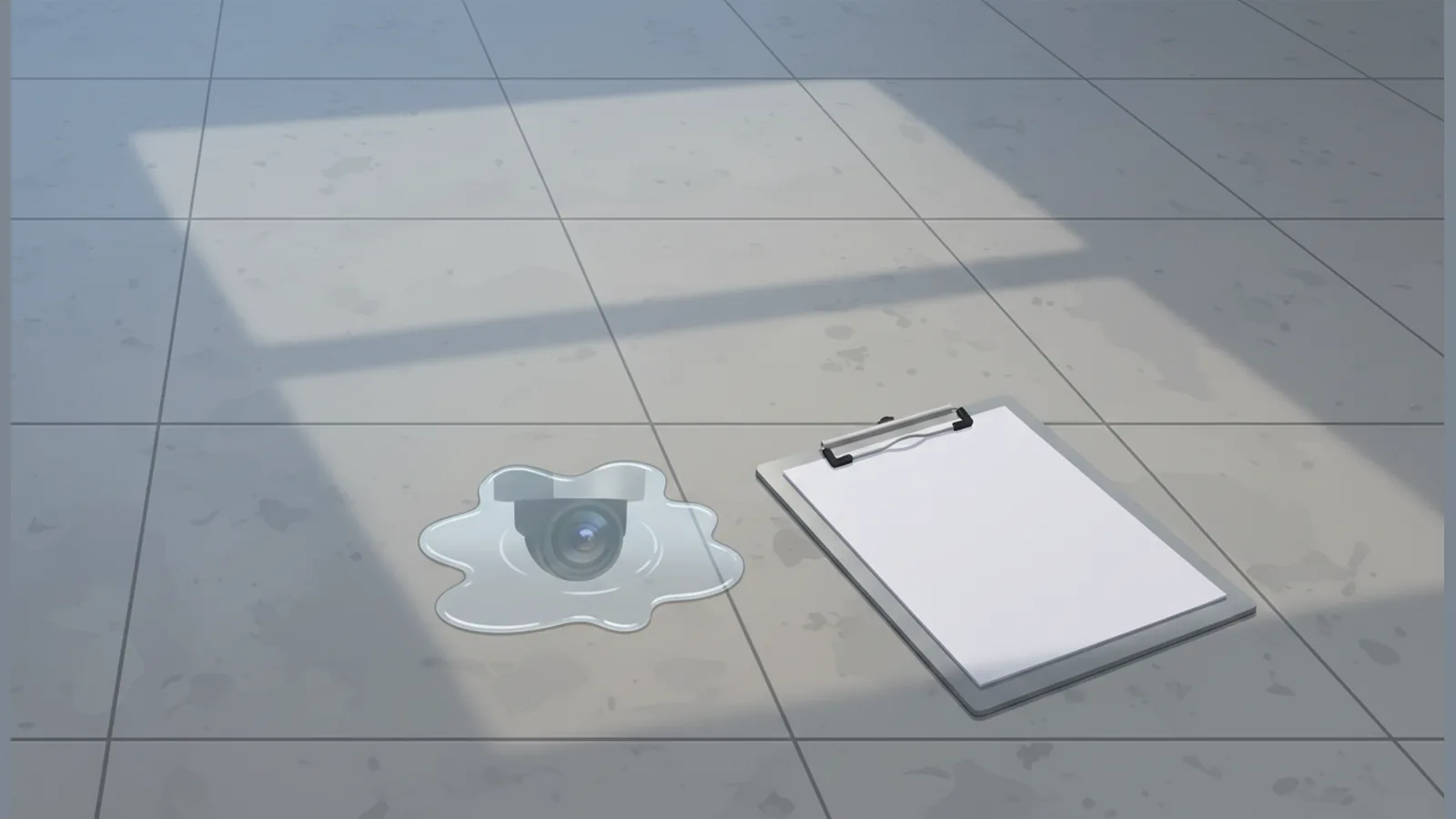
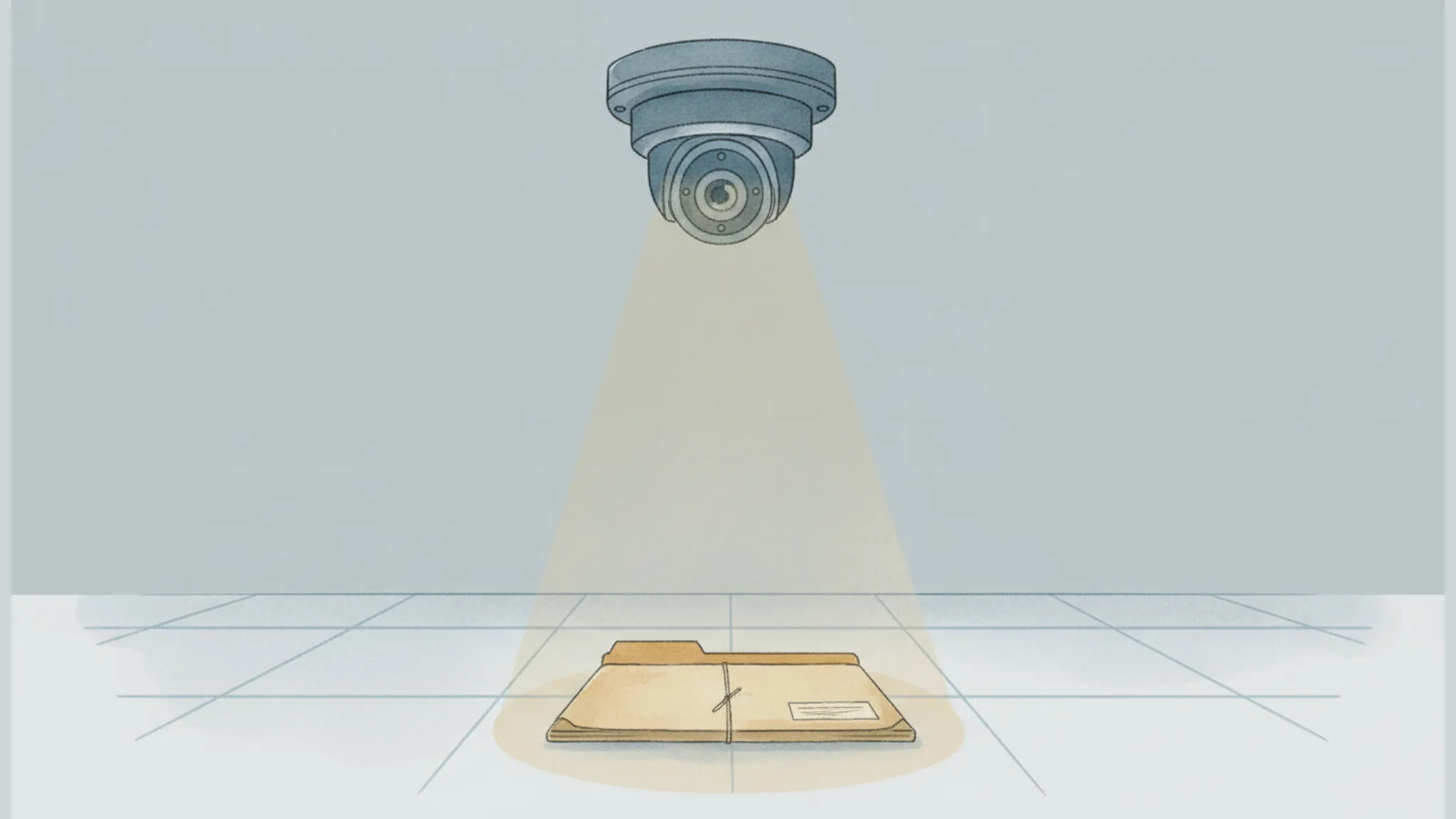
If you were hurt in a slip-and-fall at an Oregon store, hotel, apartment complex, parking area, or managed property, surveillance footage may disappear much faster than you expect. Oregon’s general deadline for many personal-injury claims is two years under ORS 12.110, but that is not a video-retention rule. Private camera systems may overwrite footage automatically based on storage space, motion settings, camera model, and the owner’s internal policy.
That means the practical answer is: do not wait weeks to think about video. If footage may exist, act quickly, document your request in writing, and be specific about the date, time, location, camera angles, and time window you want preserved. A preservation request does not guarantee that footage exists, will be recovered, or must be handed over immediately, but it can be an important early step.
This article is general educational information about Oregon slip-and-fall evidence issues. It is not legal advice for any specific claim.
Why Surveillance Footage Can Matter After an Oregon Slip-and-Fall
In Oregon premises-liability cases, a fall alone does not automatically establish that a property owner, business, hotel, landlord, or property manager is legally responsible. Oregon cases commonly focus on whether the person or business in control of the property created the dangerous condition, knew about it, or should have discovered it through reasonable care. Older and newer Oregon premises cases, including George v. Erickson’s Sunnyslope Supermarket and Robinson v. Lamb’s Wilsonville Thriftway, show why timing and notice evidence can matter.
Video may help answer questions such as:
- Was there water, food, ice, a folded mat, debris, or another hazard before the fall?
- How long did the condition appear to be present?
- Did employees, cleaning staff, security, or maintenance workers pass through the area?
- Were warning signs, cones, mats, or barriers used?
- What happened immediately after the fall?
- Did the camera angle actually show the relevant spot?
Video is not always available, clear, or helpful. Oregon law does not make a property possessor an insurer of every customer’s safety; liability depends on negligence and case-specific proof. But when a case turns on timing, inspection, cleanup, or warning, surveillance footage can be important evidence.
The fall itself is not the only useful footage
People often think only of the clip showing the fall. In many cases, the more important footage may come before or after the fall.
Depending on the property and camera placement, relevant footage may include the aisle, lobby, hallway, stairwell, entrance, parking-lot approach, sidewalk approach, checkout area, inspection route, cleaning route, or adjacent business. For example, aisle and checkout footage may help with grocery-store spill and notice evidence, while stairwell footage may help document loose stair tread or carpet-edge evidence. Lobby footage might show whether a hotel entrance was being monitored or cleaned before a guest fell; related issues are discussed in Johnson Law’s guide to hotel lobby slip-and-fall responsibility. In an apartment or managed-property setting, footage may overlap with maintenance and control issues like those discussed in the firm’s article on icy apartment sidewalk and landlord-control evidence.
The key is to think in time windows and camera angles, not just a single moment.
How Fast Is Slip-and-Fall Surveillance Footage Deleted?
There is no single Oregon deadline that tells private stores, hotels, apartment managers, or property managers how long they must keep surveillance footage after a slip-and-fall. Retention depends on the system, settings, storage capacity, motion, and internal policies.
Manufacturer materials illustrate why there is no reliable universal number. Some systems overwrite the oldest footage automatically when storage fills. Lorex materials describe overwrite settings and retention periods that can vary if storage allows. Cisco Meraki documentation describes smart-camera retention estimates that can vary by model, quality, and motion. Verkada materials describe camera storage that progressively deletes the oldest footage once capacity is reached. These are technical examples, not Oregon legal rules.
The practical lesson is simple: footage may be measured in days or weeks, not months or years. If surveillance footage may matter after a slip and fall, prompt action matters.
Why the lawsuit deadline is not the video deadline
Oregon’s general two-year personal-injury limitation period under ORS 12.110 concerns when many injury lawsuits must be started. It does not require a private business to keep surveillance video for two years.
Formal discovery can also take time. Under ORCP 43, a party can request documents, electronically stored information, images, recordings, and other data within the scope of discovery, but the rule’s response timelines may be slower than a camera system’s overwrite cycle. That is one reason early preservation efforts can matter even before formal production is available.
What to Do Quickly If You Think Video Exists
If you believe surveillance footage may show the fall, the hazard, or the property’s response, consider taking practical steps quickly:
- Write down the date, approximate time, exact location, and what happened.
- Identify which private party may control cameras: the store, hotel, apartment manager, mall operator, security company, cleaning contractor, parking-lot operator, landlord, or adjacent business.
- Send a prompt written preservation request.
- Keep copies of emails, letters, delivery confirmations, and any responses.
- Preserve your own evidence, including photos, witness names, medical records, shoes, clothing, receipts, any incident-report number or copy, and notes about conversations.
Do not trespass, try to access private camera systems, pressure employees, or secretly obtain footage. Broader accident evidence issues are covered in Johnson Law’s guide to preserving accident evidence before it disappears.
What a preservation request should identify
A preservation request should be specific enough that the recipient can understand what footage is being requested. Depending on the facts, it may identify:
- The incident date and approximate time.
- The exact location on the premises.
- A requested pre-incident and post-incident time window.
- Cameras that may show the fall, hazard, inspection route, cleaning activity, employee routes, entrances, exits, adjacent areas, or response.
- A request to suspend automatic deletion or overwrite for relevant footage.
- A request that any preserved video be kept in a usable form, with timestamps, metadata, audit logs, export files, or player software when appropriate.
- A request to preserve related incident reports, inspection logs, cleaning records, maintenance records, and employee or witness notes, while recognizing that later production may require formal procedures.
This is not a magic phrase or guaranteed legal command. It is a practical way to put the camera owner on notice of the footage you believe may be relevant.
Preservation is different from immediate production
Preserving footage and producing footage are not the same thing. A business may agree—or be asked—to prevent deletion while still declining to provide a copy outside formal legal procedures.
The Oregon Court of Appeals in Kerr v. Board of Psychologist Examiners described a litigation hold as a responsibility for preserving documents in anticipation of future or pending litigation and as prudent practice, while also explaining that it was not a standalone Oregon statute, administrative regulation, or court rule requiring disclosure. In practical terms, a preservation letter may ask that relevant footage not be overwritten, but it should not be described as a guarantee of immediate access.
If informal requests are not enough, the question may become whether formal discovery is necessary. Johnson Law discusses that broader decision point in its article on when formal discovery may become necessary.
Using Oregon Discovery Tools After a Case Begins
Once an Oregon civil case is underway, formal discovery tools may apply. The right tool depends on who has the footage and the procedural posture of the case.
ORCP 43 allows a party to request inspection and copying of designated documents and electronically stored information, including writings, photographs, sound recordings, images, and other data compilations within the scope of discovery and within another party’s possession, custody, or control. Requests must describe the items with reasonable particularity, and requests for ESI may specify the form of production. For video, that can matter because a native or exported file with timestamps may be more useful than a screenshot.
ORCP 43 also recognizes that ESI issues can include preservation, data sources, form of production, metadata, and privilege. In a surveillance-footage dispute, those topics may matter if the system has multiple cameras, cloud storage, audit logs, or export limitations.
Party footage vs. nonparty footage
If the defendant controls the camera, ORCP 43 may be the main discovery route. If someone else controls the camera—a nearby tenant, cleaning vendor, mall operator, security company, adjacent business, parking-lot operator, or apartment property manager not named as a party—ORCP 55 may be relevant. ORCP 55 allows subpoenas that command nonparties to produce electronically stored information or tangible things in appropriate circumstances.
These tools are not instant. For example, an ORCP 55 subpoena that only commands production before a deposition, hearing, or trial generally has notice and production timing requirements. That timing may still be too slow if footage is already cycling out, which is another reason early preservation can matter.
If a party fails to respond to proper discovery or disobeys a discovery order, ORCP 46 may allow motions to compel or sanctions in appropriate circumstances. Sanctions are fact-specific and discretionary; they should not be assumed simply because footage is missing.
What If the Video Was Already Deleted?
Missing surveillance footage is frustrating, but the legal effect depends on why the footage is missing, when it was deleted, who controlled it, whether it was relevant, and whether there was a reason or duty to preserve it.
Deletion may be routine, automatic, accidental, explained, disputed, or potentially improper. Oregon Evidence Code Rule 311, codified at ORS 40.135, includes a presumption that evidence willfully suppressed would be adverse to the party suppressing it. The word “willfully” matters. Routine overwrite, nonexistence, loss before litigation was reasonably anticipated, or a camera angle that never captured the hazard may present very different issues than deliberate destruction of relevant evidence.
Oregon spoliation law is also not something to overstate. In Classen v. Arete NW, LLC, the Oregon Court of Appeals addressed limits on a spoliation claim in the circumstances before it. The safer takeaway for readers is not that deleted footage creates a separate lawsuit or automatic win, but that missing evidence needs careful, fact-specific analysis.
Other evidence may still matter even if video is gone, including photos, witness statements, incident reports, inspection logs, maintenance records, cleaning schedules, receipts, medical records, and contemporaneous notes.
Missing footage does not automatically prove negligence
Oregon premises-liability cases still require proof connected to the hazard, the defendant’s conduct, and the surrounding facts. A store, hotel, landlord, or property manager is not automatically liable just because a fall occurred or because video is unavailable.
The question is usually more specific: What was the dangerous condition? Who controlled the area? How long was the condition present? What inspection or cleanup procedures existed? What did employees, vendors, or property managers know or reasonably have a chance to discover? Surveillance footage can help answer those questions, but missing footage does not answer them by itself.
If a Portland Public Camera May Have Footage
Public-body records use a different route from private store, hotel, apartment, and property-manager footage. For a camera-holder map and the specific City of Portland, TriMet, SmartPark, and public-records paths, see Johnson Law’s guide to security-camera sources and request routes in Portland. This article remains focused on private-premises preservation and the footage that may prove hazard duration, inspection, cleanup, warning, and notice.
Practical Checklist: Preserving Potential Slip-and-Fall Video
If you are trying to preserve surveillance footage after a slip and fall in Oregon, a practical checklist is:
- Act quickly; do not assume footage will remain available for weeks or months.
- Write down the exact date, time, location, and details while memory is fresh.
- Identify the store, property owner, manager, security provider, cleaning vendor, adjacent business, or other private camera holder.
- Send a written preservation request that identifies the relevant time window and camera areas.
- Ask that automatic overwrite or deletion be suspended for relevant footage.
- Preserve your own evidence, including photos, witness information, shoes, clothing, receipts, medical records, and notes.
- If a Portland public body may have footage, use the companion Portland camera-source guide to identify the correct request route.
- If the injury is significant or the footage may disappear soon, consider speaking with an Oregon personal-injury lawyer promptly.
Johnson Law handles Oregon premises liability matters and other claims through Johnson Law’s personal injury practice. A lawyer cannot promise that footage exists or can be recovered, but early legal help may identify the right preservation and discovery steps for the facts involved.
FAQ
How long do Oregon businesses keep surveillance footage after a slip-and-fall?
There is no single Oregon retention period for private business surveillance footage. Retention depends on the camera system, settings, storage capacity, motion, and internal policy. Some systems overwrite automatically, so it is more prudent to act quickly than to assume the footage will remain available.
Can I force a store or hotel to give me video before filing a lawsuit?
A preservation request can ask the business to keep relevant footage from being deleted, but preservation is different from immediate production. Whether and when footage must be produced can depend on the claim, the parties, and formal legal procedures.
What should a slip-and-fall preservation letter ask for?
It may identify the date, approximate time, exact location, relevant camera areas, pre- and post-fall time windows, and a request to suspend auto-delete or overwrite for relevant footage. Depending on the circumstances, it may also request that files be preserved with timestamps, metadata, audit logs, export files, or needed player software.
What happens if the surveillance footage was deleted?
It depends. The analysis may include when the footage was deleted, why it was deleted, whether litigation was anticipated, whether the footage was relevant and within a party’s control, and whether willful suppression or discovery violations can be shown. Deleted footage does not automatically prove liability.
Do public-records requests apply to private store surveillance cameras?
Generally, no. Oregon public-records law applies to public-body records. Private store, hotel, apartment, and property-manager cameras usually involve preservation requests and, if a case is filed, discovery or subpoenas.
Is video required to bring a slip-and-fall claim in Oregon?
Not necessarily. Video can be important, but Oregon premises claims may also involve photos, witnesses, incident reports, inspection logs, maintenance records, medical records, and other evidence.
Source Notes
- ORS 12.110 — general Oregon personal-injury limitation period; not a surveillance-retention deadline.
- George v. Erickson’s Sunnyslope Supermarket, Robinson v. Lamb’s Wilsonville Thriftway, Hinchman v. UC Market, and Lee v. Meier & Frank — Oregon premises-liability context for notice, timing, duty, and the caution that property possessors are not insurers of safety.
- ORCP 43, ORCP 55, and ORCP 46 — Oregon discovery, subpoenas, and discovery-sanctions rules.
- ORS 40.135 / OEC 311, Kerr v. Board of Psychologist Examiners, and Classen v. Arete NW — willful-suppression, litigation-hold, and spoliation-related limits.
- Lorex, Cisco Meraki, and Verkada manufacturer materials — technical support for the point that surveillance retention can be automatic and configuration-dependent, not a fixed Oregon private-retention rule.
- ORS 192.324, ORS 192.329, and the Oregon DOJ Public Records and Meetings Manual — public-body record requests and the limits of public-records disclosure.
Client-First Fee Promise
Client First = Bills First, Fees Second
Your unpaid medical bills do not have to make your lawyer's fee bigger. Johnson Law subtracts qualifying medical bills before calculating our fee, helping clients keep more of their settlement.
Applies to qualifying cases. Results vary.