Incomplete Spinal Cord Injury: Why “Not Paralyzed” Can Still Mean Permanent Disability
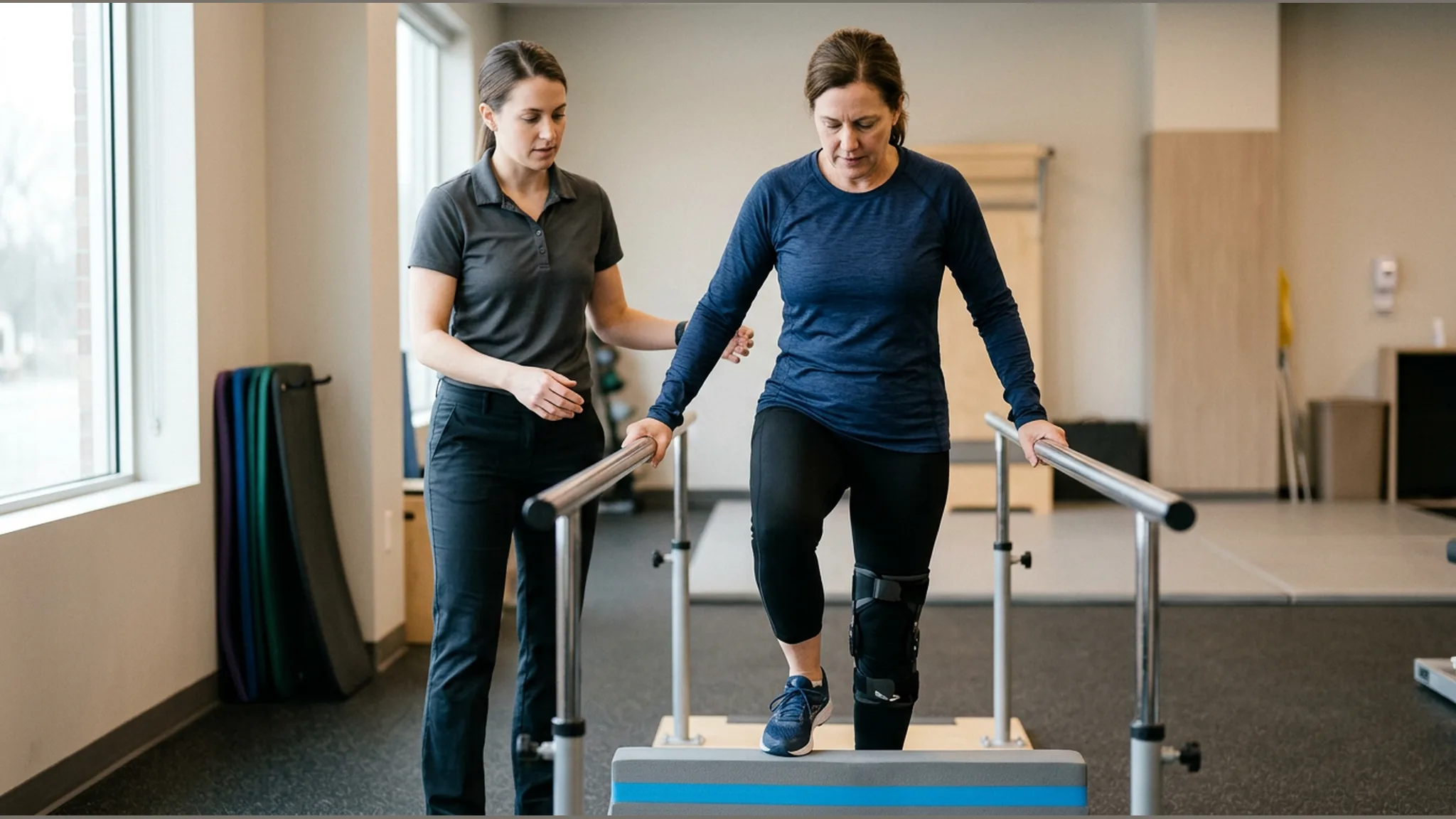
Incomplete Spinal Cord Injury: Why “Not Paralyzed” Can Still Mean Permanent Disability
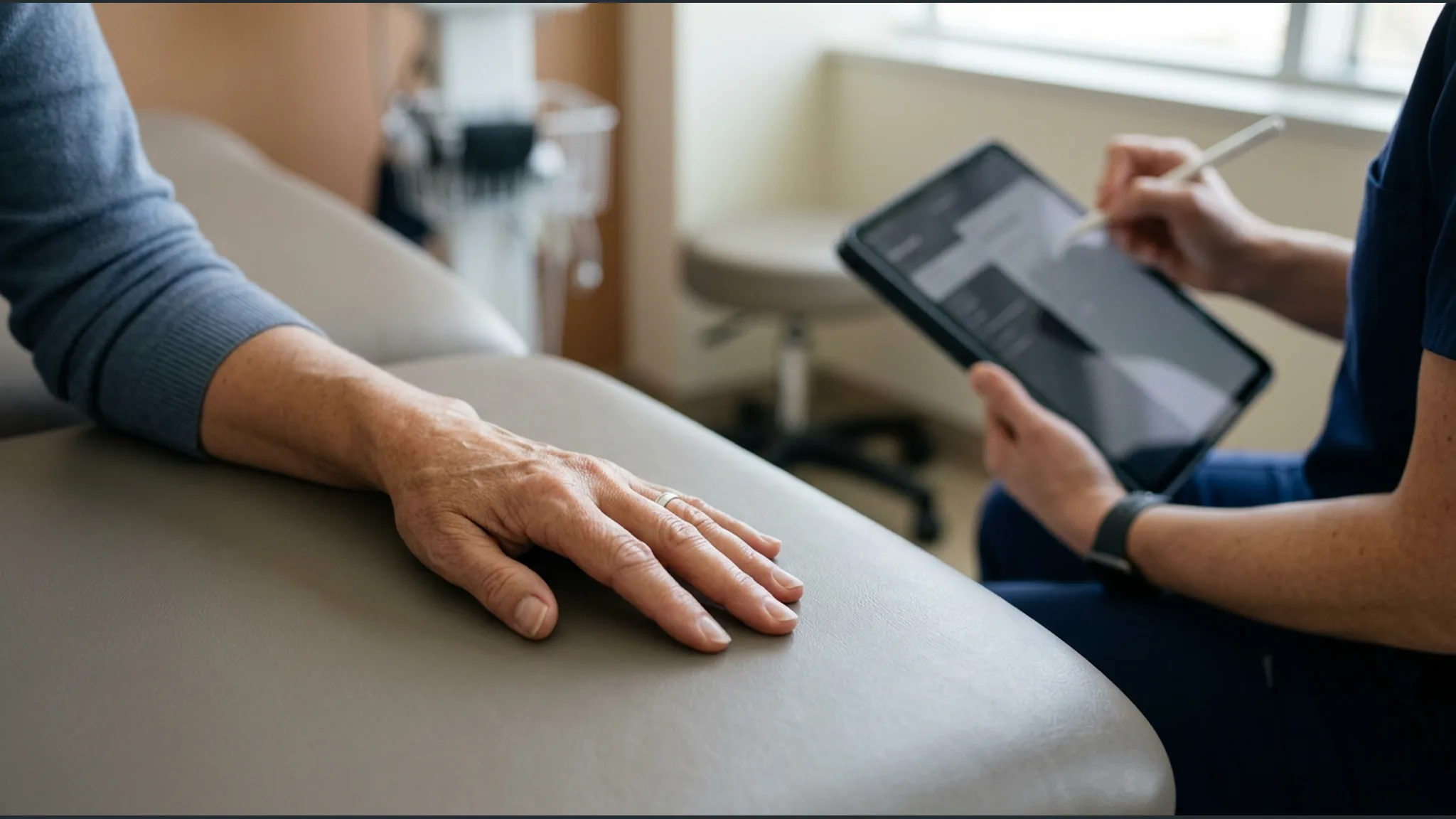
An incomplete spinal cord injury can leave a person with some sensation, movement, ability to stand, or ability to walk while still causing serious and potentially permanent limitations. The phrase “not paralyzed” does not tell us whether that person can move safely through the community, complete daily activities independently, tolerate a full day of activity, or manage pain and other effects of the injury.
That is because “incomplete” is a neurological classification—not another word for “mild.” Spinal cord injury can disrupt motor, sensory, and autonomic function, and the effects vary from person to person. Formal incomplete status depends on specific examination findings called sacral sparing, not simply on whether movement is visible below the injury. (NINDS, “Spinal Cord Injury”; American Spinal Injury Association, ISNCSCI Patient Brochure)
Incomplete SCI also does not automatically mean permanent disability. Neurological level, initial findings, rehabilitation response, complications, and individual health factors can influence recovery. No classification or early finding guarantees full recovery, walking, independence, return to work, or permanent impairment. (Model Systems Knowledge Translation Center, “Understanding Spinal Cord Injury, Part 2”)
What Does “Incomplete” Spinal Cord Injury Mean?
The International Standards for Neurological Classification of Spinal Cord Injury, often shortened to ISNCSCI, provide a standardized clinical examination for describing spinal cord injury. The current 2026 ISNCSCI Worksheet (rev. 04/26) classifies an injury as neurologically incomplete when sensory or motor function is preserved in the lowest sacral segments. This preservation is called sacral sparing. (American Spinal Injury Association, 2026 ISNCSCI Worksheet)
This medical meaning is more precise than everyday phrases such as “partial paralysis.” It also means that no one should try to determine completeness from a video, an imaging report, a vertebral injury level, or the observation that a person can move a leg.
Sacral sparing is the key neurological finding
Sacral sparing means preserved light-touch or pin-prick sensation in the S4-5 dermatome on either side, preserved deep anal pressure (DAP), or preserved voluntary anal contraction (VAC). If VAC is absent, all S4-5 light-touch and pin-prick scores are zero, and DAP is absent, the injury is neurologically complete; otherwise, it is incomplete. These are clinical findings for a qualified examiner, not instructions for self-classification. Movement somewhere else below the neurological injury level, standing, or taking a few steps is not by itself the formal test for an incomplete injury.
AIS B, C, and D describe examination findings—not everyday independence
The American Spinal Injury Association Impairment Scale, or AIS, includes several classifications. The incomplete classifications commonly discussed in public-facing materials are:
- AIS B, sensory incomplete: Sensory but not motor function is preserved below the neurological level, including S4-5 light touch, pin prick, or DAP, and no motor function is preserved more than three segments below the motor level on either side.
- AIS C, motor incomplete: VAC is preserved, or the person meets sensory-incomplete criteria and has some key or non-key motor function more than three levels below the ipsilateral motor level on either side; less than half of the key muscle functions below the single neurological level of injury (NLI) are grade 3 or greater.
- AIS D, motor incomplete: The same motor-incomplete criteria are met, and at least half of the key muscle functions below the single NLI are grade 3 or greater.
These categories describe neurological examination findings, not everyday function. Classification belongs to a qualified examiner. AIS D does not mean normal function, unrestricted walking, independence, employability, or a particular prognosis. (American Spinal Injury Association, 2026 ISNCSCI Worksheet)
Why Some Movement or Walking Does Not Equal Normal Function
“Can this person walk?” is often the wrong question. A more useful functional assessment asks:
- How far and for how long can the person walk?
- Is the movement safe and repeatable?
- What device or personal assistance is required?
- What terrain can the person manage?
- How much rest and recovery are needed afterward?
- Can the person repeat the activity throughout a day or week?
The difference matters in medical care, daily life, and an injury claim.
Walking depends on more than leg movement
Gait after a spinal cord injury may depend on strength, balance, coordination, sensation, joint range of motion, cardiovascular capacity, and the ability to practice safely. A limitation in one or more of these areas may affect gait quality or fall risk, although the specific factors must be evaluated for each person. (MSKTC, “Spinal Cord Injury and Gait Training”)
Energy demands also matter. Pain, weakness, fatigue, spasticity, environmental barriers, and limited tolerance for repeated tasks can affect how often or how far someone walks. The fact that a person completes one walking task does not establish that the same performance can be sustained across an ordinary day.
Clinic performance and community mobility answer different questions
A short, controlled walk in therapy can provide valuable clinical information. It does not necessarily show whether the person can cross a parking lot, move around a workplace, navigate uneven ground or stairs, carry out errands, or respond safely when conditions change.
Evidence of durable community mobility is therefore more specific than a note saying “ambulates.” Relevant details may include distance, duration, speed when clinicians use it, terrain, assistance, braces or other devices, rest, recovery time, falls or near-falls, and whether the activity is repeatable. There is no single distance or performance threshold in this article that determines disability. The question is what the individual can do safely, consistently, and in the settings that matter.
Walking and wheelchair use can both be appropriate
A person may walk during therapy or inside the home but use braces, a cane, crutches, a walker, another person’s help, or a wheelchair in other settings. Safety, speed, endurance, terrain, and community distance can make different mobility strategies appropriate at different times. (MSKTC, “Getting the Right Wheelchair”)
Mixed walking and wheelchair use is not inherently inconsistent. Nor does using a wheelchair by itself prove a particular degree of incapacity. Device use should be understood through the person’s clinical recommendations and actual function.
Incomplete SCI Can Affect More Than Mobility
The spinal cord carries signals involved in motor, sensory, and autonomic function. As a result, an incomplete injury may affect more than movement—but no single pattern applies to everyone. (NINDS, “Spinal Cord Injury”)
Pain, altered sensation, weakness, fatigue, and spasticity
Neuropathic pain may occur at or below the injury level, including in an area where sensation is reduced or altered. When present, it can affect sleep, mood, activity, and rehabilitation. Pain after SCI is not always neuropathic, however, and its type and cause require clinical assessment. (MSKTC, “Pain After Spinal Cord Injury”)
Spasticity can involve involuntary muscle activity, stiffness, spasms, pain, sleep disruption, or difficulty with movement and care. Its effects are not uniformly negative: in some individuals, spasticity can help with standing or transfers. Treatment decisions and functional conclusions should therefore remain individualized. (MSKTC, “Spasticity and Spinal Cord Injury”)
Weakness, fatigue, altered sensation, and repeated-task tolerance should likewise be connected to documented function. Labels alone do not show whether these issues affect gait, transfers, self-care, concentration, therapy, or the ability to sustain activity.
Bowel and bladder effects are individualized
SCI can alter communication between the nervous system and the bladder. Depending on the individual, management may involve a clinician-directed schedule, catheterization, medication, monitoring, supplies, or another approach. These needs vary, and bladder dysfunction does not occur in the same way in every incomplete SCI. (MSKTC, “Bladder Management Options Following SCI”)
SCI may also affect bowel motility, sensation, sphincter control, or the ability to complete bowel care. Some people may use a scheduled program, medication, equipment, or assistance, while others may not. (MSKTC, “Bowel Function After Spinal Cord Injury”)
These examples should not be used to assume that a particular person has incontinence, needs assistance, or requires a specific treatment. The relevant evidence is the person’s diagnosed condition, clinician-directed management, and documented functional burden.
Recovery and Long-Term Disability Cannot Be Predicted From “Incomplete” Alone
Incomplete SCI can cause impairments that remain permanent, but the classification does not answer the prognosis by itself. Neurological level, completeness, initial examination findings, complications, rehabilitation response, and individual health factors may all influence recovery. Improvement can occur at different rates, and some limitations can remain. No early label guarantees the endpoint. (MSKTC, “Understanding Spinal Cord Injury, Part 2”)
For that reason, it is more accurate to describe documented function over time than to make broad predictions from “incomplete,” “AIS D,” or “can walk.” A careful assessment considers what has changed, what has persisted, what remains uncertain, and what qualified clinicians say about future function and care.
Records That Show Function More Clearly Than a Label
The following points are practical, source-grounded guidance—not legal or clinical recordkeeping mandates. Medical records should be created for accurate care, and examination timing belongs to clinicians. Families should not manufacture records for litigation or sacrifice privacy by documenting more than is useful and appropriate.
Serial neurological examinations
Serial ISNCSCI examinations may show changes in neurological level, sacral findings, motor and sensory scores, and AIS classification. They can also preserve a clinician’s uncertainty and the limits of an early prognosis. A single informal description such as “partial paralysis” usually conveys less than a properly performed examination. (American Spinal Injury Association, 2026 ISNCSCI Worksheet)
The timing and frequency of these examinations are medical decisions. Their value is in accurately recording the clinical course—not in forcing a prediction before one can reasonably be made.
PT, OT, mobility, and daily-activity evidence
Physical and occupational therapy records can describe function in concrete terms. Depending on the person, useful observations may concern:
- transfers;
- dressing, bathing, and toileting;
- meal tasks and reaching;
- standing tolerance;
- the type and level of assistance required; and
- consistency across sessions.
Mobility notes can add distance, duration, terrain, devices, personal assistance, rest and recovery, and whether performance can be repeated. This detail helps distinguish isolated capacity in a controlled setting from durable function at home and in the community. (MSKTC, “A Guide to Inpatient Rehabilitation Services for People With Spinal Cord Injury”; MSKTC, “Spinal Cord Injury and Gait Training”)
Symptom, bowel, bladder, and caregiver records
When pain or spasticity is present, a clinical history or symptom log may be more informative if it identifies frequency, duration, location, triggers, treatment, adverse effects, and specific effects on sleep or activity. Any documented functional benefit from spasticity should also be included. Personal observations do not replace diagnosis or causation opinions from qualified clinicians.
Where bowel or bladder management is relevant, records may describe the actual clinician-directed routine, supplies, time, assistance, complications, and changes in management. Case-manager or personal-care assessments may also document the help actually required in home and community settings. These records should reflect the individual rather than assumptions about incomplete SCI.
Equipment and mixed-mobility evidence
Equipment evidence may include prescriptions, letters of medical necessity, fitting and training records, vendor quotes, repair history, and individualized information about expected replacement. It can also explain why a person uses one mobility method at home and another in the community.
There is no universal replacement schedule or cost that applies to every claim. Prescribed equipment and anticipated expenses need current, case-specific support. (MSKTC, “Getting the Right Wheelchair”)
Documenting Future Care Without Treating It as Fixed
Future-care evidence is strongest when each proposed need is connected to assessed function. Treating clinicians, rehabilitation professionals, case managers, and appropriate equipment or care providers may address whether therapy, attendant care, equipment, repairs or replacements, or home or work modifications are likely to be needed.
Connect each proposed need to assessed function
A proposed service or item should not rest only on the incomplete-SCI label. The supporting evidence may explain:
- the functional limitation being addressed;
- the basis for the proposed care or equipment;
- how often or under what circumstances it may be needed;
- who is qualified to provide it; and
- the current, case-specific basis for cost.
Interdisciplinary rehabilitation may address mobility, self-care, bowel and bladder management, equipment, caregiver training, and return to home and community, but goals and services differ for each person. (MSKTC, “A Guide to Inpatient Rehabilitation Services for People With Spinal Cord Injury”)
Revisit plans as circumstances change
Function, complications, living arrangements, and technology can change. A future-care plan may therefore need revision rather than being treated as fixed for life. Costs also require current, individualized support; generalized lifetime totals and automatic equipment schedules do not establish a particular person’s needs.
Our separate guide to documenting future medical costs explains the treatment-and-cost evidence in more detail. Even well-supported anticipated needs are not automatically recoverable; that question depends on the evidence and law applicable to the claim.
How Incomplete SCI Evidence May Fit an Oregon Injury Claim
An AIS classification can be important evidence, but it is only one part of an Oregon injury claim. The claim may also require case-specific proof of medical causation, functional consequences, future needs, losses, and the legal responsibility of the parties.
Function and care evidence can relate to different loss categories
ORS 31.705 provides for separate findings of economic and noneconomic damages in a civil action. The statute’s examples of economic damages include reasonable charges necessarily incurred for health care, loss of income, past and future impairment of earning capacity, and reasonable and necessary substitute domestic services. Its examples of noneconomic damages include pain, mental suffering, emotional distress, inconvenience, and interference with normal activities apart from gainful employment.
Detailed medical, rehabilitation, work, care, and daily-function evidence may relate to these categories. The categories do not, by themselves, prove that a claimed item is recoverable or adequately supported.
Medical causation and future consequences need case-specific support
Incomplete-SCI claims can present medically complex questions. Qualified support is ordinarily important when connecting an event to a spinal cord injury and connecting that injury to claimed consequences. Depending on the case, relevant evidence may include the mechanism of injury, imaging, serial neurological examinations, symptom timing, differential causes, and preexisting disease. This is not a statutory checklist, and the significance of each item depends on the claim and admissible evidence.
In the professional-negligence context, Oregon causation must ultimately be proved to a reasonable probability rather than a mere possibility. In Smith v. Providence Health & Services—Oregon, the Oregon Supreme Court recognized that loss of a substantial chance of a better medical outcome can be a cognizable injury in a common-law medical-malpractice claim. When the lost chance is identified as the injury, the plaintiff still must prove that, more likely than not, the defendant’s negligence caused the loss of that chance. Smith does not supply a universal causation formula for every Oregon injury claim. (Oregon Supreme Court, Smith v. Providence Health & Services—Oregon, 361 Or 456 (2017))
Fault and deadlines require individualized Oregon advice
Under ORS 31.600, allowed damages can be reduced in proportion to a claimant’s fault. The statute uses a “not greater than” comparison against specified persons and includes exclusions and qualifications. It should not be used to predict a fault percentage without case-specific analysis.
ORS 12.110(1) generally provides a two-year limitation period for covered actions for injury to a person or another’s rights. That general statement does not determine the deadline in a specific matter. Accrual and discovery issues, public-body notice requirements, rules involving minors or other disabilities, medical-negligence provisions, workers’ compensation procedures, and other claim-specific laws may change the analysis. A claimant should speak with qualified Oregon counsel promptly rather than calculate a deadline from this article.
Johnson Law’s page on catastrophic injury claims in Oregon provides broader information about serious-injury representation without changing the individualized proof required in an incomplete-SCI claim.
Incomplete Spinal Cord Injury Is Not the Same as Cauda Equina Syndrome or Radiculopathy
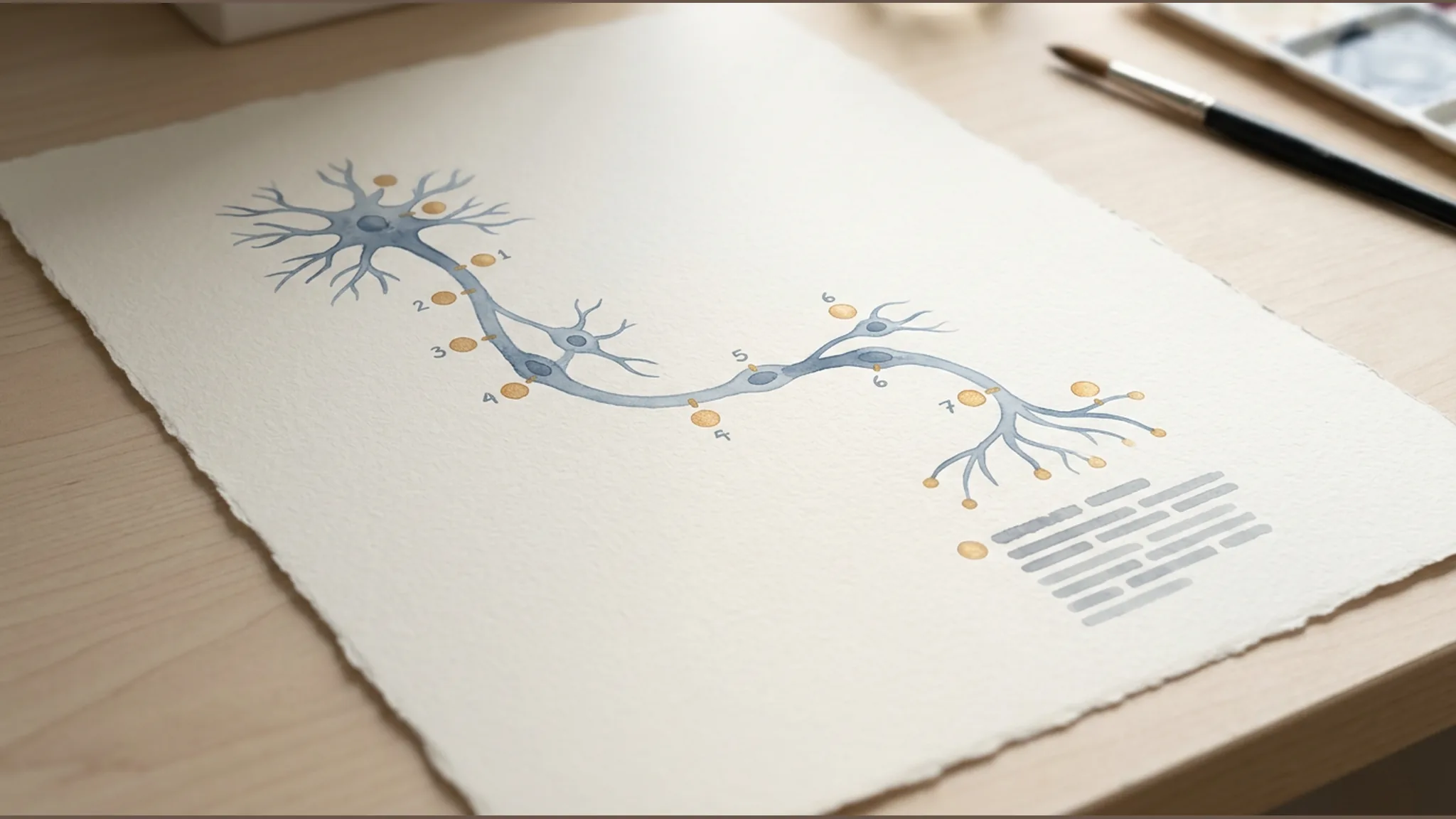
The spinal cord generally ends near the L1-L2 vertebral level. Below it, the cauda equina consists of lumbosacral nerve roots. A cauda equina injury can cause major weakness, sensory loss, and bowel or bladder dysfunction, but it anatomically affects nerve roots rather than the spinal cord. Isolated radiculopathy is also not incomplete SCI. (International Standards for Neurological Classification of Spinal Cord Injury, revised 2011)
Vertebral injury level and neurological injury level are not interchangeable. Readers looking for the separate nerve-root topic can review our article about cauda equina syndrome.
Frequently Asked Questions
What makes a spinal cord injury “incomplete”?
Under ISNCSCI, an injury is neurologically incomplete when sensory or motor function is preserved in the lowest sacral segments—a finding called sacral sparing. Movement elsewhere below the injury is not, by itself, the formal test. Classification requires a qualified neurological examination and should not be self-diagnosed.
Can you walk with an incomplete spinal cord injury?
Some people can walk in certain settings. They may still need a brace, cane, crutches, walker, personal assistance, rest, or a wheelchair in other settings. Safe, repeatable community mobility depends on more than whether a person can take steps.
Does AIS D mean the spinal cord injury is mild?
No. AIS D describes a motor-examination threshold. It does not establish unrestricted mobility, independence, employability, prognosis, or the absence of pain, fatigue, autonomic effects, or other limitations.
Can an incomplete spinal cord injury cause permanent disability?
Yes, it can, but not every incomplete SCI is permanent or disabling. Lasting function depends on individualized clinical findings, recovery, and the person’s documented abilities and needs over time.
Why might someone walk sometimes but use a wheelchair at other times?
Safety, endurance, speed, distance, terrain, pain, weakness, fatigue, and assistance needs may vary by setting. Walking and wheelchair use can both be appropriate parts of an individualized mobility plan and should not automatically be treated as inconsistent.
What records may help document an incomplete SCI claim in Oregon?
Depending on the case, useful evidence may include serial neurological examinations; PT and OT records; concrete mobility and daily-activity measures; symptom and care records; equipment prescriptions and vendor information; and qualified assessments of future needs. What is medically appropriate and legally necessary remains case-specific.
When to Seek Individual Medical and Legal Guidance
If you or a family member has an injury-related incomplete-SCI diagnosis or unresolved questions about function, appropriate medical and rehabilitation professionals can evaluate classification, symptoms, prognosis, mobility, and care needs.
For an Oregon injury claim, Johnson Law can discuss how medical records, causation questions, future needs, and claim-specific Oregon rules may apply to your circumstances. A consultation cannot promise a particular medical or legal outcome, but it can help identify the questions and evidence that need individualized review.
Educational-use disclaimer: This article provides educational information only. It is not legal or medical advice, does not establish a diagnosis or filing deadline, and does not create an attorney-client relationship. Consult qualified medical professionals for diagnosis and care and qualified Oregon counsel for advice about a specific claim and its deadlines.
Sources and Source Notes
- American Spinal Injury Association, ISNCSCI Patient Brochure and 2026 ISNCSCI Worksheet (rev. 04/26) — neurological incompleteness, sacral sparing, and AIS distinctions.
- National Institute of Neurological Disorders and Stroke, “Spinal Cord Injury” — overview of motor, sensory, and autonomic effects.
- Selected Model Systems Knowledge Translation Center fact sheets: recovery and rehabilitation, gait training, wheelchair use, and inpatient rehabilitation — recovery uncertainty, mobility, mixed device use, functional documentation, and changing care needs.
- Oregon Revised Statutes chapter 31 and chapter 12 — Oregon damage categories, comparative fault, and the general limitation-period language discussed above.
- Smith v. Providence Health & Services—Oregon, 361 Or 456 (2017) — narrowly cited for reasonable-probability causation and recognition of loss of a substantial chance of a better medical outcome as a potentially cognizable injury in a common-law medical-malpractice claim.
- International Standards for Neurological Classification of Spinal Cord Injury (revised 2011) — used only for the stable spinal-cord-versus-cauda-equina anatomy distinction, not as the current AIS classification anchor.
Client-First Fee Promise
Client First = Bills First, Fees Second
Your unpaid medical bills do not have to make your lawyer's fee bigger. Johnson Law subtracts qualifying medical bills before calculating our fee, helping clients keep more of their settlement.
Applies to qualifying cases. Results vary.