CRPS in Oregon Injury Claims: Why the Diagnosis May Be Disputed

CRPS in Oregon Injury Claims: Why the Diagnosis May Be Disputed
Complex Regional Pain Syndrome (CRPS) is a specific clinical diagnosis—not simply another name for severe or unexplained pain. In an Oregon injury claim, a disagreement may concern whether the clinical criteria were met, whether another condition better explains the findings, whether an accident caused the CRPS, or which treatment and functional limitations are attributable to it.
Those are separate questions. A diagnosis does not by itself prove accident causation, negligence, coverage, damages, or claim value. At the same time, a finding that looks different at a later appointment does not necessarily show what was present during an earlier examination. CRPS signs and symptoms can change over time.
Insurers do not universally dispute CRPS, and a disagreement does not automatically suggest improper conduct. The position taken in a particular Oregon claim may depend on the medical record, the kind of claim, and the issues under review.
This article focuses narrowly on CRPS diagnosis and proof issues under general Oregon personal-injury principles. It is not a general guide to chronic pain, normal imaging, damages, settlement value, workers’ compensation, PIP, UM/UIM, medical malpractice, or insurance benefits. It provides educational information only and is not legal or medical advice.
What Complex Regional Pain Syndrome Is
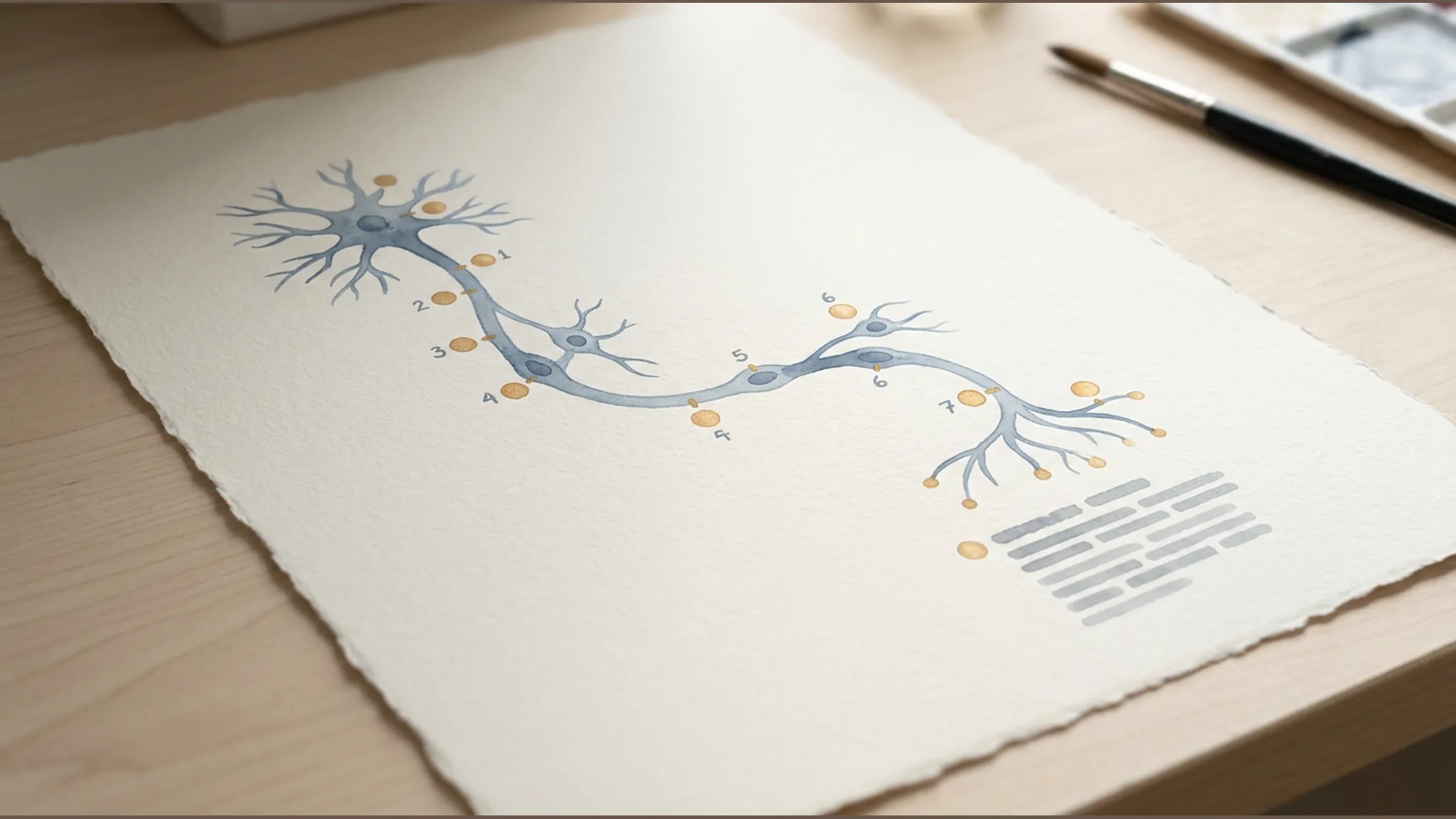
CRPS is characterized by continuing regional pain that is disproportionate in time or degree to the usual course of a known trauma or lesion. The pain is generally regional rather than limited to the territory of one nerve or a single dermatome. It is commonly accompanied by abnormalities involving sensation, movement, temperature or color, sweating or swelling, or changes to skin, hair, or nails. The fifth-edition CRPS diagnostic and treatment guidelines describe this clinical framework in detail.
CRPS usually affects a limb after an injury. Possible manifestations include:
- spontaneous pain or pain triggered by contact or movement;
- allodynia, meaning pain from a stimulus that is not normally painful;
- hyperalgesia, meaning an exaggerated response to a painful stimulus;
- differences in skin temperature or color;
- swelling or changes in sweating;
- reduced range of motion, weakness, tremor, or dystonia; and
- changes involving the skin, hair, or nails.
Not everyone with CRPS has every feature, and an individual finding may not appear at every visit. The National Institute of Neurological Disorders and Stroke (NINDS) provides a patient-oriented overview of the condition, its manifestations, and the ways it may affect use of a limb.
What “disproportionate pain” means—and does not mean
“Disproportionate” is part of the medical diagnostic framework. It does not mean that the pain is fabricated or exaggerated. It describes a clinician’s assessment of the continuing regional pain in relation to the usual course of the known trauma or lesion.
The phrase is also not a legal conclusion. It does not establish that a particular accident caused CRPS, that someone else was at fault, or that a claimant has sustained any particular amount of damages. There is no simple formula a reader can apply to decide whether pain is medically “disproportionate.” That determination belongs in a qualified clinical evaluation.
CRPS type I and type II
CRPS type I is diagnosed when discrete peripheral nerve damage has not been identified. CRPS type II involves discrete peripheral nerve damage, but the CRPS diagnostic signs must extend beyond the territory of the identified injured nerve. The distinction depends on clinical evaluation and has practical limitations; a person should not try to classify the condition without appropriate medical assessment.
CRPS also should not be blurred with radiculopathy or other nerve conditions. Readers looking for information about a distinct nerve-root issue can review our separate article on nerve-root compression and radiating pain.
The Budapest Criteria Are a Clinical Framework, Not a Self-Test
Clinicians commonly use the Budapest clinical criteria when evaluating CRPS. The criteria organize patient-reported symptoms and clinician-observed signs into four categories: sensory, vasomotor, sudomotor/edema, and motor/trophic.
The framework is useful for understanding what an evaluation addresses. It is not a screening quiz or a way for a reader to diagnose CRPS by counting items. A qualified clinician must evaluate the presentation and consider whether another diagnosis offers a better explanation.
The four requirements
As an educational overview, the Budapest clinical criteria reproduced in Table 2 of the fifth-edition guidelines require all four of the following:
- Continuing pain that is disproportionate to any inciting event.
- Reported symptoms in at least three of four categories. Those categories are sensory, vasomotor, sudomotor/edema, and motor/trophic.
- Signs observed during the evaluation in at least two categories.
- No other diagnosis that better explains the signs and symptoms.
Applying these requirements involves more than matching words on a list. It requires clinical examination and differential diagnosis—the process of considering and comparing other possible explanations.
Symptoms and signs are not interchangeable
Under the Budapest framework, a symptom is something the patient reports. A sign is a finding the clinician observes at the time of the evaluation.
That distinction can matter when records are reviewed. A patient may accurately report swelling or a color change from an earlier day, but the historical report alone does not satisfy the requirement for a sign observed during the current evaluation. An earlier clinician’s documented observations may still be important to the overall chronology, even though they do not automatically become current signs at a later appointment.
An “observed sign” does not mean that every finding must appear on an MRI, blood test, or other study. Many CRPS findings arise from the examination itself.
Why clinicians consider other explanations
The Budapest framework requires consideration of whether another diagnosis better explains the presentation. Depending on the individual facts, possible alternatives discussed in medical references include focal neuropathies, radiculopathy, vascular disorders, infection, lymphedema, and deep-vein thrombosis. This is not a complete list, and it is not a patient-specific differential diagnosis.
New or worsening symptoms call for appropriate healthcare evaluation. A claim-documentation strategy is not a substitute for medical assessment.
Why CRPS Findings May Look Different From One Visit to the Next
CRPS presentations differ among patients, and signs and symptoms can also fluctuate within the same patient over time. The Valencia international consensus on applying CRPS diagnostic criteria recognizes this variability and recommends systematic inquiry about the listed symptoms during each formal diagnostic evaluation.
A limb that looks relatively normal at one appointment does not establish what was present at an earlier or later time. But fluctuation is not a shortcut that confirms CRPS or eliminates the need to consider another explanation. The record still must be evaluated carefully.
A quiet examination is one point in the chronology
A quiet examination should be treated as one point in time. It does not erase swelling, temperature asymmetry, sensitivity, or other findings that a clinician documented earlier. Conversely, an earlier finding does not automatically satisfy the requirement for an observed sign at a later diagnostic evaluation.
This is why the dates, circumstances, and source of each observation matter. A useful review distinguishes what the patient reported from what a clinician observed, while keeping both in chronological context. Apparent differences between visits should not automatically be treated as dishonesty, nor should fluctuation be used to explain every inconsistency without further evaluation.
Testing can investigate alternatives without serving as a universal CRPS test
No laboratory or blood test diagnoses CRPS by itself. MRI, nerve studies, ultrasound, bone scans, blood tests, and other studies may help identify a nerve injury or evaluate competing explanations, but no single result universally confirms or excludes CRPS. NINDS describes CRPS diagnosis as clinical and explains the supporting role that testing may play.
A normal test therefore neither proves CRPS nor automatically defeats it. For the broader, separate question of pain when imaging is normal, see our article “My MRI Is Normal”—Can You Still Be Compensated for Pain?.
Why a CRPS Diagnosis Does Not by Itself Prove an Oregon Injury Claim
The Budapest framework asks whether the clinical presentation supports a CRPS diagnosis. An Oregon injury claim asks additional questions: Did the incident cause the condition? Was another person legally responsible? Which treatment and limitations are attributable to the incident? What losses, if any, can be proved under the applicable law?
Oregon negligence law treats factual causation as distinct from the other liability questions. Under Haas v. Estate of Carter, a defendant’s conduct need not be the only or predominant cause, but a claimant must still establish the required causal connection and the other elements of the claim. A CRPS diagnosis in a medical chart does not answer all of those questions.
The approved research for this article did not identify an Oregon appellate decision specifically addressing CRPS in a third-party personal-injury claim. The discussion here therefore draws on Oregon authorities that apply more generally to medical causation and evidence.
Diagnosis and accident causation answer different questions
A clinician may diagnose CRPS without expressing a legally sufficient opinion about whether a particular accident caused it. Diagnosis and incident causation are related in some records, but they remain distinct issues.
When medical causation presents a complex question beyond ordinary knowledge, Oregon cases generally call for qualified expert support conveying a reasonable medical probability of a causal connection rather than mere possibility. Baughman v. Pina addresses that distinction. Whether expert testimony is legally required depends on the questions and record in the particular matter; it should not be stated as an automatic rule for every CRPS dispute.
Oregon Evidence Code Rules 702 and 703, codified at ORS 40.410 and ORS 40.415, address when qualified opinion testimony may assist the factfinder and what facts or data may support an expert’s opinion. Admissibility, legal sufficiency, and persuasive weight are separate questions.
Timing can matter without proving causation by itself
The sequence between an incident and symptoms may be relevant, but “it happened afterward” is not enough by itself to establish medical causation.
In Marcum v. Adventist Health System/West, the Oregon Supreme Court recognized differential diagnosis as a scientifically valid methodology that can support medical-causation testimony. The expert foundation there involved more than timing: it included immediate localized symptoms, biological plausibility, clinical evaluation, and exclusion of alternatives. Marcum was not a CRPS case and does not establish that symptoms appearing after any accident were necessarily caused by it.
Expert evidence depends on the question and record
An expert opinion must do more than carry the label “expert.” The clinician’s qualifications, the information considered, the method used, and the connection between that method and the conclusion may all matter. A diagnosis in a chart is not automatically a complete causation opinion.
At the same time, the need for expert testimony is not identical in every Oregon injury matter. It depends on what is disputed and whether the issue is beyond ordinary lay knowledge. A case-specific legal review should distinguish whether an opinion may be admitted, whether it is legally sufficient, and how persuasive it may be.
Where a CRPS Claim Dispute May Focus
An insurer or opposing party may accept, question, or seek more information about different parts of a CRPS claim. Potential points of disagreement include:
- whether the reported symptoms and observed signs met the Budapest framework at a particular evaluation;
- whether another diagnosis better explained the presentation;
- how changing findings across multiple visits should be understood;
- whether the incident caused CRPS, as distinct from whether CRPS was diagnosed;
- whether particular treatment was attributable to the incident and condition; and
- the nature and extent of any related functional limitations.
These issues do not arise in every claim. Their presence does not itself show bad faith, and the diagnosis alone does not determine the outcome or value of a case. The complete medical and factual record matters.
Records That Can Document Findings, Function, and Treatment Chronology
When CRPS features change over time, an accurate chronology can help clinicians, claimants, lawyers, and other reviewers understand what happened and when. The goal is to preserve existing information truthfully—not to manufacture proof, provoke symptoms, or attempt an activity that may be harmful for the sake of documentation.
Contemporaneous medical examinations and clinical findings
Medical records may show:
- the date and location of the inciting event;
- the onset and evolution of regional pain;
- the patient’s reported symptoms at each examination; and
- the dates clinicians observed sensory, vasomotor, sudomotor/edema, or motor/trophic findings.
Contemporaneous clinician observations serve a different evidentiary role from a patient-created log. Both may contribute context, but a personal record does not replace a clinical examination or qualified medical opinion.
An accurate treatment chronology
A treatment chronology can organize referrals, examinations, testing used to evaluate alternatives, physical or occupational therapy, medications, procedures, response, adverse effects, and documented reasons for changes or pauses.
This is an organization tool, not a treatment recommendation or proof that every service was necessary, related, or effective. CRPS treatment is individualized. Medical sources describe a functional-restoration approach that may include guided physical or occupational rehabilitation, medication, psychological support, or selected procedures depending on the person’s needs and response. The evidence supporting many treatments remains limited, and no treatment response should be promised.
A gap in care should not automatically be labeled “noncompliance.” If the record supports it, factors such as access, cost, side effects, authorization, or clinical advice may explain why care changed or stopped.
Concrete records of day-to-day function
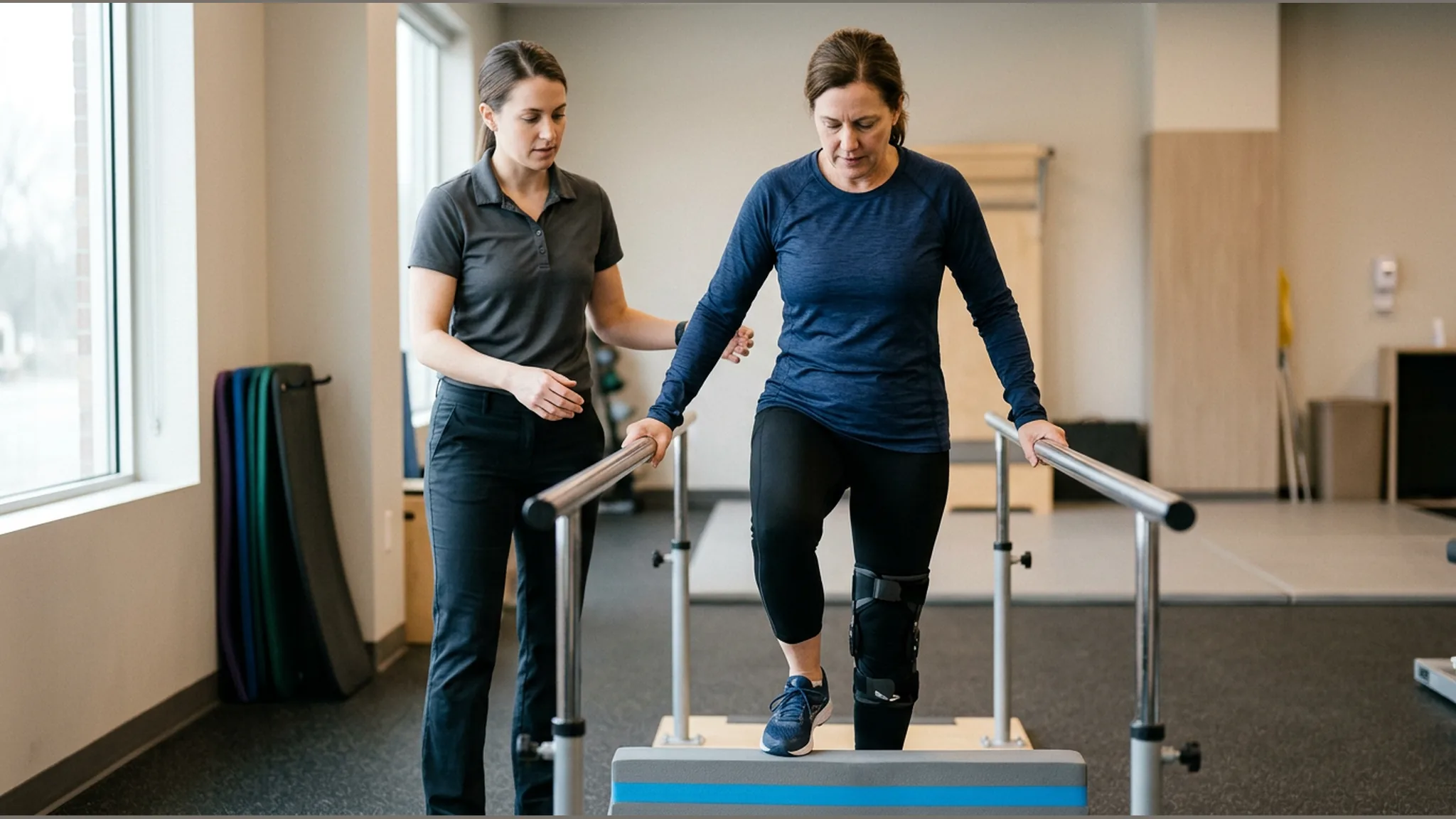
CRPS can affect movement and use of a limb, but the degree and type of limitation differ from person to person. A functional record is often more informative when it describes a concrete activity and what occurred than when it lists only a pain score.
Relevant activities may include walking, gripping, dressing, bathing, cooking, driving, sleeping, completing household tasks, or performing work duties. Entries should be accurate and should not overstate ability or inability. No one should perform a harmful activity simply to create documentation.
A CRPS diagnosis does not establish inability to work, permanency, future-care needs, or a fixed degree of impairment. Some severe or persistent presentations may create significant long-term functional concerns; our catastrophic-injury practice page provides broader context, but not every CRPS case is a catastrophic injury.
Photographs, video, and family observations are supplemental
A photograph or video may preserve the appearance of swelling, color change, or asymmetry at a particular time. Family members may also provide context about changes they observed. These materials cannot capture every Budapest category and do not replace a clinician’s examination or qualified causation evidence.
When images are preserved, keeping the original file and its metadata may help retain date and context. An image should not be edited in a way that changes the condition it depicts. If evidence is later used in litigation, authentication requirements may apply under Oregon Evidence Code Rule 901.
Prior records and alternative explanations
Prior medical history may be relevant because the CRPS diagnostic framework requires consideration of whether another condition better explains the presentation. Prior records may also matter when a clinician uses differential diagnosis to evaluate accident causation.
A preexisting pain complaint or condition does not automatically defeat a claim. Its significance depends on the individual facts. Records should be addressed accurately rather than selectively described or omitted.
Practical Next Steps Without Self-Diagnosing
If CRPS has been raised after an injury, practical next steps may include:
- Seek appropriate healthcare evaluation. New or worsening symptoms should be evaluated by a qualified healthcare professional rather than assessed through an online checklist.
- Keep an accurate chronology. Organize examinations, reported symptoms, clinician-observed findings, testing, treatment, response, and functional changes by date.
- Preserve existing materials. Keep medical records and original, unaltered image files that may show time-specific changes. Personal documentation supplements rather than replaces clinical records.
- Ask for case-specific advice when a claim issue arises. Causation questions, deadlines, and examination requests can depend on the kind of claim and its particular record.
Oregon law generally provides a two-year period under ORS 12.110(1) for covered actions involving injury to a person or another’s rights. That general rule is not a deadline calculation for a specific claim. The claim type, defendant, notice requirements, accrual and tolling rules, and requirements for commencing and serving an action can change the analysis. A later CRPS diagnosis does not automatically restart or extend a deadline.
After a civil lawsuit is filed, ORCP 44 permits a court to order a physical or mental examination when the relevant condition is in controversy. The order may be made only on motion for good cause shown and upon notice, and it must specify the time, place, manner, conditions, scope, and examiner. That process differs from an examination request arising under an insurance policy or benefits statute, which is outside this article’s scope. Not every insurer or defense examination should be labeled an “independent medical examination.”
Johnson Law provides information about the broader negligence framework on our Oregon personal-injury page. If you have questions about a disputed CRPS diagnosis, accident causation, a claim deadline, or an examination request, you may contact Johnson Law to discuss the specific Oregon matter. No article can determine whether a claim should be accepted or predict its outcome.
Frequently Asked Questions About CRPS and Oregon Injury Claims
Does “disproportionate pain” mean a person is exaggerating?
No. “Disproportionate pain” is part of the CRPS medical diagnostic framework. It is not, by itself, a conclusion about credibility, accident causation, damages, or claim value.
Can a person diagnose CRPS by checking the Budapest criteria?
No. The criteria require a qualified clinical evaluation, signs observed at the examination, and consideration of whether another diagnosis better explains the presentation. An online overview cannot perform that evaluation.
Can CRPS findings change between medical visits?
Yes. CRPS signs and symptoms can fluctuate. One examination may not show everything documented at another visit. Earlier findings may matter to the chronology, but they do not automatically satisfy the current-sign requirement at a later diagnostic evaluation.
Does a normal MRI rule out CRPS?
No. No single MRI, blood test, nerve study, bone scan, or other test independently confirms or excludes CRPS. Testing may instead help identify nerve injury or evaluate competing explanations.
Does a CRPS diagnosis prove that an Oregon accident caused the condition?
No. Clinical diagnosis and legal causation answer different questions. When causation is medically complex, qualified expert evidence may be needed based on the particular issue and record. The diagnosis also does not itself prove fault or damages.
What records may help document CRPS-related changes over time?
Contemporaneous clinical findings, an accurate chronology of treatment and testing, specific records of day-to-day function, and properly contextualized images may help show what changed and when. Personal documentation does not replace medical evaluation or qualified causation evidence.
Educational and Scope Disclaimer
This article provides general educational information, not legal advice or medical advice. A person with new or worsening symptoms should consult an appropriate healthcare professional, and claim deadlines or insurer requests should be evaluated for the specific matter. This article addresses general Oregon personal-injury principles, not workers’ compensation, PIP, UM/UIM, medical-malpractice, or insurance-benefit rules.
Sources and Source Notes
- Harden et al., “Complex Regional Pain Syndrome: Practical Diagnostic and Treatment Guidelines, 5th Edition” — CRPS definition, manifestations, Budapest clinical criteria, treatment framework, and treatment-evidence limitations.
- National Institute of Neurological Disorders and Stroke, “Complex Regional Pain Syndrome” — CRPS types, symptoms, testing limitations, functional effects, and general treatment categories.
- Goebel et al., “The Valencia consensus-based adaptation of the IASP complex regional pain syndrome diagnostic criteria” — fluctuation of findings and application of the diagnostic framework.
- Haas v. Estate of Carter, 370 Or 742, 525 P3d 451 (2023) — Oregon factual-causation principles.
- Baughman v. Pina, 200 Or App 15, 113 P3d 459 (2005) — expert evidence and reasonable medical probability for complex medical-causation questions.
- Marcum v. Adventist Health System/West, 345 Or 237, 193 P3d 1 (2008) — differential diagnosis as a potential foundation for medical-causation testimony.
- Oregon Evidence Code, ORS 40.410–40.415 — Rules 702–703 governing expert testimony and its factual basis; the same chapter contains Rule 901 on authentication.
- ORS 12.110 — general Oregon limitations provision discussed in the deadline warning.
- Oregon Rules of Civil Procedure, ORCP 44 — court-ordered examinations in filed civil actions.
Source notes are provided for transparency and further reading. Medical and legal authorities should be applied to individual circumstances by appropriately qualified professionals.
Client-First Fee Promise
Client First = Bills First, Fees Second
Your unpaid medical bills do not have to make your lawyer's fee bigger. Johnson Law subtracts qualifying medical bills before calculating our fee, helping clients keep more of their settlement.
Applies to qualifying cases. Results vary.