Medical Malpractice Wrongful Death in Oregon: Proving the Delay Caused the Outcome
Medical Malpractice Wrongful Death in Oregon: Proving the Delay Caused the Outcome
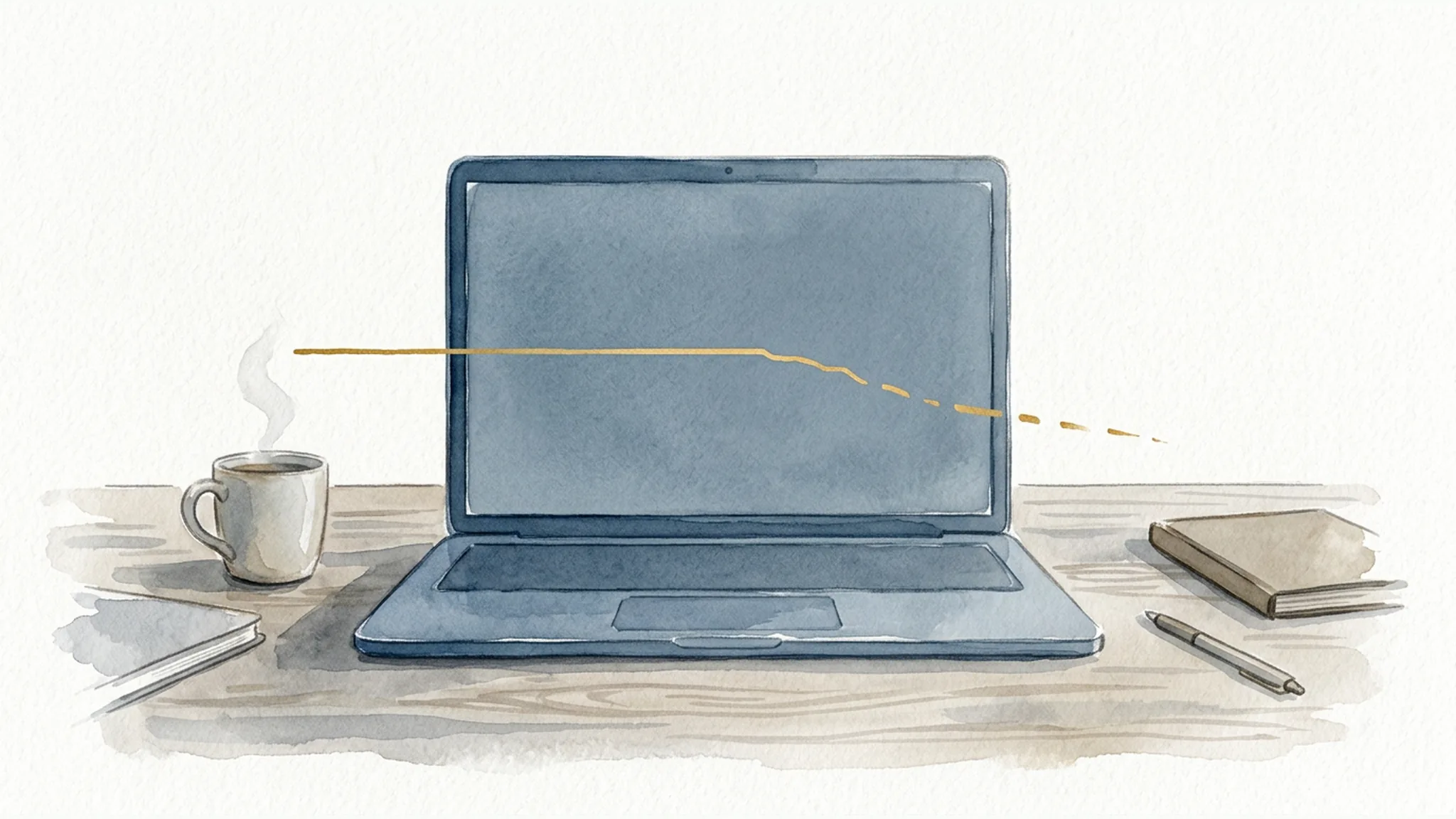
When a loved one dies after medical care, families often start with a painful set of questions: Were symptoms missed? Did a test result sit unread? Should the hospital have acted sooner? Would earlier treatment have changed what happened?
Those questions matter. But in an Oregon medical-malpractice wrongful death case, the legal question is usually narrower and harder: can the family prove that a provider’s negligent delay or error caused the death?
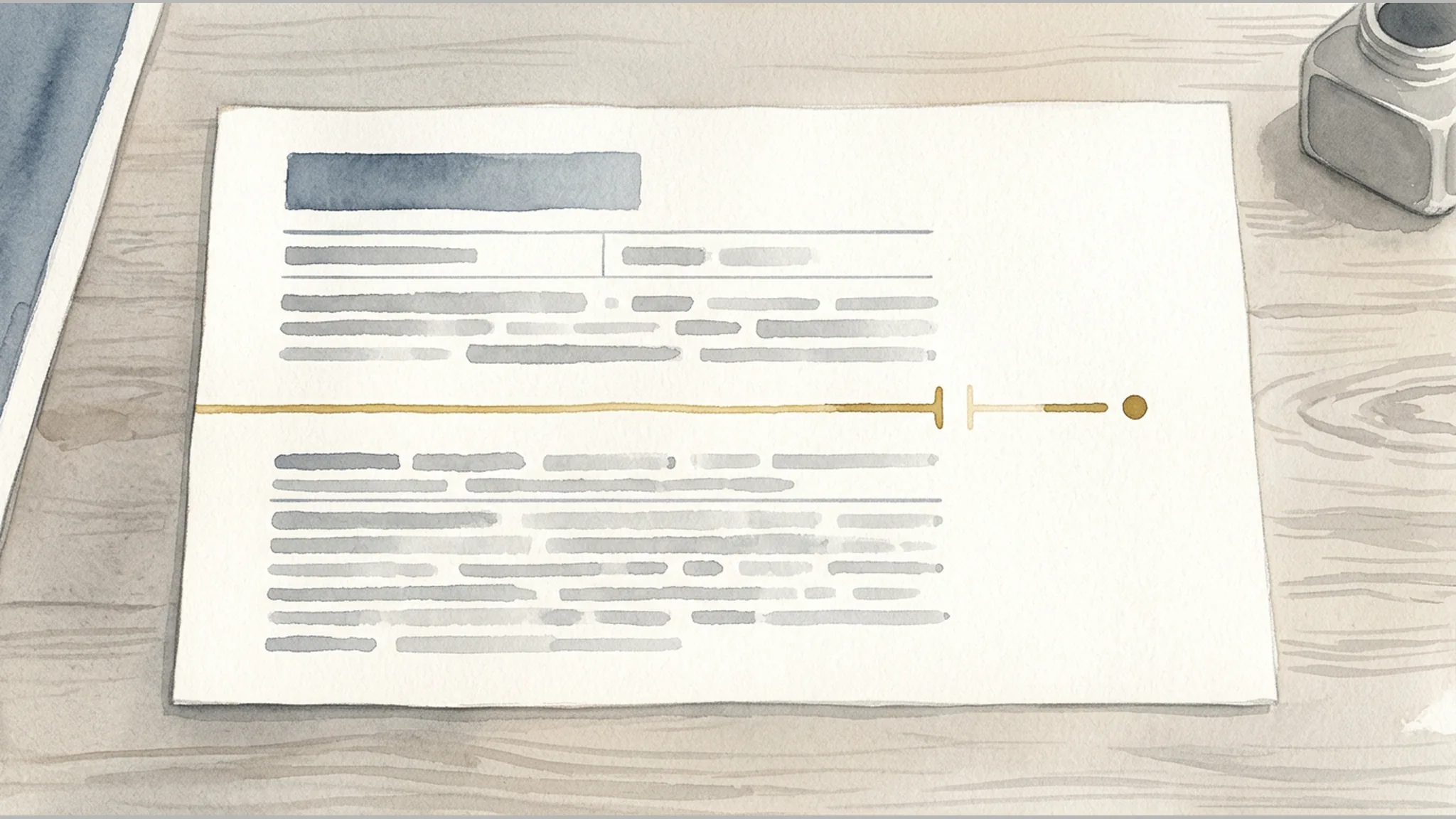
A bad outcome, abnormal lab result, changed diagnosis, or death after medical treatment does not by itself prove malpractice. The investigation usually begins with a timeline: what happened, when it happened, what information was available at the time, what a reasonably careful provider should have done, and whether earlier or different care probably would have changed the outcome.
This article is educational information for Oregon families. It is not legal advice and not medical advice. Medical causation and filing deadlines are fact-specific and usually require qualified professional review.
What an Oregon Wrongful Death Medical Malpractice Claim Has to Prove
Oregon wrongful death and medical negligence law use several related but separate concepts. It helps to keep them apart: who may bring the claim, what standard of care applied, whether that standard was breached, whether the breach caused the death, and what damages may be available.
The wrongful-death claim belongs to the personal representative
Oregon’s wrongful death statute, ORS 30.020, allows the decedent’s personal representative to bring an action for listed beneficiaries when death was caused by another person’s wrongful act or omission, if the decedent could have brought an action had they lived.
That means a wrongful death case is not simply an informal family complaint. It is a statutory claim brought through the personal representative for the benefit of the people the statute identifies. For a broader overview of claim structure, families may also want to review Johnson Law’s page on Oregon wrongful death claims.
The medical-negligence question starts with the standard of care
In a medical malpractice case, the first question is usually whether the provider failed to meet the applicable standard of care. For Oregon physicians, ORS 677.095 requires the degree of care, skill, and diligence used by ordinarily careful physicians in the same or similar circumstances in the community or a similar community.
That is not the same as asking whether the outcome was tragic, whether another provider later disagreed, or whether the diagnosis eventually changed. The standard-of-care question focuses on what reasonably careful medical care required under the circumstances known at the time.
Breach and causation are different questions
Even if a family can show that care fell below the standard of care, the case still must address causation. In practical terms: did the delay, missed diagnosis, monitoring failure, treatment error, transfer delay, or communication breakdown cause the death?
This distinction is central. A medical error may be real, but if the patient’s death would probably have occurred anyway because of the underlying condition, Oregon wrongful-death causation may be difficult or impossible to prove. On the other hand, if expert review supports that earlier or different care probably would have avoided the fatal outcome, causation may become the core evidence in the case.
Why Causation Is Often the Hardest Part of a Fatal Delay Case
Families often focus first on the delay: a scan was ordered late, sepsis was not recognized, stroke symptoms were treated as something less urgent, or a patient was sent home before deterioration. Those facts may be important. But they are only the beginning.
The question is what probably changed the outcome
In a fatal medical case, causation asks what would probably have happened if appropriate care had occurred sooner. Depending on the facts, that might involve questions such as:
- Would earlier testing have identified the condition in time?
- Would earlier antibiotics, surgery, transfer, consultation, monitoring, or escalation probably have prevented death?
- Would a reasonably careful provider have had enough information to act differently at the relevant time?
- Was the patient already so critically ill that the outcome was not preventable?
These questions are medical as well as legal. They usually cannot be answered from a family’s sense that “something was wrong” or from the fact that the outcome was devastating.
Complex medical causation usually requires experts
Oregon authority recognizes that most medical malpractice cases require expert testimony, especially on the standard of care. Expert testimony may not be required only in limited situations where the issue is within ordinary lay understanding.
Causation often requires expert testimony too. In Chouinard v. Health Ventures, an Oregon delayed-diagnosis case involving a brain tumor, the Court of Appeals treated causation as a complex medical question. The court affirmed a directed verdict where there was no expert testimony to a reasonable medical probability that the alleged negligence caused the claimed symptoms.
The lesson for families is not that every case turns out the same way. It is that complex questions about what earlier diagnosis or treatment would have changed usually need qualified expert review, not just suspicion, hindsight, or understandable anger.
Process evidence matters, but it is not the same as legal causation
Diagnostic-error research can help families and experts identify what may have gone wrong. The National Academies define diagnostic error to include failing to establish an accurate and timely explanation of the patient’s health problem or failing to communicate that explanation. AHRQ describes diagnostic error as missed, delayed, or incorrect diagnosis and notes that communication failures, teamwork problems, triage issues, and test-result follow-up failures can contribute.
Those process problems matter. They may point experts toward the right questions. But they do not automatically prove Oregon legal causation. A careful review still has to connect the process breakdown to the death, while accounting for what was known or reasonably knowable at the time. AHRQ also cautions against hindsight bias—judging a medical decision too easily after the outcome is known.
The Joshi Rule: Loss of Chance Is Not Enough for Oregon Wrongful Death
The most important Oregon caution in this area is the distinction between proving that negligence caused death and proving only that negligence reduced a patient’s chance of survival.
What Joshi held
In Joshi v. Providence Health System, the Oregon Supreme Court interpreted ORS 30.020 in a medical wrongful death case. The court held that the statute requires proof that the defendant’s negligent act or omission caused the decedent’s death—not merely that it increased the risk of death.
The expert testimony in Joshi could support only that the delay deprived the patient of at most a 30% chance of survival. The Oregon Supreme Court held that was not enough to prove wrongful-death causation under ORS 30.020.
What this means for families
This rule can be difficult to hear. A case may feel morally serious if earlier care would have given a loved one a better chance. But under Joshi, an Oregon wrongful death claim generally cannot rest only on proof that medical negligence reduced the patient’s chance of survival.
The case-specific question is stronger and more demanding: can qualified expert review support that the negligent delay or error caused the death, rather than only increased the risk or reduced the odds?
That does not mean families should assume there is no claim. It means the medical records, timeline, and expert opinions matter enormously.
Avoiding overstatement
Joshi should not be shortened to “loss of chance never matters in Oregon.” Oregon law includes an important distinction for living patients, discussed below. But for a statutory wrongful death claim under ORS 30.020, Joshi is the key causation warning.
The Smith Distinction: Living-Patient Loss-of-Chance Claims Are Different
Families may encounter Oregon discussions of “loss of chance” and wonder whether they conflict with Joshi. The answer depends on the type of claim.
Smith recognized a different kind of injury
In Smith v. Providence Health & Services—Oregon, the Oregon Supreme Court recognized that, for a living plaintiff in a common-law medical negligence case, loss of a substantial chance of a better medical outcome can be a cognizable injury.
Smith also describes professional negligence as requiring duty, breach, harm measurable in damages, and causation—a causal link between the breach and the harm.
Why Smith does not erase Joshi in a wrongful-death case
Smith was not an ORS 30.020 wrongful death case. It involved a living plaintiff and a claimed loss of a substantial chance of a better medical outcome. That distinction matters.
For a wrongful death claim after a patient has died, Joshi remains the central Oregon authority: the family generally must prove that the negligent act or omission caused the death, not merely that it deprived the patient of some chance of survival.
When this distinction may matter in case evaluation
Some situations may raise questions beyond the wrongful death claim itself, including whether there were non-death injuries or other claims before death. Those issues require separate legal analysis and are not developed here. The main point for this article is narrower: do not collapse Smith’s living-plaintiff loss-of-chance rule with Joshi’s wrongful-death causation requirement.
Records That Help Experts Reconstruct Whether Earlier Care Would Have Mattered
Families do not have to prove the case themselves before asking for help. But preserving records and building a simple chronology can make expert review more focused. For a related discussion of why chart entries need context, see Medical Records Are Not the Whole Story.
Build a chronology from the chart
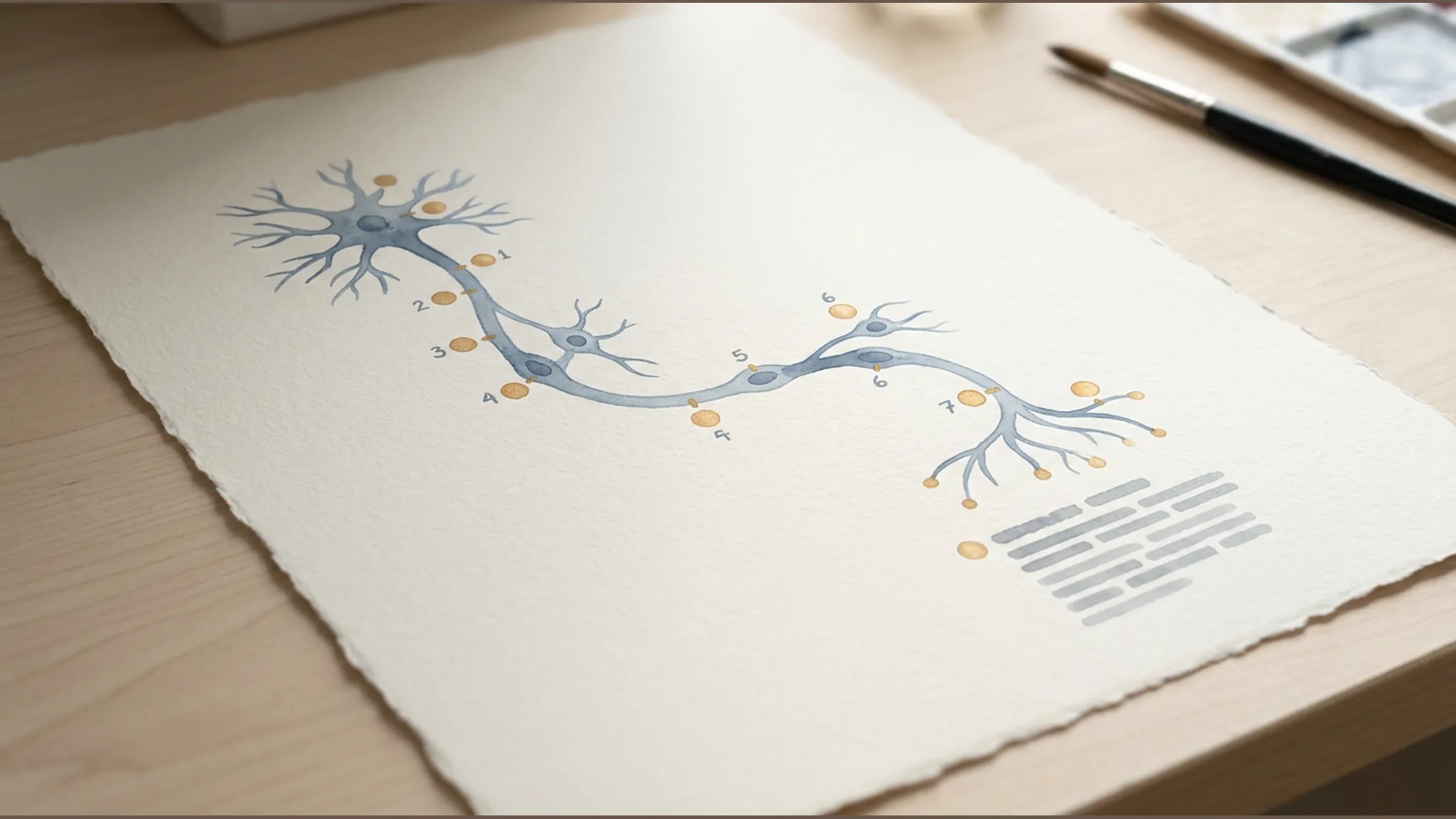
In a fatal delay or error case, the timing may be the evidence. Useful records and timeline points may include:
- when symptoms first appeared or were reported;
- calls, portal messages, triage notes, and nurse lines;
- emergency department arrival and assessment times;
- vital signs, abnormal labs, imaging orders, and imaging results;
- when results were available and who reviewed them;
- specialist consults, transfer discussions, or escalation notes;
- medication timing, including antibiotics or other urgent treatment when relevant;
- surgery, procedure, monitoring, or code notes;
- discharge instructions and return precautions;
- deterioration events;
- death certificate, autopsy materials, or death-related records, if available.
The goal is not to cherry-pick the chart. It is to reconstruct what happened in sequence so an expert can evaluate what should have happened and whether timing probably changed the outcome.
Look for timing and communication points
AHRQ identifies communication failures, teamwork failures, triage problems, and test-result follow-up failures as possible contributors to diagnostic error. In a wrongful death review, those issues may lead to questions such as:
- Was a critical result communicated promptly?
- Did a provider see and act on abnormal findings?
- Was the patient triaged appropriately based on the symptoms known at the time?
- Did handoffs between providers or facilities affect the timing of care?
- Were worsening symptoms recognized and escalated?
These questions should be evaluated with attention to the information available at the time, not only with knowledge gained after death.
Families can request records, but expert review is still key
Oregon Medical Board guidance and OAR 847-012-0000 state that OMB licensees must make medical records available to a patient or the patient’s representative upon request, with legal exceptions, within a reasonable time not exceeding 30 days. ORS 192.563 allows certain copying, postage, and related charges after authorization to disclose protected health information.
Families who are organizing records may find it helpful to use a medical records request letter and a treatment timeline. Those tools can help collect information, but they do not replace expert review on standard of care or causation.
Examples of Time-Sensitive Medical Contexts
Some medical conditions are time-sensitive, which is why delays can matter. But examples should not be mistaken for proof. Whether earlier care would probably have prevented death depends on the patient’s condition, timing, records, and expert opinions.
Sepsis
The CDC describes sepsis as a medical emergency. CDC clinical materials state that providers should immediately evaluate and treat people who might have sepsis and start antibiotics as soon as possible when sepsis is suspected. Sepsis can lead to tissue damage, organ failure, and death.
That timing context may be important in a case review. It does not mean every sepsis death is malpractice or that any specific patient would have survived with earlier treatment. The causation question still requires a case-specific medical opinion.
Stroke
CDC stroke materials state that quick treatment is critical and that certain stroke treatments work best only if the stroke is recognized and diagnosed within three hours of first symptoms; treatment eligibility varies. AHA/ASA guideline resources also emphasize that acute ischemic stroke is time-critical and that eligible patients should receive treatment as quickly as possible.
In a suspected missed-stroke case, the records may need to answer when symptoms began, what symptoms were reported, what evaluation occurred, what imaging or consultation was ordered, and whether earlier recognition probably would have changed the outcome. For more on condition-specific ER record review, see Missed Stroke in the ER: When “Migraine” or “Vertigo” Is the Wrong Call.
Other delayed-diagnosis or monitoring examples
Other fatal or catastrophic medical-delay questions may involve internal bleeding, delayed brain bleed, hypoxic-ischemic encephalopathy, compartment syndrome, or cauda equina syndrome. Those topics can involve their own timing and records issues, such as imaging and monitoring breakdowns after trauma, whether earlier care probably changed the outcome, or timeline reconstruction in delayed C-section and HIE reviews.
Related condition-specific discussions include failure to diagnose internal bleeding after trauma, delayed brain bleed after ER discharge, hypoxic-ischemic encephalopathy and delayed C-section records, compartment syndrome, and cauda equina syndrome. This article’s focus remains Oregon wrongful-death causation, not condition-specific medical advice.
How Experts Usually Evaluate “Would Earlier Care Have Changed the Outcome?”
An expert review is usually more than a general statement that care was poor. In a fatal delay case, the expert often has to connect several steps.
The expert compares what happened with what should have happened
First, an expert may evaluate the standard of care. That review may include what information was available, what symptoms were documented, what test results existed, what differential diagnoses or treatment choices were reasonable, and what an ordinarily careful provider would have done in similar circumstances.
This is where the timeline matters. A five-hour delay, a missed abnormal result, or a failure to escalate care may be significant only if the standard of care required a different response at that time.
The expert then addresses medical probability, not just possibility
Second, the expert usually must address whether the breach caused the fatal outcome. In complex delayed-diagnosis cases, Oregon authority such as Chouinard underscores the need for expert causation testimony to a reasonable medical probability.
This is different from saying earlier care might have helped. Possibility may explain why a family has questions. Wrongful-death causation generally requires stronger support: that the negligent delay or error caused the death under the applicable legal standard.
The defense may point to underlying disease severity or unavoidable outcome
Many medical wrongful death cases involve patients who were already seriously ill or injured. A defense may argue that the underlying condition was too advanced, that the patient was not eligible for a treatment, that the outcome was not preventable, or that providers acted reasonably based on what they knew at the time.
That is one reason hindsight can be misleading. The review has to ask not only what is known after death, but what should reasonably have been recognized and done before the fatal decline.
Deadlines: Why Families Should Not Wait to Investigate
Oregon filing deadlines can be unforgiving. Families should avoid waiting until every question feels answered before seeking legal guidance.
Oregon wrongful-death timing under ORS 30.020
ORS 30.020 states that a wrongful death action must be commenced within three years after the injury causing death is discovered or reasonably should have been discovered by the decedent, personal representative, or a statutory beneficiary who is not the wrongdoer.
The statute also includes an outside limit: in no case may the action be commenced later than the earlier of three years after death or the longest applicable statute of ultimate repose for the act or omission, including ORS 12.110(4).
Medical-treatment limitation and repose rules may also matter
ORS 12.110(4) generally requires actions for injuries arising from medical, surgical, or dental treatment, omission, or operation to be commenced within two years from discovery or reasonable discovery. It also includes a five-year outside limit from the treatment, omission, or operation, except in cases involving fraud, deceit, or misleading representation.
Deadline analysis is case-specific
Wrongful-death timing and medical-malpractice timing can overlap. The date of death, date of treatment, date of discovery, role of the personal representative, and repose issues may all matter. This article cannot calculate a deadline for any specific family.
The practical point is simple: if a family suspects that a medical delay or error contributed to death, prompt investigation matters.
What Families Can Do Before Speaking With a Lawyer
Grieving families should not feel responsible for solving every medical and legal issue alone. A few careful steps can preserve information without overreaching.
Preserve records and build a simple timeline
Gather the names of facilities and providers, dates and times of care, discharge paperwork, portal messages, medication lists, lab or imaging notices, and family notes about symptoms or communications. If records are requested, keep copies of the request and any response.
Do not alter records or pressure medical staff for admissions. The goal is to preserve what exists and organize the sequence of events.
Write down key unanswered questions
Helpful questions may include:
- When were symptoms first reported?
- When were critical tests ordered and resulted?
- Who reviewed the results?
- When did the condition worsen?
- What treatment, transfer, consultation, or monitoring occurred?
- What would an expert need to know to assess whether earlier care probably changed the outcome?
Those questions can help focus a records review, but they are not substitutes for medical expert analysis.
Be cautious with assumptions and online conclusions
It is natural to search for answers after a death. But online information rarely answers the key causation question for a specific patient. Medical causation often requires the full chart, relevant timing, and expert interpretation.
Conclusion: The Core Question Is Causation, Not Just Delay
In an Oregon medical-malpractice wrongful death case, a delay or medical error matters legally only if it can be connected to the death. The investigation usually turns on the records, the timeline, the applicable standard of care, and expert opinions about medical probability.
Joshi and Smith make the loss-of-chance issue especially important. Joshi requires proof that negligence caused death in an ORS 30.020 wrongful death claim; Smith recognized a different kind of loss-of-chance injury for a living plaintiff. Families should not assume those rules mean the same thing.
If your family is trying to understand whether delayed diagnosis, delayed treatment, or a medical error contributed to a death in Oregon, a careful records-and-timeline review can help identify the right questions. Johnson Law can discuss the process in a case-specific way, without promising that any investigation will lead to a claim or particular result.
FAQ
Can we bring an Oregon wrongful death claim if delayed diagnosis reduced my loved one’s chance of survival?
Maybe, but the legal issue is more demanding than a reduced chance alone. Under Joshi, ORS 30.020 wrongful death requires proof that the negligence caused the death, not merely that it increased the risk of death or reduced survival chances. The facts, records, and expert opinions matter.
Does Smith mean Oregon recognizes loss-of-chance claims in fatal medical malpractice cases?
Smith should not be read that broadly. Smith involved a living plaintiff in a common-law medical negligence claim and recognized loss of a substantial chance of a better medical outcome as a cognizable injury. It did not erase Joshi’s wrongful-death causation rule under ORS 30.020.
Do Oregon medical malpractice wrongful death cases require expert witnesses?
Usually, yes. Oregon medical malpractice cases commonly require expert testimony on the standard of care, and complex medical causation often requires expert testimony as well. Oregon cases recognize narrow exceptions for issues within ordinary lay understanding, but fatal delayed-diagnosis or treatment-causation questions are often medically complex.
What records are most important after a fatal delayed diagnosis or medical error?
The chart timeline is often central. Symptom reports, triage notes, vitals, orders, lab and imaging timing, consult notes, medication or treatment timing, transfer notes, discharge instructions, deterioration events, and death-related records may all matter. An expert generally must interpret what those records mean for standard of care and causation.
How long do families have to file an Oregon medical malpractice wrongful death claim?
Deadline analysis is case-specific. ORS 30.020 includes wrongful-death timing rules, and ORS 12.110(4) may also matter for medical-treatment injuries, including limitation and repose provisions. Families should seek prompt legal guidance rather than relying on a generic deadline calculation.
Is a hospital investigation or medical board outcome enough to prove malpractice?
No. ORS 677.095(3) states that, in professional-liability suits, actions, or arbitrations against health care providers, an issue may not be precluded based on the outcome of an investigation or administrative proceeding. Civil malpractice proof still requires the legal elements, including standard of care, breach, causation, and damages.
Source Notes
- ORS 30.020: Oregon wrongful death authority, personal-representative structure, and timing language.
- ORS 12.110(4): medical-treatment injury limitation and repose rules.
- ORS 677.095: Oregon physician standard-of-care language and subsection (3) regarding administrative or investigative outcomes.
- Joshi v. Providence Health System, 342 Or 152 (2006): Oregon wrongful-death causation and the insufficiency of proof that negligence only deprived the decedent of at most a 30% chance of survival.
- Smith v. Providence Health & Services—Oregon, 361 Or 456 (2017): living-plaintiff loss-of-substantial-chance distinction and professional-negligence element framing.
- Chouinard v. Health Ventures, 179 Or App 507 (2002): complex delayed-diagnosis causation requiring expert testimony to reasonable medical probability.
- Trees v. Ordonez, Thorson v. Bend Memorial Clinic, and Oregon State Bar public medical-malpractice information: expert-testimony context for Oregon malpractice claims.
- National Academies, Improving Diagnosis in Health Care, and AHRQ PSNet diagnostic-error materials: diagnostic-error definitions, process factors, and hindsight caution.
- CDC sepsis and stroke materials, and AHA/ASA acute ischemic stroke guideline resources: limited time-sensitive medical context examples.
- Oregon Medical Board patient-record guidance, OAR 847-012-0000, and ORS 192.563: medical-record availability timing and possible copying-cost points.
Client-First Fee Promise
Client First = Bills First, Fees Second
Your unpaid medical bills do not have to make your lawyer's fee bigger. Johnson Law subtracts qualifying medical bills before calculating our fee, helping clients keep more of their settlement.
Applies to qualifying cases. Results vary.