Pedestrian Hit by a Left-Turn Driver in Oregon: Why “Failure to Yield” May Not Be Enough

Pedestrian Hit by a Left-Turn Driver in Oregon: Why “Failure to Yield” May Not Be Enough
If a left-turning driver hit you while you were walking in Oregon, “failure to yield” may be the beginning of the liability analysis—not the end of it. The stronger question is usually more specific: where was the pedestrian, what signal was displayed, what type of left-turn phase was operating, how fast was the driver turning, what could each person see, and what evidence still exists to prove it?
That matters because a pedestrian crash claim can become disputed even when the driver received a citation, admitted they did not see the pedestrian, or says they “had a green light.” Oregon law looks at driver duties, pedestrian duties, and comparative fault. Evidence that seems small at first—signal timing, video, a blocked sightline, or phone use—can change how fault is understood.
This article focuses on Oregon law, with Portland examples where city records and signal resources may be relevant. It is educational information only and is not legal advice for any specific crash.
Why a Left-Turn Pedestrian Crash Can Be More Complicated Than It Looks
Left-turn pedestrian crashes often happen in a confusing moment: the pedestrian is crossing, the driver is turning across the intersection, and each side may believe the signal supported their movement. Afterward, the crash may get summarized in a few words: “failure to yield.”
That label can be useful, but it may not answer the questions an insurer, lawyer, judge, or jury will care about. For example:
- Was the pedestrian in a marked crosswalk, an unmarked intersection crosswalk, or outside a crosswalk?
- Did the pedestrian enter on a Walk signal, during a clearance interval, or after a Wait/Don’t Walk signal?
- Was the driver’s left turn protected, permitted, protected-permitted, or variable depending on time of day or pedestrian activation?
- Did the driver turn too fast for the conditions, cut the corner, swing wide, or look away at a phone or navigation screen?
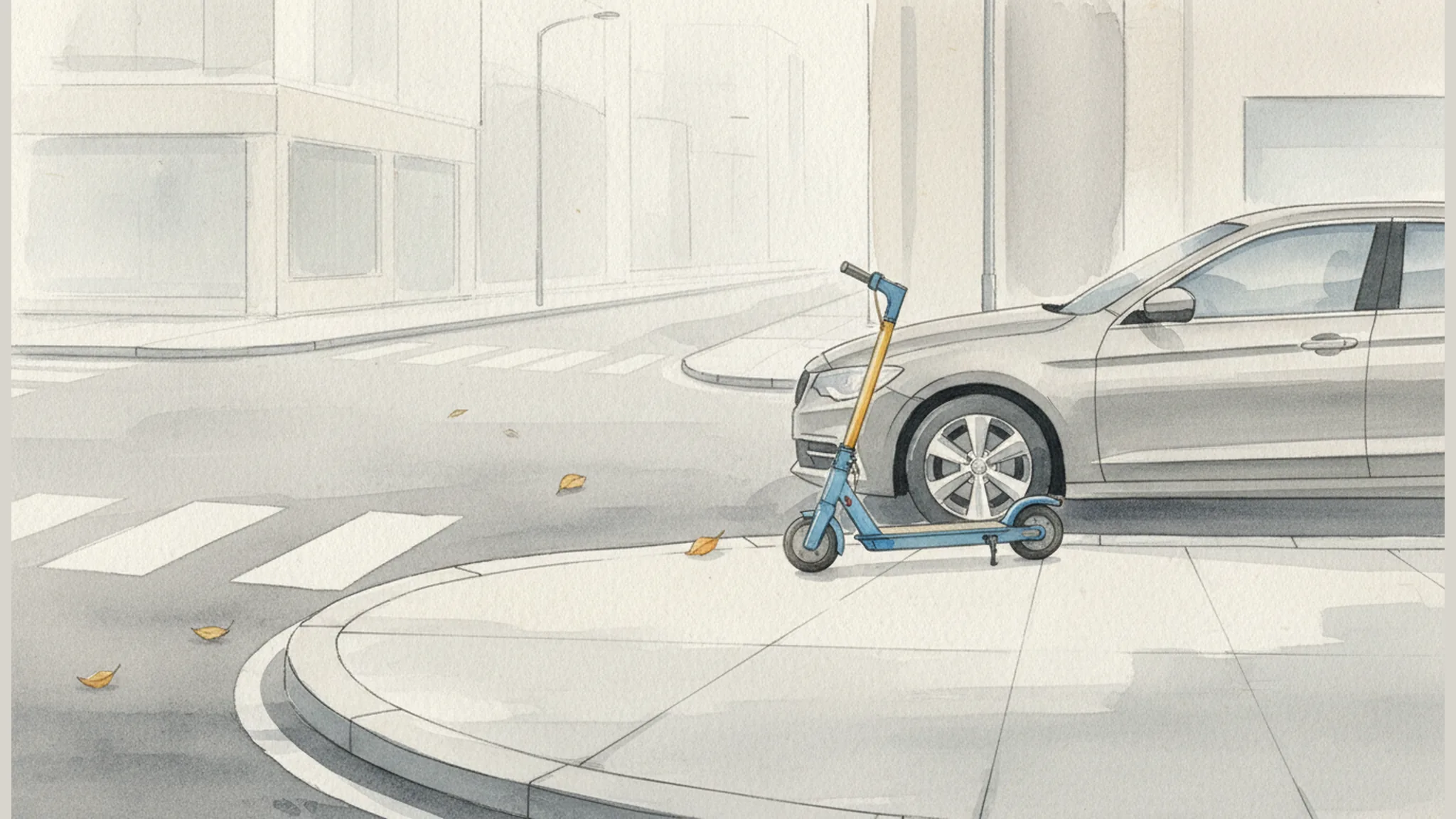
- Were parked vehicles, lighting, glare, signs, utility poles, vegetation, or large vehicles blocking sightlines?
Those details matter because Oregon uses a comparative-fault system. Under ORS 31.600, a claimant’s own negligence does not automatically bar recovery if the claimant’s fault is not greater than the combined fault compared under the statute, but damages are reduced by the claimant’s percentage of fault. For a deeper overview, see our guide to Oregon comparative fault in crash claims.
The practical takeaway: do not assume that a citation, a police narrative, or the words “failure to yield” fully protect the claim. They may help, but the evidence behind the label is what usually matters.
The Legal Duties That May Matter in an Oregon Pedestrian Left-Turn Case
Several Oregon rules can matter in a left-turn pedestrian crash. The point is not to memorize statute numbers. The point is to understand why the case may depend on crosswalk status, signal status, driver care, speed, and turn path.
Crosswalk and Pedestrian-Signal Rules
Oregon’s crosswalk-stop rule, ORS 811.028, requires a driver to stop and remain stopped for a pedestrian who is proceeding according to a traffic control device or crossing in a crosswalk when the pedestrian is in the required proximity to the driver’s lane or the lane into which the driver is turning. The statute also defines when a pedestrian is “crossing in a crosswalk”: when any part or extension of the pedestrian—including a body, wheelchair, cane, crutch, or bicycle—moves onto the roadway in a crosswalk with intent to proceed.
Pedestrian signals can also be central. Under ORS 814.010, a pedestrian facing a Walk signal or approved pedestrian symbol may proceed in the direction of the signal. A pedestrian may not start crossing on a Wait or Don’t Walk signal. If the pedestrian started on Walk and the signal changes, the pedestrian must proceed with dispatch to a sidewalk or safety island.
Oregon also has pedestrian-failure-to-yield rules. Under ORS 814.040, a pedestrian may violate the rule by suddenly leaving a curb or other place of safety and moving into the path of a vehicle so close as to constitute an immediate hazard, or by crossing outside a marked crosswalk or unmarked intersection crosswalk without yielding.
Those rules are why an Oregon pedestrian claim may turn on exactly when and where the pedestrian entered the roadway—not just whether the driver turned left. For more background, see Oregon pedestrian law basics and the related discussion of a pedestrian hit in a crosswalk after allegedly stepping out too fast.
Driver Due Care, Speed, and Careless Driving
Oregon law does not reduce the case to “who had the right of way.” ORS 811.005 states that the Oregon Vehicle Code does not relieve either drivers or pedestrians from the duty to exercise due care concerning pedestrians.
Speed can matter even if the driver says they were under the posted limit. Oregon’s basic speed rule, ORS 811.100, prohibits driving faster than is reasonable and prudent considering conditions such as traffic, roadway surface and width, intersection hazards, weather, visibility, and other existing conditions. ORS 811.108 also makes clear that a speed limit does not authorize a speed higher than the basic speed rule allows.
In practical terms, a left-turning driver may need to slow enough to see and respond to pedestrians in the crosswalk, lighting conditions, parked vehicles, and the turn path. A driver may also face scrutiny under Oregon’s careless-driving statute, ORS 811.135, when driving endangers or would likely endanger a person or property.
Left-Turn Path and Left-Turn Context
Not every left-turn rule is a pedestrian right-of-way rule. That distinction matters.
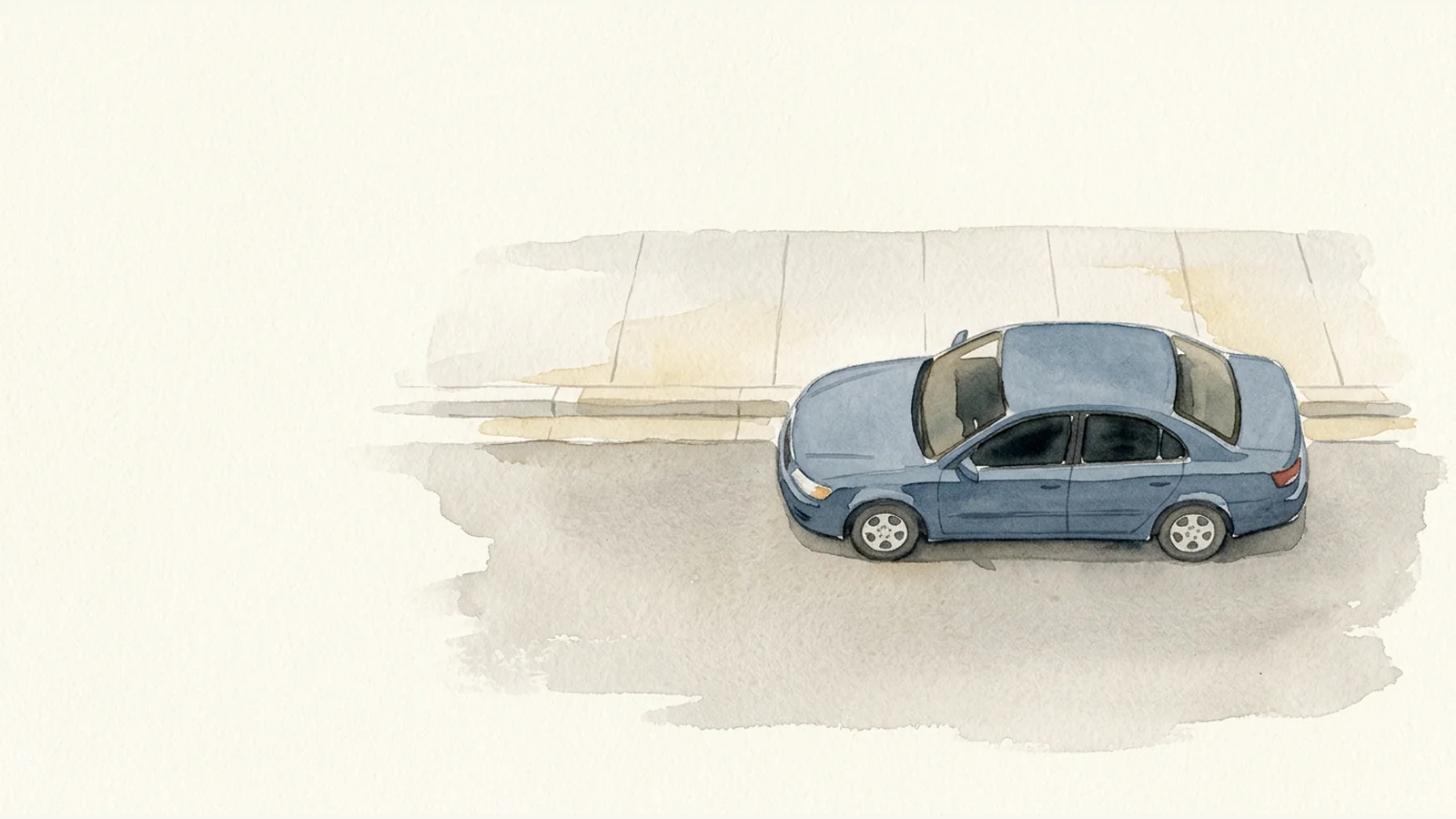
Oregon’s left-turn execution rule, ORS 811.340, addresses how a driver must make a left turn, including approaching in the extreme left-hand lane lawfully available, turning left of the center of the intersection when practicable, and leaving into the extreme left-hand lane lawfully available on the roadway entered. This can matter if the driver cut the corner, swung wide, used the wrong lane, or took an unexpected path through the crosswalk.
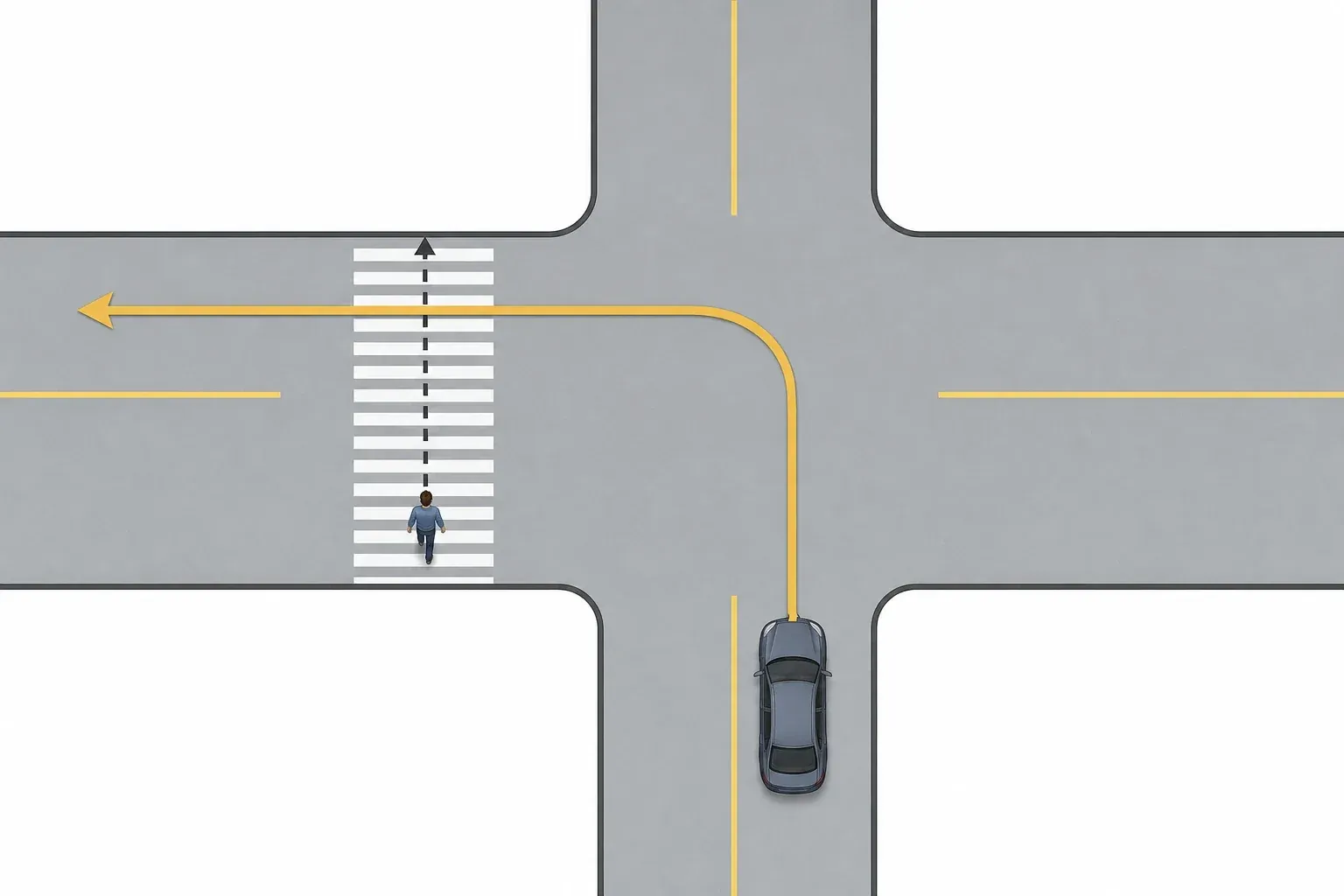
The projected left-turn path crosses the pedestrian’s path in the crosswalk on the roadway the driver enters.
Oregon’s “dangerous left turn” statute, ORS 811.350, is also relevant context for left-turn crashes, but it is not the main pedestrian-yield statute. ORS 811.350 addresses left turns involving oncoming vehicles. In pedestrian-left-turn cases, the analysis usually relies more directly on crosswalk rules, pedestrian-signal rules, due care, speed, distraction, sightlines, and comparative fault.
For general left-turn collision context, see our separate article on how left-turn fault is evaluated in Oregon crashes. This article stays focused on pedestrian-specific issues.
Why “The Driver Had a Green Light” May Not Answer the Real Question
A driver’s green light can be an important fact. But in a pedestrian left-turn case, it may not answer the most important questions.
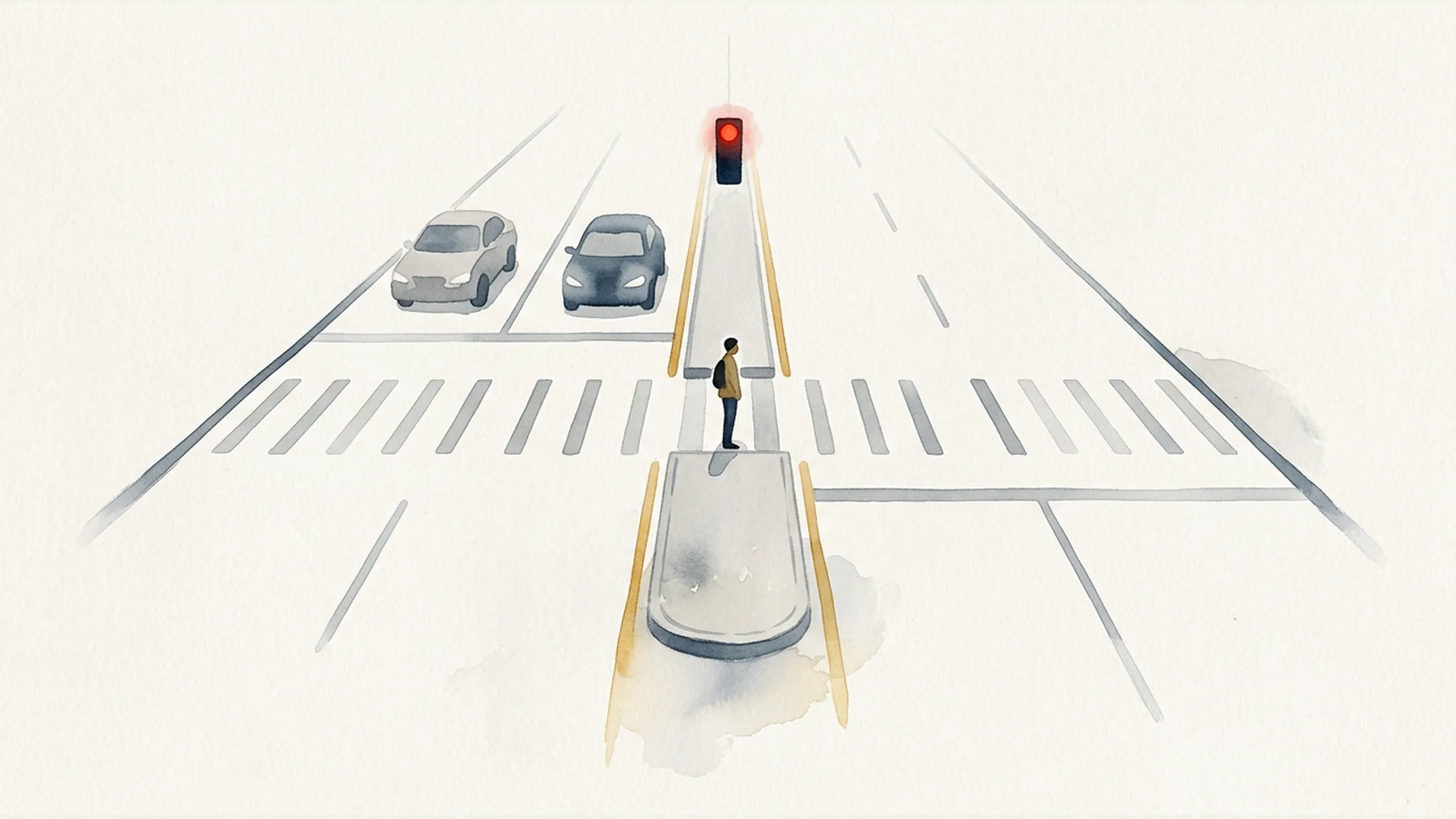
At many signalized intersections, drivers and pedestrians may have overlapping movements. A driver may have a green signal while a pedestrian also has a Walk signal in the crosswalk the driver is turning across. The more precise question is what movements were allowed at that moment and what yielding duties applied.
Protected, Permitted, and Protected-Permitted Left Turns
Portland Bureau of Transportation guidance distinguishes among left-turn signal modes:
- A protected left turn is designed to separate the left-turn movement from conflicting movements, though the specific signal display and intersection context still matter.
- A permitted left turn requires drivers to yield to conflicting vehicles, bicyclists, and pedestrians.
- Protected-permitted phasing combines those modes.
Those categories can matter in a left-turn pedestrian crash because “the driver had a green” may be incomplete. Was it a protected arrow? A circular green with a duty to yield? A protected-permitted sequence? Was a pedestrian movement active at the same time?
The answer may require more than witness memory. It may require signal timing records, phasing documentation, controller information if available, or intersection-specific drawings.
Variable Signal Modes and Pedestrian Head Starts
Portland signal operations can also vary by intersection and circumstances. PBOT’s left-turn signal-control guide describes variable left-turn modes based on factors such as time of day, gaps in oncoming traffic, or the presence of conflicting pedestrians. The guide also notes that a permitted portion may be omitted when there is a conflicting pedestrian movement or inadequate gaps.
Portland also uses Pedestrian Head Starts, also called Leading Pedestrian Intervals, at some locations. PBOT describes these as giving pedestrians a Walk signal several seconds before drivers get a green light so pedestrians can begin crossing before turning traffic starts. PBOT’s safer-intersections materials also describe protected left-turn signals as separating left-turning drivers from people in crosswalks.
The important point is not that every Oregon or Portland intersection has these features. Many do not. The point is that signal design can be intersection-specific, and the records may matter when the driver’s story is simply, “I had a green.”
Evidence That Can Change a Left-Turn Pedestrian Case
Because fault often turns on details, early evidence preservation is critical. Some records are public or official. Others may disappear quickly unless someone identifies and preserves them.
Signal Timing and Intersection Records
Signal records may help clarify:
- The pedestrian signal displayed when the pedestrian entered.
- Whether the left turn was protected, permitted, protected-permitted, flashing-yellow-arrow, or variable.
- Whether a Pedestrian Head Start or Leading Pedestrian Interval applied.
- Whether turn restrictions, turn-yield-to-pedestrians signs, stop bars, markings, or other intersection features were present.
In Portland, PBOT’s Signals and Street Lighting materials identify resources such as traffic signal record drawings and the PBOT Guide for Determining Left Turn Signal Control. Depending on the intersection and what exists, relevant requests may include signal timing or phasing records, controller logs if available, record drawings, and other intersection-specific signal documentation.
Video, Police Records, and Body-Worn-Camera Footage
Video can be important, but it can also be short-lived. Potential sources may include:
- Business or building surveillance footage.
- Dashcam footage.
- Bus, TriMet, Portland Streetcar, or other transit-related video, if available.
- Traffic or intersection camera footage, if recorded and retained.
- Police mobile video or body-worn-camera footage, if recorded.
Portland Police Bureau records pages state that traffic crash reports, mobile video if recorded, and body-worn-camera footage may be requested through public-records or traffic-discovery channels, subject to the listed procedures, fees, processing details, redactions, and whether the material exists.
The key is timing. Surveillance footage, dashcam clips, bus video, body-worn-camera footage, and private-business video may be overwritten quickly. If a claim may be made, it is wise to think about preserving crash evidence before it is overwritten.
Speed, Distraction, and Turn Path
Speed evidence may include video, witness observations, vehicle data, telematics, dashcam footage, or physical scene evidence. The basic speed rule can matter even when the driver was below the posted speed limit, because the question is whether the speed was reasonable and prudent for the intersection, visibility, traffic, weather, and pedestrian conflict.
Distraction evidence can also matter. Oregon’s mobile-electronic-device statute, ORS 811.507, generally prohibits operating a motor vehicle on a highway while using a mobile electronic device unless a statutory exception applies. In a disputed crash, phone-use evidence, app records, infotainment logs, navigation activity, and witness observations may help determine whether the driver was looking where they needed to look. For a related discussion, see our article on phone evidence in distracted-driving crashes.
Turn path is another practical issue. A driver who cuts the corner, swings wide, turns from the wrong lane, or accelerates through the turn may create a different risk than a driver who turns slowly and predictably.
Sightlines, Lighting, and Obstructions
Left-turn pedestrian crashes often involve visibility disputes. The driver may say the pedestrian “came out of nowhere.” The pedestrian may say they were plainly in the crosswalk. Both statements need evidence.
Useful documentation may include:
- Parked vehicles near the crosswalk.
- Vegetation, utility poles, signs, construction materials, or large vehicles.
- Street lighting, glare, weather, and time of day.
- Crosswalk markings, stop bars, pedestrian signs, and turn-yield-to-pedestrians signs.
- Street geometry, curb extensions, and the driver’s likely line of sight through the turn.
PBOT’s Traffic Design Manual includes discussion of turning-vehicles-stop-for-pedestrians signs and crosswalk vision clearance. PBOT’s vision-clearance guidance also explains that setting back on-street parking from approaches to crosswalks can make people crossing the street and people riding bicycles more visible to drivers, and references 20-foot setbacks at specified uncontrolled approaches.
Those materials do not decide any individual crash by themselves. But they support a practical point: document the scene before it changes. If the crash happened in low light, glare, or poor weather, the related article on visibility arguments in nighttime pedestrian crashes may also be useful.
Police Reports, DMV Reports, and Crash Data Are Helpful—But Not the Whole Case
Official records matter. They can include diagrams, statements, officer observations, citations, reported injuries, and sometimes clues about distraction or impairment. But they are not the entire civil-liability analysis.
What These Records Can Show
Oregon DMV states that drivers involved in a reportable collision must submit an Oregon Traffic Collision and Insurance Report within 72 hours when injury or death results, damage to the driver’s vehicle exceeds $2,500, damage to any vehicle exceeds $2,500 and any vehicle is towed from the scene, or nonvehicle property damage exceeds $2,500. DMV also states that a police report does not replace the driver’s DMV reporting requirement.
Drivers should be careful to preserve a copy of their own DMV report before submitting it, because DMV’s crash-reporting page states that DMV cannot provide a person with a copy of that person’s own report under ORS 802.220(5).
In Portland, police and public-records channels may provide access to traffic crash reports and, where it exists and is releasable, mobile video or body-worn-camera footage. ODOT’s Crash Analysis & Reporting Unit maintains crash data and reports and maintains ten years of crash data at all times.
What These Records May Miss
Official records may be incomplete or delayed. Portland’s crash-data explanation states that Oregon crash data starts with self-reports or police reports, that ODOT compiles the official crash record, and that Portland Police Bureau investigations can add information such as impairment or distraction. Portland also states that ODOT’s official crash record is typically released 12 to 18 months after the end of the reported year, and that most crash data relies on self-reported information.
That means crash databases and dashboards can help with context or historical patterns, but they do not replace incident-specific proof. A claim may still need video, signal records, photographs, witness statements, phone-use evidence, and scene documentation.
How Oregon Comparative Fault Can Become the Real Fight
In many left-turn pedestrian cases, the driver’s insurer does not deny that a collision happened. Instead, it argues that the pedestrian caused or contributed to it.
Common comparative-fault arguments include:
- The pedestrian crossed outside a marked or unmarked crosswalk.
- The pedestrian started on Wait or Don’t Walk.
- The pedestrian stepped into traffic too suddenly.
- The driver had a green light.
- Lighting, dark clothing, glare, or an obstruction made the pedestrian difficult to see.
Some of those arguments may be valid in a specific case. Others may be weakened once the signal sequence, crosswalk location, video, and sightlines are examined. Oregon’s comparative-fault statute makes those details important because the claimant’s damages can be reduced by the claimant’s percentage of fault, and recovery can be barred if claimant fault is greater than the combined fault compared under ORS 31.600.
That is why a “failure to yield” label may not be enough. The central dispute may be over whether the pedestrian entered lawfully, whether the driver should have seen the pedestrian, whether the driver turned too fast, and whether additional evidence shifts the fault allocation.
Practical Steps After a Left-Turn Pedestrian Crash in Oregon
The right next steps depend on the facts and the severity of the injuries. In general, the most useful early steps are aimed at preserving information before memories fade and records disappear.
Preserve What May Disappear
Identify possible video sources quickly. Look for nearby businesses, apartment buildings, buses, transit vehicles, dashcams, delivery vehicles, and other cameras that may have captured the intersection or the moments before impact. If police responded, consider whether body-worn-camera footage, mobile video, 911/CAD records, officer notes, or traffic crash materials may exist.
If there is reason to believe the driver was distracted, preserve any facts that support that concern: witness observations, statements at the scene, phone-in-hand observations, navigation or rideshare/delivery app use, and any relevant vehicle or infotainment evidence.
Document the Intersection and Signal Setup
If it can be done safely, document the scene as soon as possible. Photograph or record:
- Crosswalk markings and whether the crosswalk is marked or unmarked.
- Pedestrian signals and push buttons.
- Left-turn arrows, circular signals, turn restrictions, and yield-to-pedestrians signs.
- Stop bars, lane markings, and the path a turning vehicle would take.
- Lighting, shadows, glare, weather, vegetation, construction, parked vehicles, and other sightline issues.
In Portland, PBOT signal resources and record drawings may help explain the intersection setup, but scene photos are still useful because streets, signs, parking, construction, and visibility conditions can change.
Be Careful With Early Assumptions
Early labels can be misleading. “The driver had a green” may not address the pedestrian signal or left-turn mode. “The pedestrian stepped out” may not address whether the pedestrian had already entered the crosswalk with a Walk signal. “Failure to yield” may not address speed, distraction, sightlines, or comparative fault.
Try to separate assumptions from evidence. Write down what you personally remember, preserve photos and medical records, and avoid guessing about signal timing or speed if you do not know.
When to Talk With an Oregon Pedestrian Injury Lawyer
Legal help may be useful when a left-turn pedestrian crash involves serious injuries, disputed signals, missing or time-sensitive video, public-records requests, claims that the pedestrian crossed improperly, suspected distraction, or complicated sightline issues.
An Oregon pedestrian injury lawyer can help identify records to request, send preservation requests for time-sensitive video, evaluate comparative-fault arguments, and connect the legal rules to the actual evidence. If the crash happened in Portland, a Portland pedestrian accident lawyer can also evaluate city-specific records and intersection evidence that may be relevant.
Again, this article is educational information only. It is not legal advice, does not create an attorney-client relationship, and does not predict the outcome of any specific case.
FAQ
Is a left-turn driver automatically at fault if they hit a pedestrian in Oregon?
No. A left-turning driver may have important duties, especially where a pedestrian is lawfully crossing, but fault is not automatic. Oregon cases may also examine pedestrian signal status, crosswalk location, driver speed, turn path, sightlines, due care, and comparative fault.
Does a driver’s green light mean the pedestrian was at fault?
Not necessarily. A driver’s green light may coexist with a pedestrian Walk signal or a permitted left turn requiring the driver to yield to conflicting pedestrians. The specific pedestrian signal, left-turn mode, and intersection timing can matter.
What evidence matters most after a left-turn pedestrian crash?
Important evidence may include signal phase, crosswalk status, video, police records, body-worn-camera footage if recorded, speed evidence, distraction evidence, turn path, sightlines, lighting, and available crash records. Which evidence matters most depends on the disputed facts.
Can a pedestrian still recover if the insurer says they stepped out too fast?
Possibly. Oregon comparative fault can reduce damages and may bar recovery if the pedestrian’s fault is greater than the combined fault compared under ORS 31.600. But an insurer’s “stepped out” argument should be tested against the crosswalk location, signal timing, visibility, speed, and video or witness evidence.
Is the police report enough to prove my Oregon pedestrian crash claim?
Usually not by itself. A police report can be useful, but it may be incomplete and is not the same as a full civil-liability determination. Video, signal records, witness evidence, phone-use evidence, and scene documentation may also be important.
Why do signal records matter in a Portland left-turn pedestrian crash?
Portland signal operations can include protected, permitted, protected-permitted, variable modes, or Pedestrian Head Starts at some intersections. Records may help clarify what movements were active at the time of the crash. Not every record exists or is retrievable, but signal documentation can be important when the parties disagree about who had what signal.
Sources
- Oregon Legislature, ORS chapter 811
- Oregon Legislature, ORS chapter 814
- Oregon Legislature, ORS chapter 31
- Oregon DMV, Collision Reporting and Responsibilities
- ODOT, Crash Statistics & Reports
- PBOT, Signals and Street Lighting
- PBOT, Guide for Determining Left Turn Signal Control
- PBOT, Pedestrian Head Starts
- PBOT, Safer Intersections for Pedestrians
- Portland Police Bureau, Traffic Citations and records
Client-First Fee Promise
Client First = Bills First, Fees Second
Your unpaid medical bills do not have to make your lawyer's fee bigger. Johnson Law subtracts qualifying medical bills before calculating our fee, helping clients keep more of their settlement.
Applies to qualifying cases. Results vary.