Pedestrian Struck at Night: How Visibility Arguments Are Used to Blame the Victim
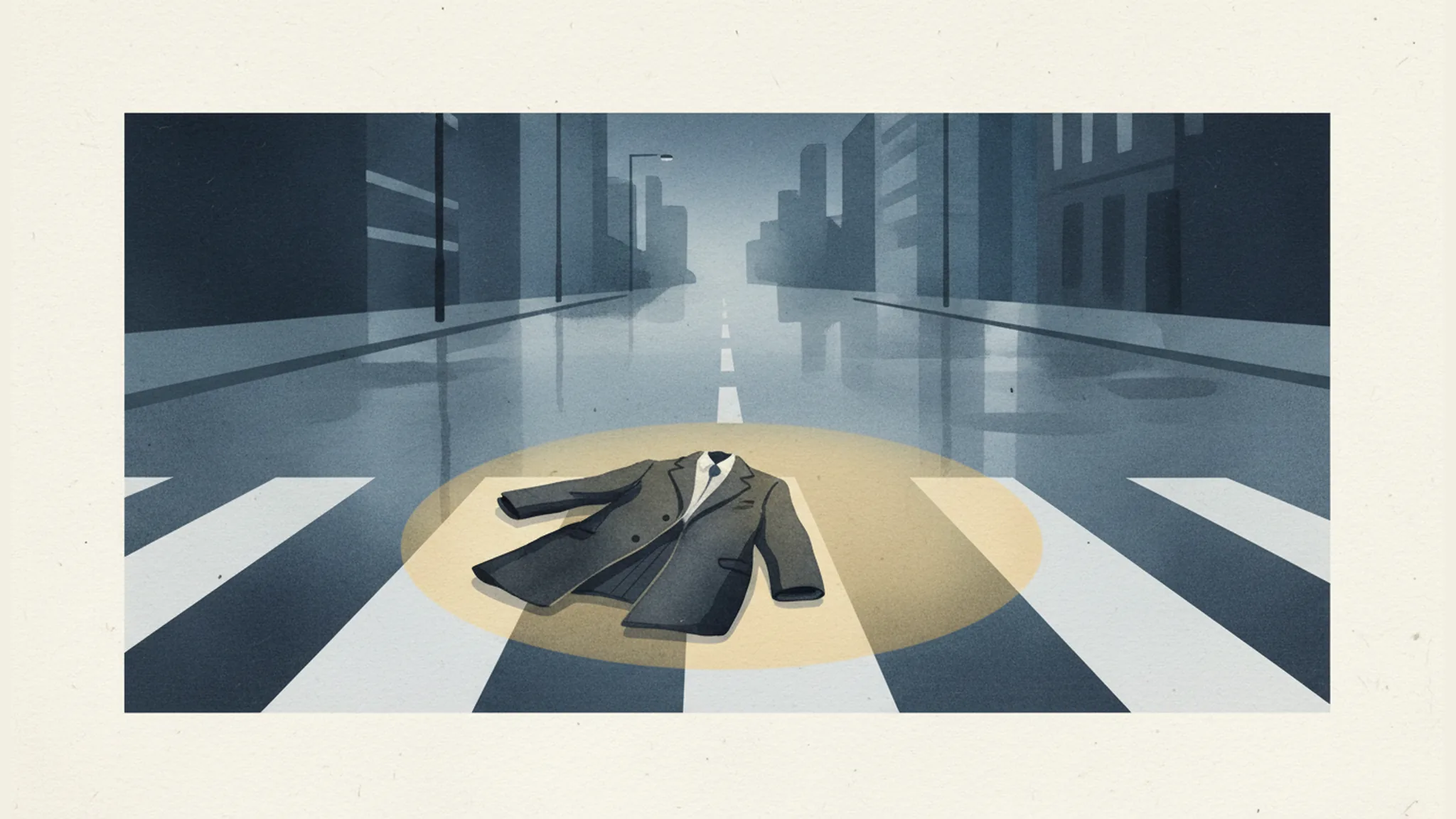
Pedestrian Struck at Night: How Visibility Arguments Are Used to Blame the Victim
Educational information only, not legal advice. Nighttime pedestrian crashes are fact-specific. The legal analysis depends on the evidence in a particular case.
If you were hit while walking at night, the driver or insurance company may quickly focus on one point: “You were hard to see.” Sometimes that becomes an argument about dark clothing, lack of reflective gear, or whether the driver had enough time to react.
In Oregon, being “hard to see” does not end the fault analysis. Visibility can matter, but it is only one part of a larger question. Oregon law preserves duties on both drivers and pedestrians. Driver speed, headlight use, street lighting, weather, roadway design, crosswalk status, pedestrian movement, and video or witness angles may all affect how fault is evaluated.
Quick answer: being “hard to see” does not end the fault analysis
A pedestrian is not automatically at fault because a crash happened at night. A driver is also not automatically at fault just because a pedestrian was struck. Oregon’s rules require a more careful review.
Three Oregon principles are especially important:
- Oregon law says pedestrian and driver rules do not relieve either side from the duty to exercise due care concerning pedestrians.
- Oregon’s basic speed rule requires drivers to use a speed that is reasonable and prudent for conditions, including visibility, weather, traffic, road width, road surface, intersection hazards, and other existing conditions.
- Oregon’s comparative fault statute can reduce a pedestrian’s recovery by the pedestrian’s share of fault and can bar recovery if the pedestrian’s fault is greater than the combined fault of the relevant opposing parties.
That means a visibility dispute usually should not be reduced to one question, such as “Was the pedestrian wearing dark clothing?” The better question is: What did all of the conditions allow a reasonably careful driver and pedestrian to see, do, and avoid?
Why insurers focus on visibility after a nighttime pedestrian crash
Visibility arguments can be powerful because they may narrow the discussion to the injured person’s choices instead of the full crash context. Instead of also asking how fast the driver was going, whether the headlights were adequate, or whether the road was poorly lit, the conversation may become about what the pedestrian wore or whether the pedestrian “came out of nowhere.”
Common versions of the argument
After a nighttime pedestrian crash, an insurer may argue:
- “The pedestrian was wearing dark clothing.”
- “There was no streetlight at the crossing.”
- “The pedestrian came out of nowhere.”
- “The driver was going the speed limit.”
- “The driver did not have enough time to react.”
- “No one could have seen the pedestrian sooner.”
Those are arguments, not conclusions. Each one needs to be tested against the evidence.
The safer way to frame the issue
Visibility is not a single fact. It is a group of facts involving the driver, pedestrian, vehicle, road, weather, lighting, and evidence quality.
For example, a pedestrian’s clothing may affect contrast. But contrast also depends on headlight aim, headlight cleanliness, whether high beams or low beams were used, streetlight placement, rain, glare, parked vehicles, curves, hills, vegetation, and the angle from which a witness or camera viewed the scene.
That broader framing matters because it keeps the analysis from becoming an oversimplified shortcut.
Oregon law keeps duties on both drivers and pedestrians
Oregon pedestrian cases often turn on details: where the pedestrian was, whether a marked or unmarked crosswalk existed, what the traffic control device showed, whether the pedestrian entered suddenly, and whether the driver was traveling reasonably for the conditions.
For a broader overview, see Johnson Law’s guide to Oregon pedestrian laws and crosswalk rules.
Drivers still owe due care around pedestrians
ORS 811.005 states that the pedestrian and driver rules in Oregon’s vehicle code do not relieve either a pedestrian or a driver from the duty to exercise due care concerning pedestrians.
That rule is important in nighttime cases. A driver generally cannot end the discussion by saying, “I did not see them.” The investigation may still need to ask why the driver did not see the pedestrian, whether the driver’s speed was reasonable for darkness and road conditions, whether required lighting equipment was used, and whether the pedestrian was in a place where the driver should have been watching.
Crosswalk and traffic-control details matter
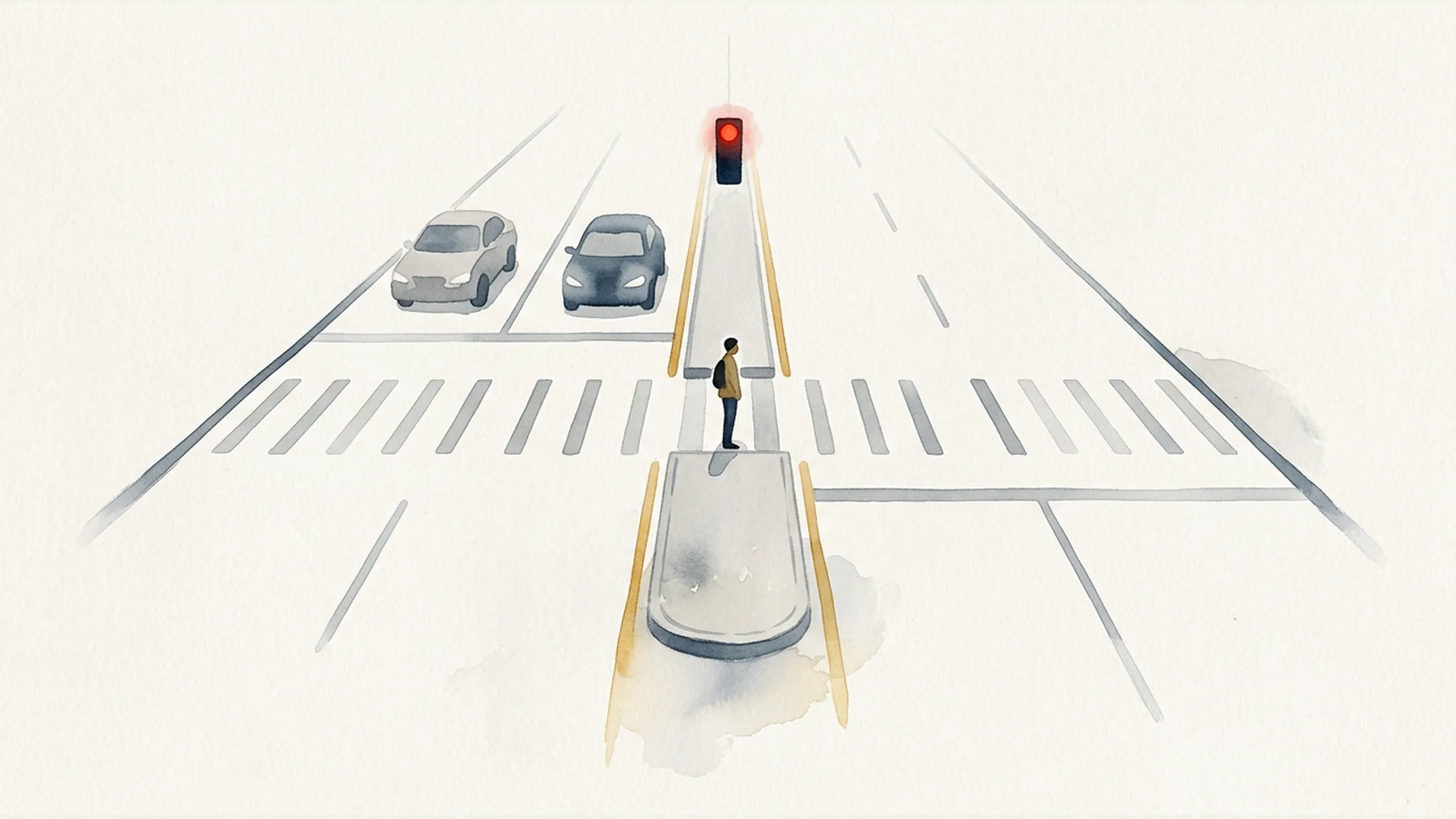
Oregon law also has specific driver duties for pedestrians crossing in crosswalks or proceeding with traffic control devices. Under ORS 811.028, drivers must stop and remain stopped for pedestrians in certain crosswalk and lane-position circumstances. The statute also explains that a pedestrian is crossing in a crosswalk when any part or extension of the person—including a body, wheelchair, cane, crutch, or bicycle—moves onto the roadway in a crosswalk with intent to proceed.
Those details can matter when an insurer argues the pedestrian was not “really” in the crosswalk or had not been there long enough to be owed a stop. But crosswalk analysis is highly fact-specific. The lane, turning movement, signal, and pedestrian location all matter.
When the dispute is that the pedestrian entered too suddenly, the related crosswalk article explains how Oregon handles “stepped out too fast” arguments after a pedestrian is hit in a crosswalk.
Pedestrian conduct can still matter
Balanced analysis also means recognizing pedestrian duties. ORS 814.040 prohibits a pedestrian from suddenly leaving a curb or other place of safety and moving into the path of a vehicle that is so close as to constitute an immediate hazard. It also requires pedestrians crossing outside a marked crosswalk or unmarked intersection crosswalk to yield the right of way to vehicles on the roadway.
Walk-along-road cases can raise different issues. ORS 814.070 addresses pedestrian use of sidewalks and shoulders along highways, including rules about using an available sidewalk or shoulder and, on certain two-way highways without a sidewalk, generally using the left shoulder as far as practicable from the roadway edge.
In short: Oregon law does not support an automatic “driver is always liable” rule or an automatic “nighttime pedestrian is at fault” rule. The details matter.
Speed for conditions: why the posted speed limit is not the whole story
One of the most important responses to a visibility defense is Oregon’s basic speed rule.
Oregon’s basic speed rule includes visibility
ORS 811.100 makes it a violation to drive faster than is reasonable and prudent, considering conditions such as traffic, road surface and width, intersection hazards, weather, visibility, and other existing conditions.
That means visibility is built into Oregon’s speed analysis. Darkness, rain, glare, fog, an intersection, a wide street, or poor lighting may affect what speed is reasonable—even if the posted limit is higher.
“I was under the limit” may not answer the question
ORS 811.108 states that speed limits do not authorize speeds greater than those required for compliance with the basic speed rule.
So, when a driver says, “I was going the speed limit,” that may be relevant, but it may not be the whole answer. The question can still be whether the driver’s speed was reasonable for the actual nighttime conditions.
Lower speeds give drivers more time to see and stop
ODOT’s pedestrian safety guide explains that lower driving speeds allow more time to see pedestrians and shorter stopping distances. That is safety guidance, not a case-specific fault finding. But it helps explain why speed and visibility are connected.
If the driver needed more distance to perceive the pedestrian, react, and stop than the conditions allowed, the investigation should not stop at whether the speedometer was below the posted limit.
Reflective clothing, dark clothing, and Oregon pedestrian duties
Dark clothing is often treated as if it decides the whole case. It does not. But it also should not be ignored.
Safety advice is not always a statutory duty
The sources reviewed for this article did not identify a general Oregon statute requiring ordinary pedestrians to wear reflective clothing or carry a flashlight at night. ODOT safety materials may recommend bright or reflective items, and that advice can be sensible from a safety standpoint. But safety advice is not always the same thing as a statutory duty.
Oregon statutes do include a limited permit-related exception involving high-visibility safety apparel in ORS 814.070 and ORS 814.072. That narrow context should not be converted into a general rule that every ordinary pedestrian must wear reflective gear at night.
Why clothing may still be argued
Even without a general reflective-clothing requirement, clothing can still be argued as evidence. An insurer may say that dark clothing reduced contrast, made the pedestrian harder to detect, or contributed to the timing of the driver’s reaction.
The response is not to pretend clothing is irrelevant. The response is to evaluate clothing alongside the rest of the visibility evidence: headlights, streetlights, roadway geometry, weather, glare, speed, crosswalk location, sight obstructions, and whether the driver was keeping a proper lookout.
Walk-along-road crashes are different from crossing crashes
A person crossing at an intersection presents different issues than a person walking along a highway shoulder. In walk-along-road cases, ORS 814.070 may be relevant because it addresses use of available sidewalks or shoulders and where a pedestrian should walk on certain roads.
That is another reason nighttime pedestrian cases should be analyzed by crash type, not by broad assumptions.
Headlights and vehicle lighting: what the driver’s visibility evidence may show
If an insurer argues that a pedestrian was hard to see, the vehicle’s own lighting becomes important.
Oregon defines limited visibility broadly
ORS 801.325 defines “limited visibility condition” to include any time from sunset to sunrise. It also includes other times when, because of insufficient light or unfavorable atmospheric conditions, persons and vehicles are not clearly discernible on a straight, level, unlighted highway at 1,000 feet ahead.
That definition matters because nighttime is not just “dark” in a casual sense. Oregon law treats sunset-to-sunrise conditions as limited visibility.
Required lights and beam use matter
ORS 811.515 requires required vehicle lighting equipment to be displayed on highways during limited visibility conditions. It also requires drivers, during limited visibility, to use a beam distribution high enough and intense enough to reveal persons and vehicles on the highway at a safe distance in advance, while dimming or aiming lights to avoid glare for oncoming or followed vehicles.
That can make several evidence questions important:
- Were the headlights on?
- Were low beams or high beams being used?
- Were the lenses clean and clear?
- Were the headlights properly aimed?
- Was glare from oncoming traffic, wet pavement, or other lighting a factor?
- Did the driver’s lighting reveal the pedestrian at a distance that allowed a reasonable response?
If the crash involved a turning vehicle, see the related discussion of left-turn pedestrian crashes where visibility, signal timing, and sightlines are disputed.
Headlight condition and road context still need evidence
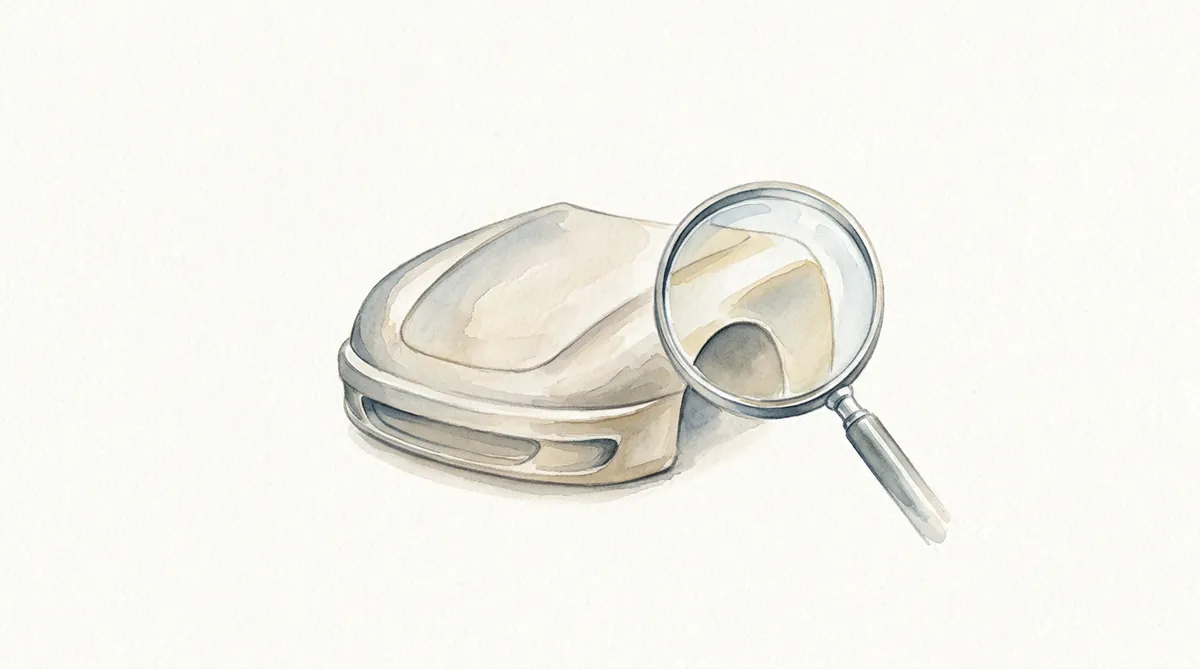
Oregon headlight standards include a rule that single-beam headlights must reveal persons and vehicles on a street or highway at least 200 feet ahead of the vehicle. Oregon lighting-equipment measurements are generally described under normal atmospheric conditions and on a straight, level, unlighted highway unless a different condition is stated.
Those standards should be used carefully. A real crash scene may involve curves, grades, rain, fog, urban lighting, parked cars, vegetation, dirty lenses, misaligned headlights, or a pedestrian outside the direct beam pattern. The legal and factual question depends on the scene, the vehicle, and the available evidence.
For the distinct equipment-testing question, see headlamp hardware inspection and glare-measurement limits, including why post-crash condition and phone images cannot settle the issue alone.
Street lighting, road design, and Portland-specific context
Nighttime visibility is not only about what the pedestrian wore or whether the driver turned on headlights. The road environment can matter too.
Darkness is a known pedestrian-safety context in Oregon and Portland
ODOT’s 2023 Vulnerable Road User Safety Assessment reported that 66% of fatal and serious-injury crashes involving people walking occurred in dark, dawn, or dusk conditions. That statewide figure provides safety context, but it should not be treated as proof of fault in any individual crash. Exposure, location, road design, and crash circumstances all require closer analysis.
Portland data also shows why nighttime conditions receive attention. PBOT’s 2024 Deadly Traffic Crash Report stated that 83% of Portland traffic deaths in 2024 occurred in nighttime conditions and that 86% of pedestrian deaths occurred in nighttime conditions. The same report listed an 87% five-year average for pedestrian deaths in nighttime conditions. Those figures are date-sensitive and contextual; they do not decide liability in a specific case.
PBOT’s Vision Zero Data page also identifies infrastructure factors such as lighting and wide streets among top contributing factors to traffic safety, and it reports that pedestrians made up 40% of Portland traffic-related deaths from 2018–2022 while roughly 5.7% of Portlanders primarily walked to work.
Lighting and design can be investigation topics
ODOT’s Vulnerable Road User Safety Assessment identifies lighting, physical separation, staggered signal phasing, and context-specific speed management as countermeasures to reduce crash severity risk. ODOT lighting guidance also discusses factors such as nighttime crash rate, pedestrian and bicyclist activity, posted speed, road width, and road condition.
Those materials can help frame an investigation. They should not be overstated as automatic proof that a particular roadway was legally defective. Public-entity roadway claims can involve separate notice, immunity, ownership, maintenance, and design issues that are beyond the scope of this article.
Portland evidence sources may help reconstruct conditions
For crashes in Portland, local records may help reconstruct lighting conditions. PortlandMaps metadata identifies the STREET_LIGHT_PDX dataset as a source for point locations of streetlights in the City of Portland, with attributes such as owner, maintainer, power supplier, luminaire type, lamp height, wattage, and lumen information. The metadata states that the dataset is updated weekly, while also including limitations and warranty disclaimers.
PBOT’s street lighting page states that PBOT maintains and reviews street lighting modifications, uses street classifications and lighting values, recommends higher lighting at intersections and midblock pedestrian crossings, and conducts monthly night drives to evaluate lighting needs and outages. Portland’s PedPDX street-lighting strategy also identifies poor lighting as one of the top pedestrian difficulties and notes that existing streetlights alone are not necessarily sufficient.
Those sources may be useful leads. But road ownership and maintenance responsibility still matter. A Portland crash location could involve PBOT, ODOT, a county road, a private driveway, or another responsible entity depending on the exact site.
Evidence that can matter in a nighttime visibility dispute
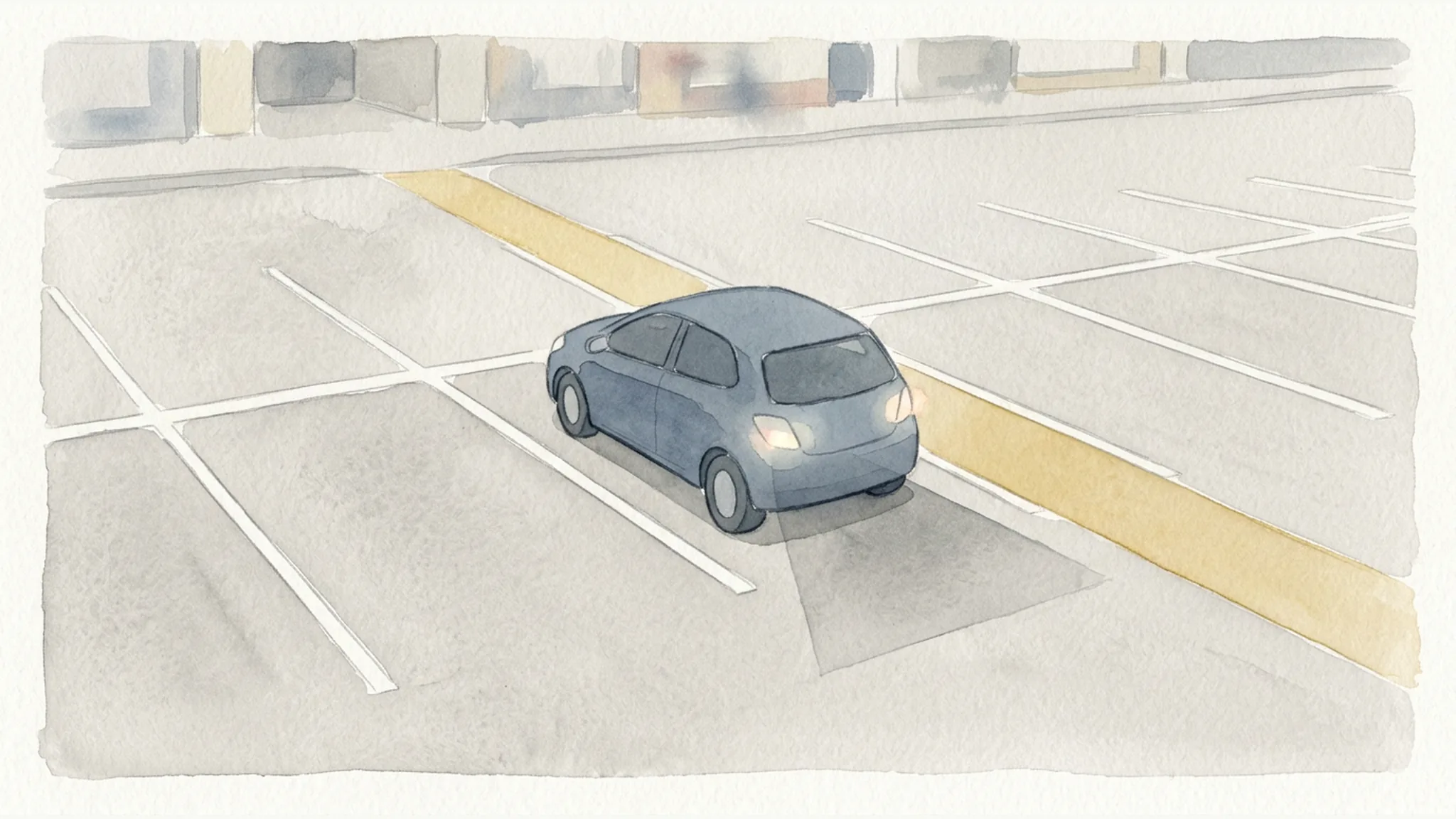
Because visibility arguments are evidence-driven, early preservation can matter. For more on protecting evidence after a crash, see Johnson Law’s article on preserving crash evidence before it disappears. If the impact happened in a private retail lot, the guide to parking-lot pedestrian collisions involving backing movements, sightlines, lighting, and property control addresses that narrower setting.
Scene evidence at the same time of night
Daytime photos can be useful, but they may miss the actual visibility problem. ODOT’s Traffic Lighting Design Manual recommends nighttime site visits for lighting measurements, generally at least two hours after sunset or before sunrise, and advises avoiding foggy or rainy weather for accurate measurements.
Depending on the case, important scene evidence may include:
- Nighttime photos or video from the pedestrian’s and driver’s perspectives.
- Streetlight locations, outages, shadows, and dark gaps.
- Crosswalk markings, traffic signals, signs, and lane layout.
- Parked vehicles, vegetation, utility poles, curves, hills, or other sight obstructions.
- Weather, wet pavement, fog, glare, or lighting from nearby businesses.
- The clothing and objects the pedestrian had with them, preserved in their post-crash condition when possible.
Crash report and data fields
Oregon police crash report instructions include a “LIGHT” field for the light condition at the time of the crash and a “STD SPD” field for the driver’s stated speed just before impact, with direction to discuss contrary investigation or witness information in the narrative.
Those fields can be useful, but they are not a complete reconstruction. A police report may include coded information, a diagram, witness names, and a narrative. It may also contain preliminary or self-reported information that should be checked against photos, video, measurements, and witness statements.
ODOT’s crash data resources and code manuals can also help identify corridor crash history, lighting-condition coding, speed-related coding, and pedestrian-involved crash patterns. Again, coded data is a starting point, not the final answer.
Vehicle and electronic evidence
Vehicle evidence may include headlight condition, lens damage, bulb status, beam aim, braking evidence, impact damage, and vehicle data. Federal event data recorder regulations identify data elements for equipped vehicles that can include vehicle indicated speed, accelerator or throttle position, and service brake use during the pre-crash interval.
Not every vehicle has accessible event data recorder information, and preservation, download, and legal access issues are case-specific. But where available, electronic data can be important when the driver’s claimed speed or braking is disputed.
Video and witness vantage points
Business cameras, traffic cameras, dashcams, doorbell cameras, transit video, and nearby surveillance may show lighting, approach speed, pedestrian movement, and sight lines. But video has limits. A camera may be mounted higher than a driver’s eyes, face a different direction, adjust automatically to low light, or fail to capture glare that affected the driver or witness.
Witnesses also see from particular angles. A witness standing under a streetlight may have seen something the driver could not, or a driver may have had a clearer view than a witness looking through glare or rain. Vantage point matters.
How Oregon comparative fault applies when visibility is disputed
Visibility arguments often matter because Oregon uses comparative fault. Under ORS 31.600, a claimant’s damages are reduced in proportion to the claimant’s share of fault. Recovery is barred if the claimant’s fault is greater than the combined fault of the defendants, third-party defendants, and certain persons with whom the claimant settled.
In simplified terms, a pedestrian who is 50% or less at fault may still recover, reduced by the assigned percentage. A pedestrian whose fault is greater than 50% may be barred from recovery.
For a deeper explanation of how percentages affect injury claims, see Johnson Law’s guide to Oregon comparative fault in injury claims.
In a nighttime pedestrian case, fault arguments may focus on:
- Whether the driver’s speed was reasonable for the visibility conditions.
- Whether headlights and required lighting were used properly.
- Whether the pedestrian was in a crosswalk or crossing with a traffic control device.
- Whether the pedestrian suddenly entered an immediate hazard.
- Whether the pedestrian was walking along a road where sidewalk or shoulder rules apply.
- Whether street lighting, weather, road geometry, glare, or obstructions affected visibility.
- Whether video, witness statements, crash-report fields, or vehicle data support one version of events.
The point is not that every visibility defense fails. The point is that Oregon comparative fault should be based on the full evidence, not a shortcut assumption that darkness or dark clothing decides the case.
What to do after a driver says they “couldn’t see you”
If you were injured as a pedestrian and the driver says they could not see you, the next steps are often about preserving facts before they disappear.
Preserve evidence before conditions change
If you are able, or if a family member can help, consider preserving:
- Photos and video of the scene at the same time of night.
- Photos of crosswalks, signals, signs, streetlights, and sight obstructions.
- The clothing, shoes, bags, mobility aids, bicycle, or other items involved.
- Witness names and contact information.
- Nearby business, doorbell, dashcam, traffic, or transit video sources.
- Vehicle information, including possible headlight or electronic-data issues.
- Weather and lighting details from the date and time of the crash.
Do not assume the scene will look the same later. Streetlights may be repaired, vehicles may be moved, weather changes, video may be overwritten, and skid or debris evidence may disappear.
Be careful with adjuster questions about clothing and visibility
Insurance adjusters may ask about clothing color, whether you saw headlights, where you were looking, whether you were using a phone, and why you thought it was safe to cross. Those questions may be relevant, but answers can also be framed as admissions.
Before giving a recorded statement, it can help to understand what the insurer is trying to establish. Johnson Law has a related article on recorded statement questions after a crash.
Get case-specific guidance for complicated facts
Nighttime pedestrian cases can become complicated quickly, especially when there are serious injuries, disputed crosswalk facts, missing video, headlight questions, event data recorder issues, unclear road ownership, or possible Portland lighting records.
If the crash happened in Portland and you need case-specific help, Johnson Law’s Portland pedestrian accident lawyer page explains how the firm approaches pedestrian injury cases. Any legal claim still depends on the specific facts, evidence, and applicable deadlines.
FAQ
Does being hit at night mean I am automatically partly at fault in Oregon?
No. Nighttime visibility may be relevant, but it does not automatically make the pedestrian at fault. Oregon fault analysis can also consider driver due care, speed for conditions, headlight use, roadway lighting, crosswalk status, pedestrian movement, weather, and available evidence.
Does Oregon require pedestrians to wear reflective clothing at night?
The sources reviewed for this article did not identify a general Oregon statute requiring ordinary pedestrians to wear reflective clothing or carry a flashlight at night. ODOT safety guidance may recommend bright or reflective items, and clothing or contrast may still be argued as evidence. That is different from a general statutory reflective-gear requirement.
What if the driver says they were going the speed limit?
The posted speed limit is not the whole inquiry. Oregon’s basic speed rule requires a speed that is reasonable and prudent for conditions, including visibility, weather, traffic, road width, road surface, intersection hazards, and other existing conditions. Oregon law also states that speed limits do not authorize speeds above those consistent with the basic speed rule.
Can dark clothing reduce my pedestrian-injury recovery?
It may be argued as part of comparative fault or causation, but it should be evaluated with all other visibility evidence. That may include headlights, streetlights, speed, weather, glare, roadway geometry, crosswalk status, sight obstructions, video, and witness vantage points.
What evidence is important after a nighttime pedestrian crash?
Important evidence may include nighttime scene photos or video, streetlight and lighting information, crosswalk and signal details, crash-report light and speed fields, witness statements, video angles, headlight condition, vehicle damage, braking evidence, and available vehicle electronic data. Evidence should be preserved early because conditions and recordings can change quickly.
How does Oregon comparative fault affect a nighttime pedestrian claim?
Under Oregon comparative fault, damages may be reduced by the pedestrian’s assigned share of fault. Recovery can be barred if the pedestrian’s fault is greater than the combined fault of the relevant opposing parties. Visibility arguments matter because they may affect how fault percentages are assigned.
Sources
- ORS chapter 811, Oregon rules of the road for drivers
- ORS chapter 814, Oregon pedestrian duties
- ORS chapter 31, Oregon comparative negligence statute
- ORS chapter 801, Oregon vehicle code definitions
- ORS chapter 816, Oregon vehicle lighting equipment standards
- Oregon Department of Transportation pedestrian safety guide
- Oregon Department of Transportation crash statistics and reports
- PBOT Vision Zero data
- PBOT 2024 Deadly Traffic Crash Report
- PBOT street lighting
- 49 CFR Part 563, event data recorders
Client-First Fee Promise
Client First = Bills First, Fees Second
Your unpaid medical bills do not have to make your lawyer's fee bigger. Johnson Law subtracts qualifying medical bills before calculating our fee, helping clients keep more of their settlement.
Applies to qualifying cases. Results vary.