Pedestrian Hit in a Crosswalk: What If the Driver Says You “Stepped Out” Too Fast?
Pedestrian Hit in a Crosswalk: What If the Driver Says You “Stepped Out” Too Fast?
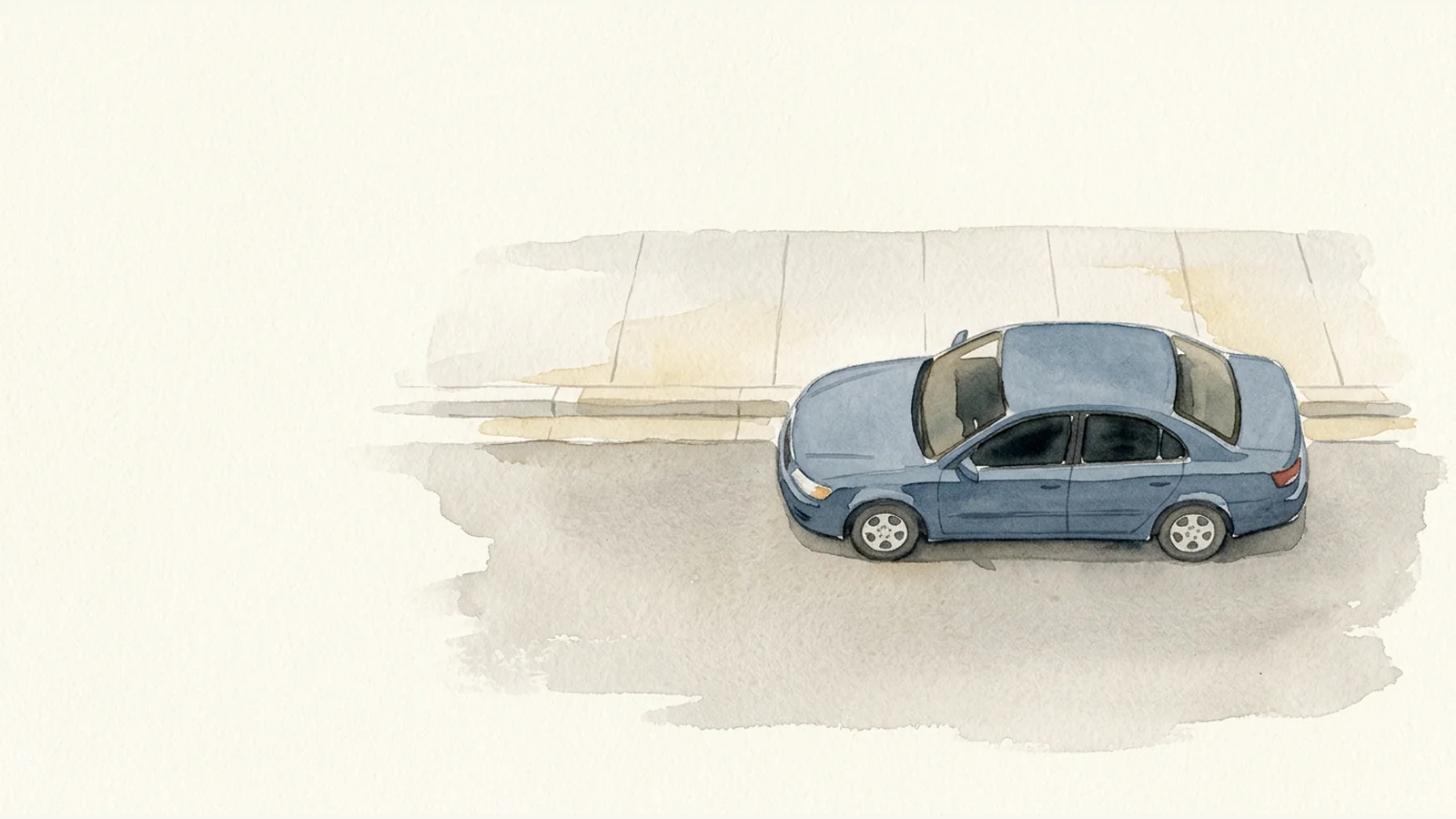
If a driver says you “stepped out too fast,” that does not end the analysis. In Oregon, crosswalks give pedestrians important legal protections, but fault in a pedestrian crash still depends on the facts: where the pedestrian was, what the signals showed, how close the vehicle was, how fast it was moving, what the driver could see, and whether each person used reasonable care.
The key point is this: “Stepped out too fast” is not the whole Oregon legal test. Oregon law separately addresses when drivers must stop for pedestrians in crosswalks and when a pedestrian may not suddenly move into the path of a vehicle that is so close it creates an “immediate hazard.” Both sides of that equation matter.
This article is general educational information about Oregon pedestrian crash issues. It is not legal advice for any specific crash or claim.
Quick Answer: A Crosswalk Helps, But It Does Not End the Fault Analysis
Oregon drivers generally must stop and remain stopped for a pedestrian who is crossing in a crosswalk when the pedestrian is in the driver’s lane, an adjacent lane, the lane into which the driver is turning, or certain additional turning-lane areas described by statute. Oregon law also recognizes that a pedestrian is crossing in a crosswalk when any part of the pedestrian, or an extension of the pedestrian described by statute, moves onto the roadway in the crosswalk with the intent to proceed.
At the same time, Oregon law does not treat crosswalk location as an automatic win for either side. Oregon’s vehicle code preserves the duty of both drivers and pedestrians to use due care. Oregon also has a modified comparative fault rule, meaning a pedestrian’s share of fault can reduce a recovery and may bar recovery if the pedestrian’s fault is greater than the combined fault of the legally responsible others.
So when the driver says, “You came out of nowhere,” the practical question becomes: what does the evidence show?
Evidence may show that the pedestrian entered lawfully and the driver failed to stop. It may show that the pedestrian started against a signal or entered when the vehicle was already an immediate hazard. Or it may show a mixed picture involving speed, lighting, blocked sightlines, and signal timing.
What Counts as a Crosswalk in Oregon?
Oregon’s definition of a crosswalk includes marked pedestrian crossings and certain unmarked crossings at intersections. The Oregon Driver Manual summarizes the rule in plain language: there is a crosswalk at every intersection even if painted lines are not present.
That matters because many Oregon pedestrian crashes happen at places drivers may not think of as “crosswalks.” An unmarked intersection crossing can still be a crosswalk. A mid-block crossing is different; mid-block crosswalks generally exist when they are distinctly marked for pedestrian crossing.
For a broader overview, see Johnson Law’s guide to Oregon pedestrian laws and crosswalk basics. If the injured pedestrian is a child and the crash happened near a school, our guide to school-zone child pedestrian crash evidence explains additional issues involving school-zone signs, flashing beacons, school schedules, and minor-settlement process concerns.
The Driver’s Baseline Duty: Stop and Remain Stopped for Pedestrians in Crosswalks
The main Oregon driver-duty statute for crosswalk crashes is ORS 811.028. In general terms, it requires a driver to stop and remain stopped for a pedestrian who is proceeding under a traffic control device or crossing in a crosswalk when the pedestrian is in the lanes or turning areas covered by the statute.
When the Duty Applies
The driver’s stop-and-remain-stopped duty can apply when the pedestrian is:
- in the driver’s lane;
- in a lane adjacent to the driver’s lane;
- in the lane into which the driver is turning; or
- in the additional turning-lane zones specified by ORS 811.028.
This is especially important when the driver says the pedestrian had “only just stepped off the curb.” Under ORS 811.028, a pedestrian can be considered crossing in a crosswalk once any part of the pedestrian, or an extension of the pedestrian described by statute, moves onto the roadway in the crosswalk with the intent to proceed.
Important Limits
The statute also has limits. ORS 811.028 does not require a driver to stop and remain stopped for a pedestrian who is on the far side of a safety island. It also contains an exception where a pedestrian tunnel or overhead crossing has been provided at or near the crosswalk.
Those details can matter on wide roads, multilane corridors, streets with medians or refuge islands, and locations with special crossing infrastructure.
The “Stepped Out Too Fast” Argument: Oregon’s Immediate-Hazard Rule
When a driver or insurer says a pedestrian “stepped out too fast,” they are usually pointing toward Oregon’s pedestrian failure-to-yield rule. ORS 814.040 says a pedestrian commits pedestrian failure to yield if the pedestrian suddenly leaves a curb or other place of safety and moves into the path of a vehicle that is so close as to constitute an immediate hazard.
That language is narrower than the casual phrase “stepped out too fast.”
“Suddenly” Is Not the Only Question
The statute does not ask only whether the pedestrian moved quickly. It asks whether the pedestrian suddenly left a curb or place of safety and moved into the path of a vehicle that was so close it was an immediate hazard.
That means the timing and distance matter. A driver’s statement that a pedestrian “came out of nowhere” should be tested against physical evidence, witness accounts, signal timing, video, lighting, and vehicle speed.
Why Distance, Speed, and Visibility Matter
The immediate-hazard question is hard to answer without knowing how the scene actually looked. Relevant facts may include:
- how far the vehicle was from the crosswalk when the pedestrian entered;
- how fast the vehicle was traveling;
- whether the driver was turning or traveling straight;
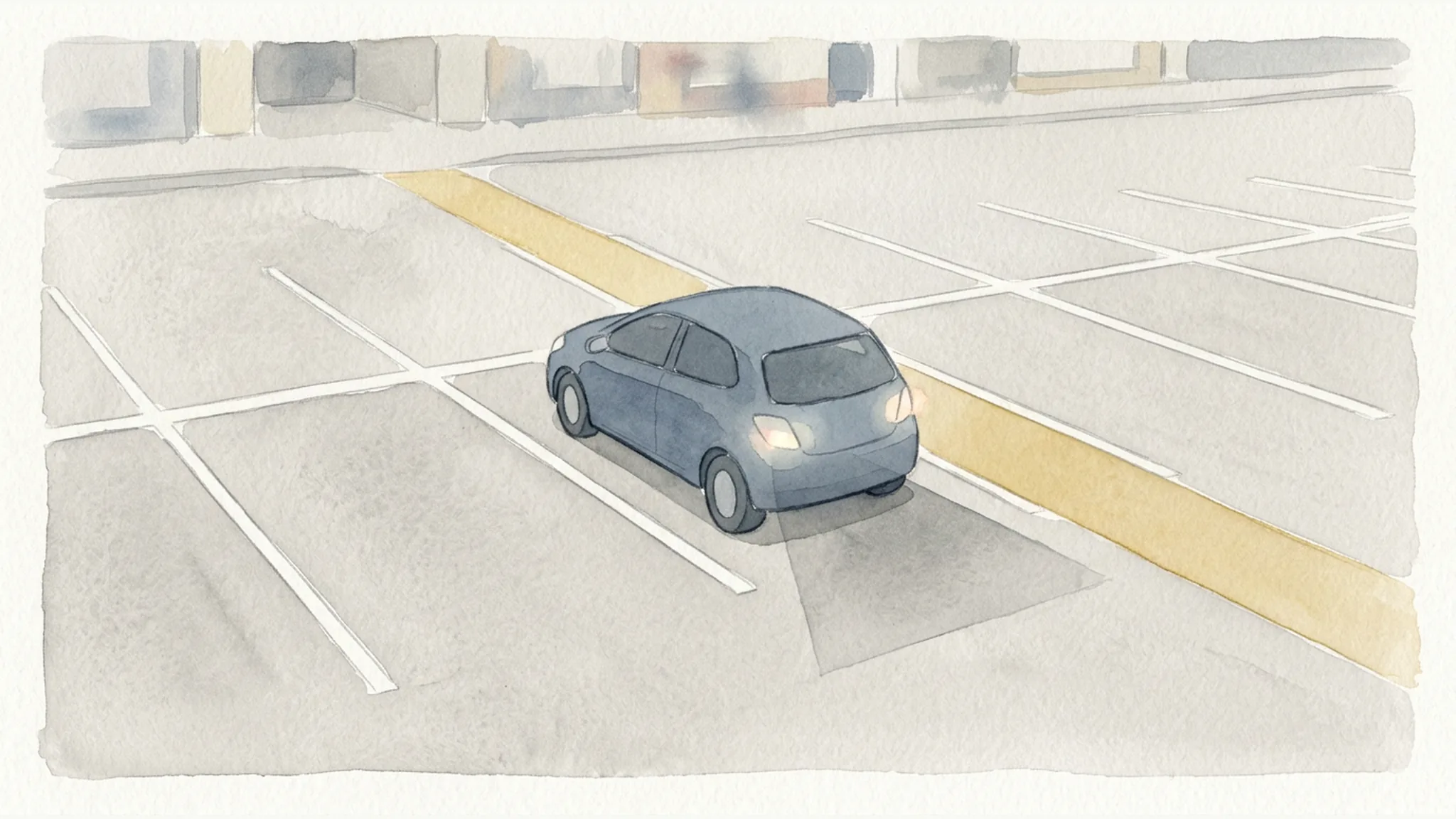
- whether parked cars, stopped traffic, construction, vegetation, glare, or darkness blocked sightlines;
- whether the pedestrian was already in a lane covered by the crosswalk statute; and
- whether the driver had time and distance to perceive, react, and stop.
Oregon’s basic speed rule also matters here. A driver can be traveling at or below the posted speed limit and still be driving too fast for the conditions if traffic, road width, weather, visibility, intersection hazards, or other conditions required a lower speed.
Crosswalk Cases Are Different From Non-Crosswalk Crossings
Oregon’s pedestrian failure-to-yield statute also addresses pedestrians crossing at a point other than a marked crosswalk or an unmarked intersection crosswalk. That is a different situation from a pedestrian who was in a legally recognized crosswalk.
If the crash happened outside a crosswalk, the analysis may focus more heavily on the pedestrian’s duty to yield to vehicles already on the roadway. If the crash happened in a marked or unmarked crosswalk, the driver’s statutory duty to stop and remain stopped becomes central.
Signals Can Change the Analysis
At signalized intersections, signal phase can become one of the most important facts in the case.
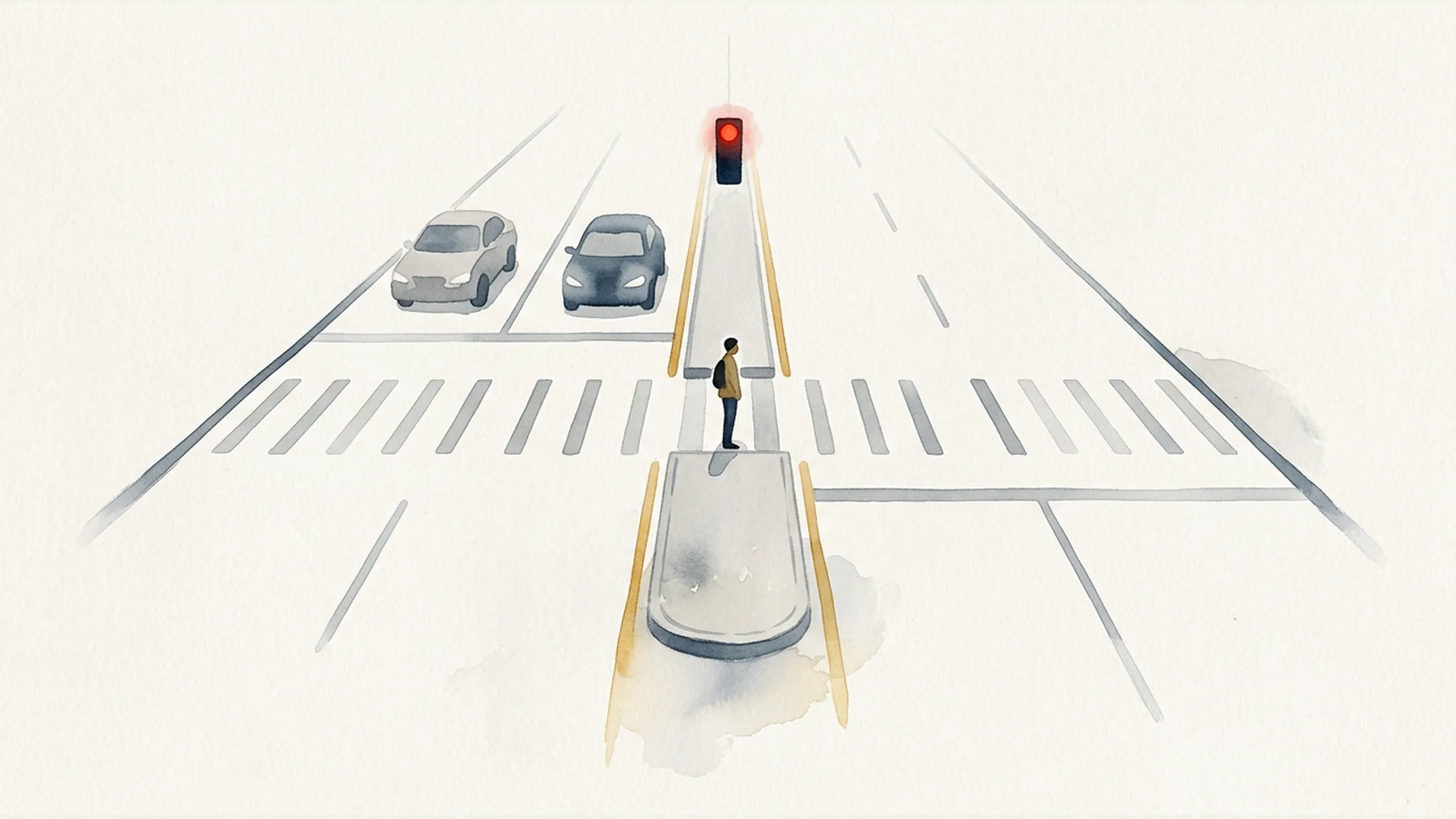
Under ORS 814.010, pedestrians facing a green light or green arrow may proceed within a marked or unmarked crosswalk unless another traffic control device prohibits it. Pedestrians facing a steady yellow or steady red light must not enter the roadway unless a pedestrian control signal directs otherwise.
Pedestrian signals add another layer. When the signal displays “Walk” or an approved symbol allowing crossing, the pedestrian may proceed in the direction of the signal. When it displays “Wait,” “Don’t Walk,” or an approved no-proceed symbol, the pedestrian must not start crossing. But a pedestrian who already started on “Walk” must proceed with dispatch to a sidewalk or safety island.
Starting on “Walk” Versus Starting on “Don’t Walk”
This distinction matters. Starting across the street after the signal already says “Don’t Walk” is different from starting on “Walk” and still being in the crosswalk during the clearance interval.
In a disputed crosswalk crash, useful evidence may include the pedestrian signal phase, countdown timing, traffic-light phase, whether the driver was turning, and whether the pedestrian had already begun crossing before the signal changed.
Turning Drivers and Signalized Intersections
Turning vehicles create additional factual questions. ORS 811.028 covers the lane into which the driver is turning and other specified turning-lane zones. If a driver turned across a pedestrian’s path, the analysis may include the pedestrian signal, the driver’s turn path, sightlines through the intersection, and whether the driver was watching for people in the crosswalk.
This post keeps the focus on the “stepped out too fast” defense. Johnson Law also has a separate resource on pedestrian crashes involving left-turning drivers.
Drivers Still Must Use Due Care and Drive for Conditions
Oregon law does not relieve drivers or pedestrians from the duty to exercise due care concerning pedestrians. That point matters when the insurer tries to turn the entire case into one question: “Did the pedestrian step off the curb quickly?”
Even where the pedestrian’s actions are disputed, the driver’s conduct remains relevant.
“I Was Going the Speed Limit” May Not Answer the Question
Oregon’s basic speed rule requires drivers to travel at a speed that is reasonable and prudent considering the conditions. The rule looks at traffic, roadway surface and width, intersection hazards, weather, visibility, and other existing conditions.
Oregon law also makes clear that posted or statutory speed limits do not authorize speeds higher than the basic speed rule permits. In other words, “I was going the speed limit” may not answer whether the driver was traveling too fast for a dark, busy, obstructed, or complex crossing.
Stopped Vehicles and Blocked Sightlines
Multilane roads create another common problem: one vehicle stops for a pedestrian, while another driver passes or continues through without seeing the person in the crosswalk.
Oregon law prohibits a driver from passing another vehicle stopped at a marked or unmarked intersection crosswalk to permit a pedestrian to cross. ODOT’s crosswalk guidance also advises drivers not to pass a vehicle stopped at a crosswalk and notes that stopping about 30 feet before a crosswalk on a multilane road improves visibility for other drivers and people walking. That 30-foot point is safety guidance, not a separate civil-liability rule by itself, but it helps explain why sightlines can be so important.
Portland Factors: Sightlines, Daylighting, Lighting, and Crossing Design
For Portland crashes, local street design and visibility evidence can help test a “no time to stop” claim. Portland design guidance does not automatically prove fault in an individual case, but it can help identify the factual issues that need investigation.
Parked Cars and Intersection Visibility
PBOT explains that “daylighting” removes parking near intersections and crossings to improve visibility. PBOT also notes that parked vehicles can block sightlines at intersections.
If the driver says the pedestrian appeared suddenly, the scene may need to be evaluated for parked cars, large vehicles, vegetation, construction barriers, curb extensions, lane layout, and other sightline issues.
Lighting at Crosswalks and Intersections
PBOT states that streetlights can make it easier to avoid crashes, that higher lighting levels are recommended at intersections and mid-block pedestrian crossings, and that supplemental pedestrian-scale lighting may be used where overhead lighting is inadequate.
Poor lighting does not automatically establish legal fault. But lighting can matter when deciding whether a driver should have adjusted speed, whether a pedestrian was visible, and whether the “came out of nowhere” claim fits the physical conditions.
Johnson Law also has a separate resource on nighttime pedestrian visibility arguments.
How Comparative Fault Works When Both Sides Blame Each Other
Oregon uses modified comparative negligence. Under ORS 31.600, an injured person may recover only if that person’s fault is not greater than the combined fault of the other legally responsible persons. If recovery is allowed, damages are reduced in proportion to the injured person’s share of fault.
In practical terms, a crosswalk case can involve more than one fault argument at the same time. The driver may claim the pedestrian entered too suddenly. The pedestrian may point to the driver’s speed, failure to stop, blocked sightlines, turn path, distraction, or failure to drive for conditions.
Because Oregon’s rule turns facts into percentages, early evidence can matter. For more on the broader mechanics, see Johnson Law’s guide to Oregon comparative fault in crash claims.
Evidence That Can Test the “No Time to Stop” Claim
A stronger response to a “stepped out too fast” accusation is not guesswork. It is evidence.
Video and Camera Footage
Video can be especially important because it may show where the pedestrian was, when the pedestrian entered, how fast the vehicle appeared to be moving, whether the signal permitted crossing, and whether another vehicle blocked the driver’s view.
In Portland, traffic camera footage from speed and intersection safety cameras may be requested through a public records request. The City states that video footage not resulting in a citation is held only for 30 days. That makes prompt action important when video may exist.
Nearby businesses, residences, transit vehicles, dash cameras, and body-worn camera footage may also be relevant depending on the location and response. For broader guidance, see Johnson Law’s article on preserving crash evidence before it disappears.
Police, DMV, and Crash Reports
Oregon DMV requires drivers involved in a reportable collision to submit an Oregon Traffic Collision and Insurance Report within 72 hours when injury or death results, damage thresholds are met, or a vehicle is towed. DMV says the report is required even if law enforcement filed a report.
The Oregon DMV crash report form asks for crash facts, diagram information, whether police came to the scene, and whether the crash involved a pedestrian or bicyclist. A DMV report, police report, citation, or absence of a citation is not a final civil fault determination. But these records may help identify witnesses, locations, diagrams, vehicle positions, and early statements.
Scene Details to Document
If it can be done safely, useful scene documentation may include:
- crosswalk markings or the unmarked intersection crossing location;
- traffic signals, pedestrian signals, countdown displays, and signs;
- lane layout, turn lanes, medians, and safety islands;
- parked vehicles or stopped traffic that may have blocked views;
- lighting, weather, glare, and visibility conditions;
- construction, vegetation, or other sight obstructions;
- vehicle damage, debris, and final resting positions; and
- names and contact information for witnesses.
Be cautious with early insurance conversations. If an adjuster focuses on questions like how fast you stepped out, whether you saw the car, or where you were looking, those answers may later be used in a comparative-fault argument. Johnson Law has separate resources on recorded statements after a crash and early adjuster questions about fault.
When to Get Case-Specific Guidance After a Crosswalk Crash
General rules can explain the issues, but they cannot decide a specific pedestrian crash. Case-specific guidance may be especially important when:
- the driver or insurer is blaming you for stepping out too quickly;
- the crash caused serious injury;
- video or traffic-camera footage may disappear soon;
- the signal phase is disputed;
- the crash involved a turning vehicle, multiple lanes, a safety island, or blocked sightlines;
- a public-entity road-design or maintenance issue may be involved; or
- an insurer is pressuring you for a recorded statement before the evidence is gathered.
Oregon’s general personal-injury limitation period is two years, but some situations can involve different or shorter deadlines, including public-body claims, minors, wrongful death, or other special contexts. Do not rely on a general article to calculate a deadline for your own claim.
If you were hit while walking in Portland and fault is being disputed, you can learn more about Johnson Law’s local pedestrian injury work here: Portland pedestrian accident lawyer.
Frequently Asked Questions
If I was in a crosswalk, is the driver automatically at fault in Oregon?
No. Oregon crosswalk law gives pedestrians important protections, and drivers generally must stop and remain stopped for pedestrians in covered crosswalk positions. But Oregon also preserves due-care duties and comparative fault. Crosswalk location matters, but it does not automatically decide civil fault.
What does “immediate hazard” mean after a pedestrian crosswalk crash?
In this context, the key statutory question is whether the pedestrian suddenly left a curb or other place of safety and moved into the path of a vehicle that was so close as to constitute an immediate hazard. Evidence about distance, speed, visibility, reaction time, and signal status can matter.
Does Oregon law protect pedestrians in unmarked crosswalks?
Yes. Oregon recognizes unmarked intersection crosswalks. ODOT’s driver manual summarizes that every intersection has a crosswalk even if it is not marked by painted lines. Mid-block crossings are different and generally depend on markings.
What if I started on “Walk” but the signal changed before I reached the other side?
Oregon law distinguishes starting on a permitted pedestrian signal from starting on “Don’t Walk.” A pedestrian who already started on “Walk” must proceed with dispatch to a sidewalk or safety island. Signal timing evidence can be important in a disputed crash.
Can I still recover compensation if I was partly at fault?
Possibly. Oregon’s modified comparative negligence rule can reduce damages by the injured person’s percentage of fault and can bar recovery if that person’s fault is greater than the combined fault of specified others. The answer depends on the facts and the fault allocation.
What evidence should be preserved after a Portland crosswalk crash?
Potentially important evidence includes video, traffic-camera or public-record footage, police and DMV records, witness information, signal timing, lane layout, lighting, sight obstructions, crosswalk markings, and scene photos. Portland states that non-citation footage from speed and intersection safety cameras is held only 30 days, so time can matter.
Source Notes
- ORS 801.220, Oregon crosswalk definition: https://www.oregonlegislature.gov/bills_laws/ors/ors801.html
- ORS 811.028, driver duty to stop and remain stopped for pedestrians in crosswalks: https://www.oregonlegislature.gov/bills_laws/ors/ors811.html
- ORS 811.005, ORS 811.020, ORS 811.100, and ORS 811.108, due care, passing stopped vehicles at crosswalks, basic speed rule, and speed-limit caveat: https://www.oregonlegislature.gov/bills_laws/ors/ors811.html
- ORS 814.010 and ORS 814.040, pedestrian signals and pedestrian failure-to-yield/immediate-hazard rules: https://www.oregonlegislature.gov/bills_laws/ors/ors814.html
- ORS 31.600, Oregon comparative fault: https://www.oregonlegislature.gov/bills_laws/ors/ors031.html
- Oregon Driver Manual, ODOT/DMV, Sharing the Road: https://www.oregon.gov/odot/dmv/pages/online_manual/study-section_4.aspx
- Oregon Crosswalk Laws, ODOT Transportation Safety: https://www.oregon.gov/odot/Safety/Documents/OregonCrosswalkLawsENG.pdf
- PBOT Crosswalk Guidelines for Portland: https://www.portland.gov/transportation/traffic-operations/crosswalk-guidelines
- PBOT Vision Clearance at Intersections: https://www.portland.gov/transportation/traffic-operations/intersection-visibility
- PBOT Street Lighting, Vision Zero: https://www.portland.gov/transportation/vision-zero/streetlighting
- Oregon DMV Collision Reporting and Responsibilities: https://www.oregon.gov/ODOT/DMV/Pages/driverid/accidentreport.aspx
- Oregon Traffic Crash and Insurance Report, ODOT/DMV Form 32: https://www.oregon.gov/odot/Forms/DMV/32fill.pdf
- City of Portland speed and intersection safety camera records guidance: https://www.portland.gov/transportation/70763
Client-First Fee Promise
Client First = Bills First, Fees Second
Your unpaid medical bills do not have to make your lawyer's fee bigger. Johnson Law subtracts qualifying medical bills before calculating our fee, helping clients keep more of their settlement.
Applies to qualifying cases. Results vary.