Underride Truck Accident Claims in Oregon: Why These Crashes Are So Catastrophic and So Complex
Underride Truck Accident Claims in Oregon: Why These Crashes Are So Catastrophic and So Complex
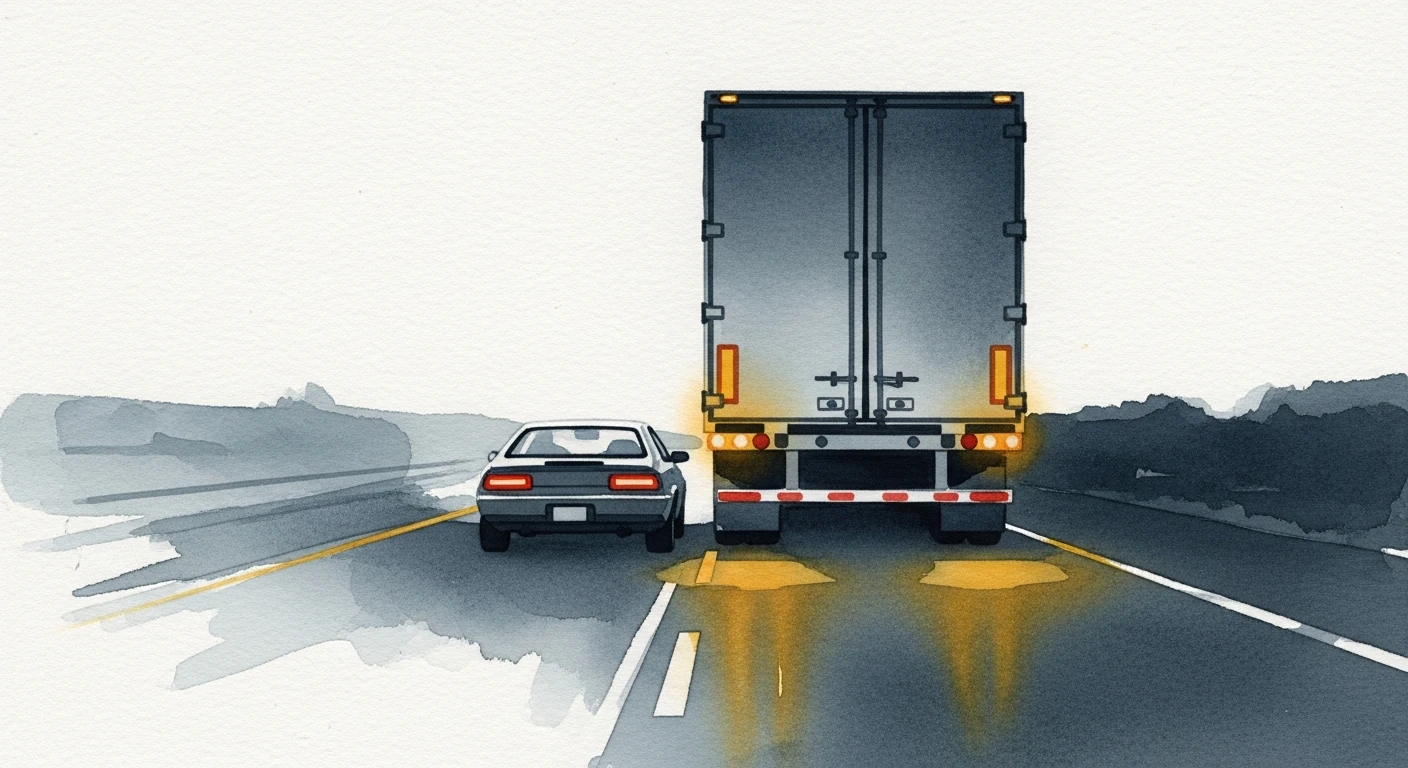
Underride collisions are not just “severe truck crashes.” They are a specific crash geometry problem: a smaller vehicle slides partially or fully under a trailer or truck body because the structures are mismatched in height. When that happens, the vehicle’s normal crash-protection sequence can fail, and the passenger compartment can be crushed or sheared.
That geometry is why underride cases are often both medically catastrophic and legally technical. They may involve vehicle engineering, trucking operations, visibility systems, human factors, and rapidly disappearing records—all at the same time.
This guide explains how underride crashes happen, why they are so dangerous, and what makes an underride truck accident claim in Oregon uniquely evidence-sensitive.
If you want a visual companion, review the interactive infographic:
Executive summary
- Underride crashes occur when a car slides beneath a truck/trailer structure instead of engaging compatible bumper-level crash structures.
- These collisions are unusually lethal because intrusion can invade occupant survival space, bypassing the protection modern cars are designed to provide.
- Rear guards are required on many trailers, and federal standards were upgraded in 2022—but minimum compliance does not guarantee real-world protection in every scenario.
- Side underride guard requirements remain limited in the U.S., and visibility failures (especially at night) are still a major risk pathway.
- Underride claims are often won or lost by early preservation of physical evidence and records with short retention windows.
- In Oregon, legal filing deadlines and evidence-retention deadlines create parallel time pressure.
What is an underride collision?
An underride collision happens when a smaller vehicle does not engage a truck or trailer at compatible structural height. Instead, it wedges underneath the truck body, allowing rigid structures to intrude into the cabin.
In a typical frontal car crash, energy is managed through:
- Bumper and front structural engagement,
- Controlled crumple,
- Restraint systems (seat belts and airbags),
- Occupant ride-down inside an intact survival space.
In underride geometry, that chain can break early. The occupant compartment may be compromised before restraint systems can do what they are designed to do.
Rear underride vs. side underride vs. front mismatch
Rear underride
Rear underride is the classic “car into the back of a trailer” crash. Common high-risk patterns include:
- high speed differentials,
- a stopped or slow-moving trailer,
- nighttime/low-contrast detection failures,
- offset overlap near trailer corners.
Side underride
Side underride often appears at intersections or crossings when a passenger vehicle strikes the side of a trailer. Detection can be difficult at night when a trailer presents a thin profile and conspicuity markings or lighting are degraded.
Front override/underride mismatch
Front mismatch issues involve incompatibility between heavy-truck structure height and smaller-vehicle energy-management zones. Although discussed less often than rear underride, this mismatch can still produce severe intrusion and occupant-compartment failure.
Why underride crashes cause catastrophic injuries
1) Energy rises quickly with speed
Crash energy scales with the square of speed, so moderate speed increases can produce disproportionate injury severity.
2) The key danger is where the energy goes
Underride crashes are not just “high-energy impacts.” They are high-energy impacts directed into vulnerable cabin space when structural engagement fails.
3) Passenger-compartment intrusion changes survivability
When roofline or upper-cabin structures are compromised, seat belts and airbags may not be enough to preserve survivable space. This is why underride is closely associated with fatal and life-altering trauma.
4) Common severe injury pathways
Underride collisions are often associated with:
- traumatic brain injury,
- cervical spine injury,
- skull/facial trauma,
- crush and shear injuries,
- multi-system trauma requiring long-term care.
Underride guards: what federal standards do—and do not—guarantee
Rear impact guards are required on many trailers and semitrailers, with dimensional and performance requirements under federal rules. Standards were strengthened in 2022 to increase load and energy-absorption performance.
That matters. But it is equally important to understand the limits:
- Regulatory tests define baseline conditions.
- Real crashes often occur outside baseline conditions (higher speeds, challenging overlaps, degraded maintenance, poor visibility).
- Therefore, “the guard met minimum legal requirements” does not automatically prove safe real-world performance in a specific crash.
Typical guard failure modes seen in litigation
- Vertical mismatch/deformation: effective guard height rises during loading, allowing underride.
- Attachment failure: mounts, welds, fasteners, or supporting trailer structure fail.
- Offset vulnerability: partial overlap loads only part of the guard, producing different stress and failure patterns.
- Exemption/no-guard conditions: some configurations are treated differently under regulations.
Visibility and conspicuity: often the first failure in the chain
Many underride collisions begin as a perception problem before they become a guard-performance problem.
If a driver detects a trailer too late—especially in dark or low-contrast conditions—available braking distance may be insufficient regardless of intent or reaction effort.
That is why conspicuity requirements exist for trailer reflective treatment and lighting placement. Properly maintained conspicuity systems are a practical crash-reduction tool, not a cosmetic add-on.
In claim analysis, condition-at-crash-time questions are critical:
- Was reflective tape present, intact, and visible?
- Were rear and side lamps working?
- Was the trailer dirty, damaged, or configured in a way that reduced detection distance?
Why underride truck accident claims get complex fast
Underride litigation combines:
- catastrophic medical damages,
- commercial trucking compliance duties,
- engineering causation,
- human factors and visibility analysis,
- comparative-fault arguments.
That combination is why underride cases are rarely simple “rear-end crash” files.
Experts commonly needed in underride cases
Depending on facts, a serious underride claim may require coordinated input from:
- Accident reconstructionists (speed, braking, overlap, avoidability),
- Vehicle/trailer structural engineers (guard geometry, attachments, failure mode),
- Biomechanics experts (intrusion-to-injury causation),
- Human factors/visibility experts (detection, perception-reaction timing, conspicuity conditions),
- Motor-carrier compliance experts (inspection, maintenance, operational safety systems),
- Digital forensics specialists (ELD/RODS, telematics, onboard modules, video timelines).
The evidence that disappears first
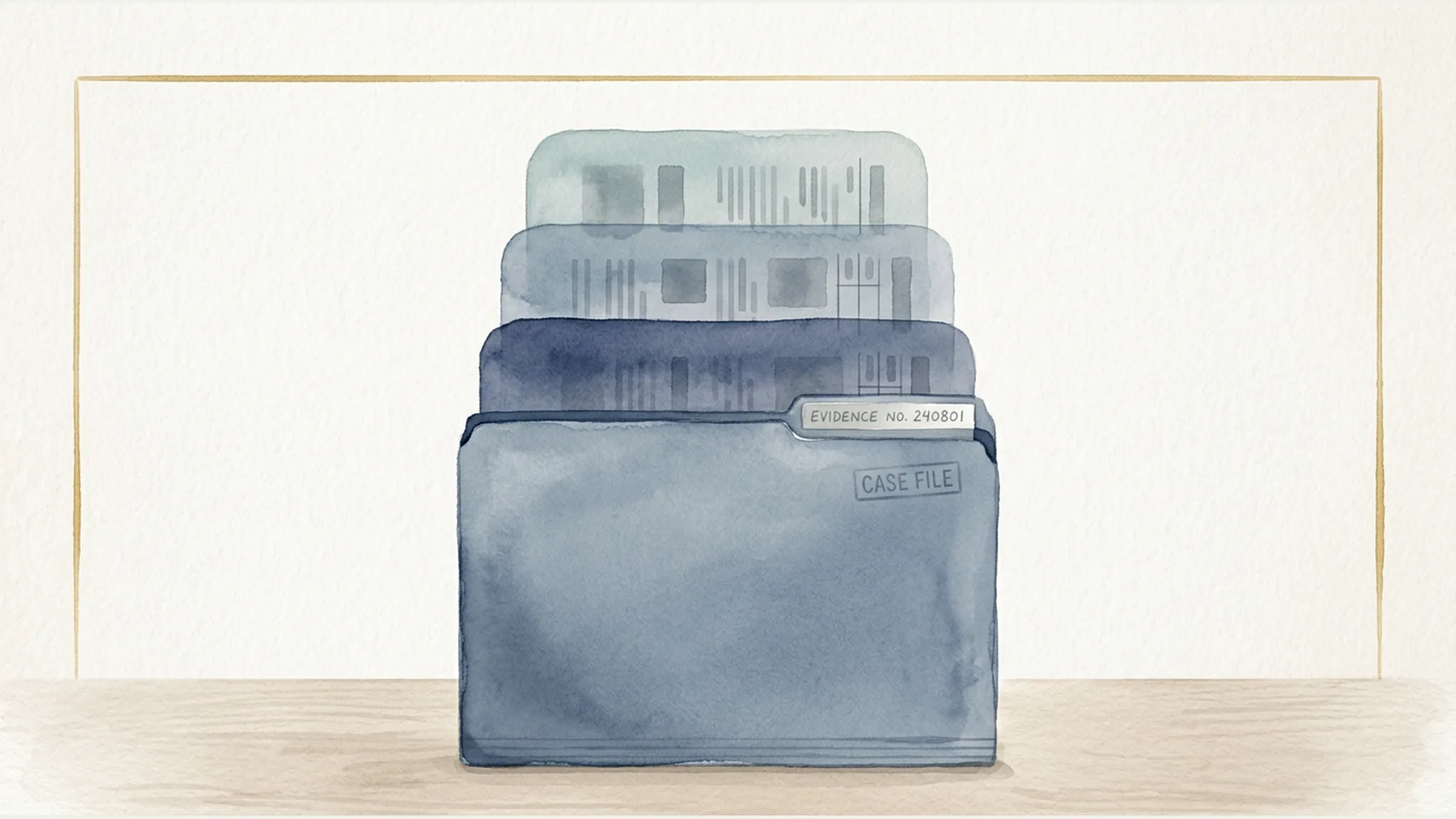
In underride claims, delay is dangerous. Key records and physical artifacts can vanish through routine operations, repairs, or retention-cycle expiration.
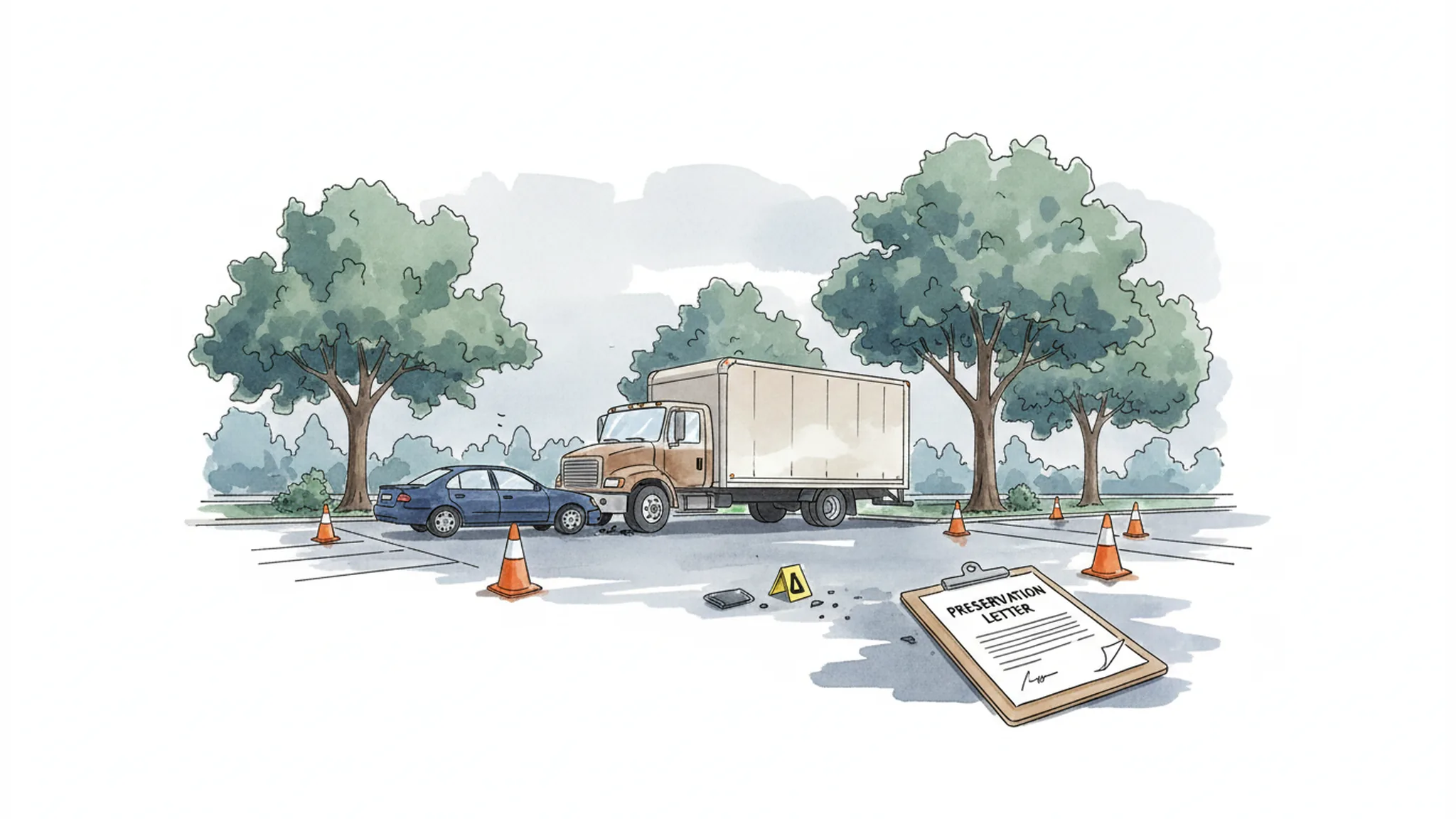
High-priority preservation targets usually include:
- Passenger vehicle and trailer in post-crash condition,
- rear guard and attachment components,
- full-scene photos and intrusion measurements,
- trailer lighting and conspicuity condition,
- ELD/RODS and supporting operational documents,
- maintenance, inspection, and repair files,
- DVIR-related records,
- police, EMS, and emergency communications records,
- complete medical records documenting progression and prognosis.
Record-retention pressure in trucking cases
Commercial trucking recordkeeping rules require retention of certain categories for set periods, but those periods are not indefinite. Some windows are measured in months, not years.
Practical takeaway: if preservation efforts begin late, critical data may be gone before formal litigation even starts.
For related guidance, see our post on preserving evidence after an accident.
Oregon legal timeline pressure
Underride claims in Oregon generally face two independent clocks:
- Civil filing deadlines (including injury and wrongful death timing rules).
- Evidence-retention deadlines under trucking recordkeeping practices.
Oregon also applies comparative-fault principles, so defense themes often include claims that the driver “should have seen the trailer” or “was following too closely.” In underride litigation, those arguments should be tested against objective evidence—visibility conditions, conspicuity status, braking traces, and timing math.
For broader fault framework context, see How Oregon comparative fault works.
What to do immediately after a suspected underride crash
- Prioritize emergency medical care.
- Preserve photos and all available scene details.
- Identify carrier, trailer, and USDOT details.
- Avoid vehicle disposal/repair decisions before documentation and legal review.
- Request rapid evidence preservation when commercial vehicles are involved.
- Track symptoms and care needs over time; catastrophic injuries often evolve clinically.
Practical safety tips for Oregon drivers
Underride prevention is mostly about time, space, and detection.
- Keep extra following distance behind trailers, especially at night and in rain.
- Avoid lingering in truck blind spots.
- Use heightened caution when trailers are crossing or turning through intersections.
- Treat dark-road trailer silhouettes as a special hazard condition.
- Wear seat belts consistently; they remain foundational protection even when underride changes injury mechanics.
FAQ: underride truck accident claims
Is underride just another rear-end collision case?
Usually no. Underride introduces structural incompatibility and intrusion questions that often require technical experts and advanced evidence analysis.
If a rear guard was “legal,” does that end liability analysis?
No. Compliance with minimum standards does not automatically answer how the guard performed in that specific crash geometry, speed, and overlap.
Why are these claims so evidence-sensitive?
Because causation often depends on physical geometry, component condition, and short-retention trucking records. If those are lost, proof quality drops sharply.
Do Oregon timelines matter even when federal trucking rules apply?
Yes. Federal rules often shape safety-duty evidence, while Oregon law governs civil claims, fault allocation, and damages.
Bottom line
An underride truck accident claim is fundamentally a systems case: vehicle compatibility, visibility, operations, and injury biomechanics all intersect. The catastrophic nature of these collisions is driven by geometry and intrusion, not just impact force alone.
If underride is suspected, the most important early move is not argument—it is preservation. The quality of the first days of evidence work often determines the strength of the entire case.
Related resources
- Underride Collisions Interactive Infographic
- Truck accident legal help in Oregon
- Preserving evidence after a crash
- How Oregon comparative fault works
- Jackknife truck crash evidence guide
- Contact us for a consultation
This page is general information, not legal advice. Laws and outcomes depend on specific facts. For advice about your situation, consult qualified counsel.
Client-First Fee Promise
Client First = Bills First, Fees Second
Your unpaid medical bills do not have to make your lawyer's fee bigger. Johnson Law subtracts qualifying medical bills before calculating our fee, helping clients keep more of their settlement.
Applies to qualifying cases. Results vary.