E-Scooter Hit-and-Run in Oregon: Can Auto UM Coverage Apply Even If You Weren't in a Car?
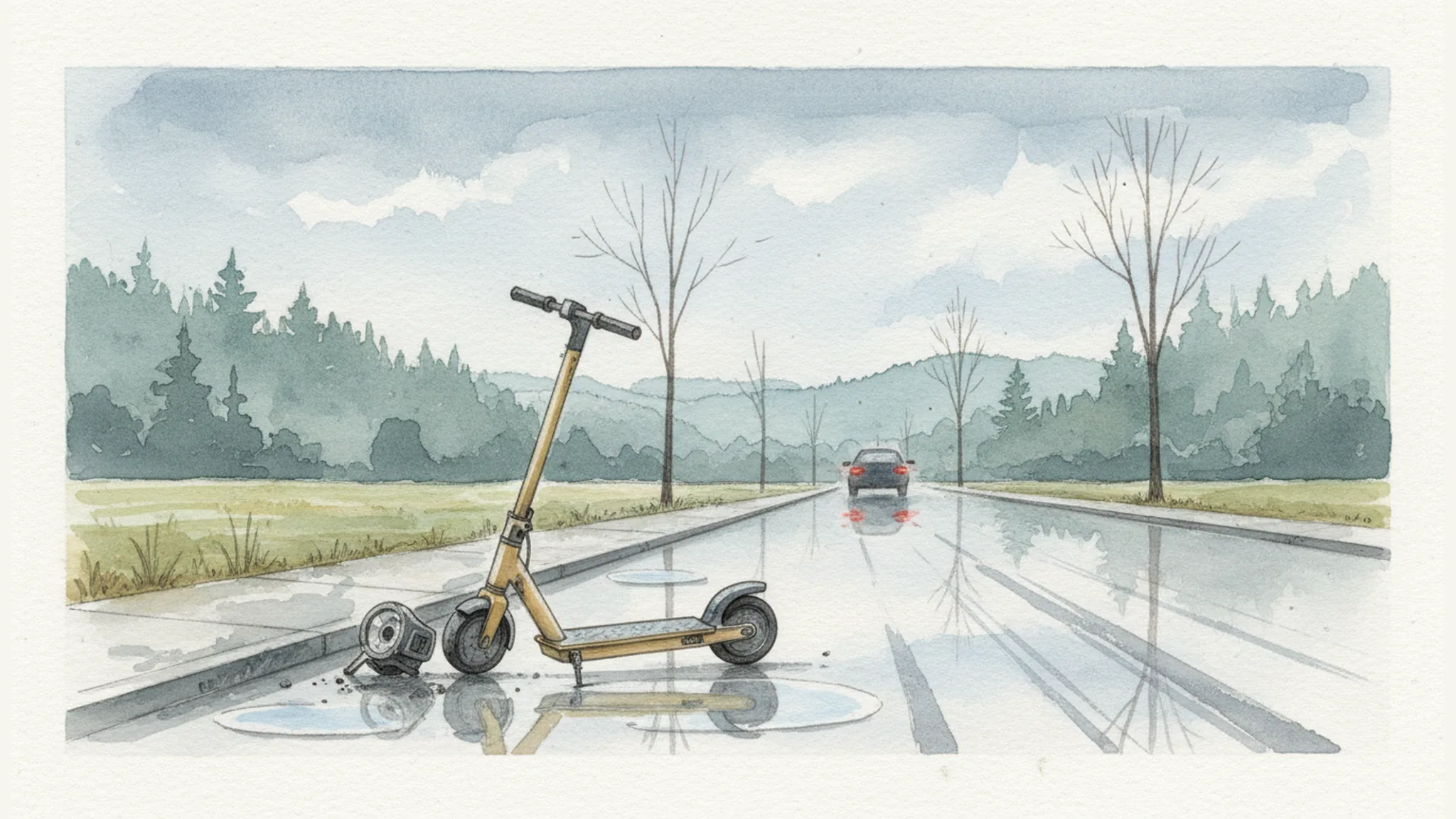
E-Scooter Hit-and-Run in Oregon: Can Auto UM Coverage Apply Even If You Weren’t in a Car?
Educational information only, not legal advice. Oregon UM claims are policy-specific, fact-specific, and time-sensitive. This article explains general Oregon rules and common issues, not a guaranteed coverage result.
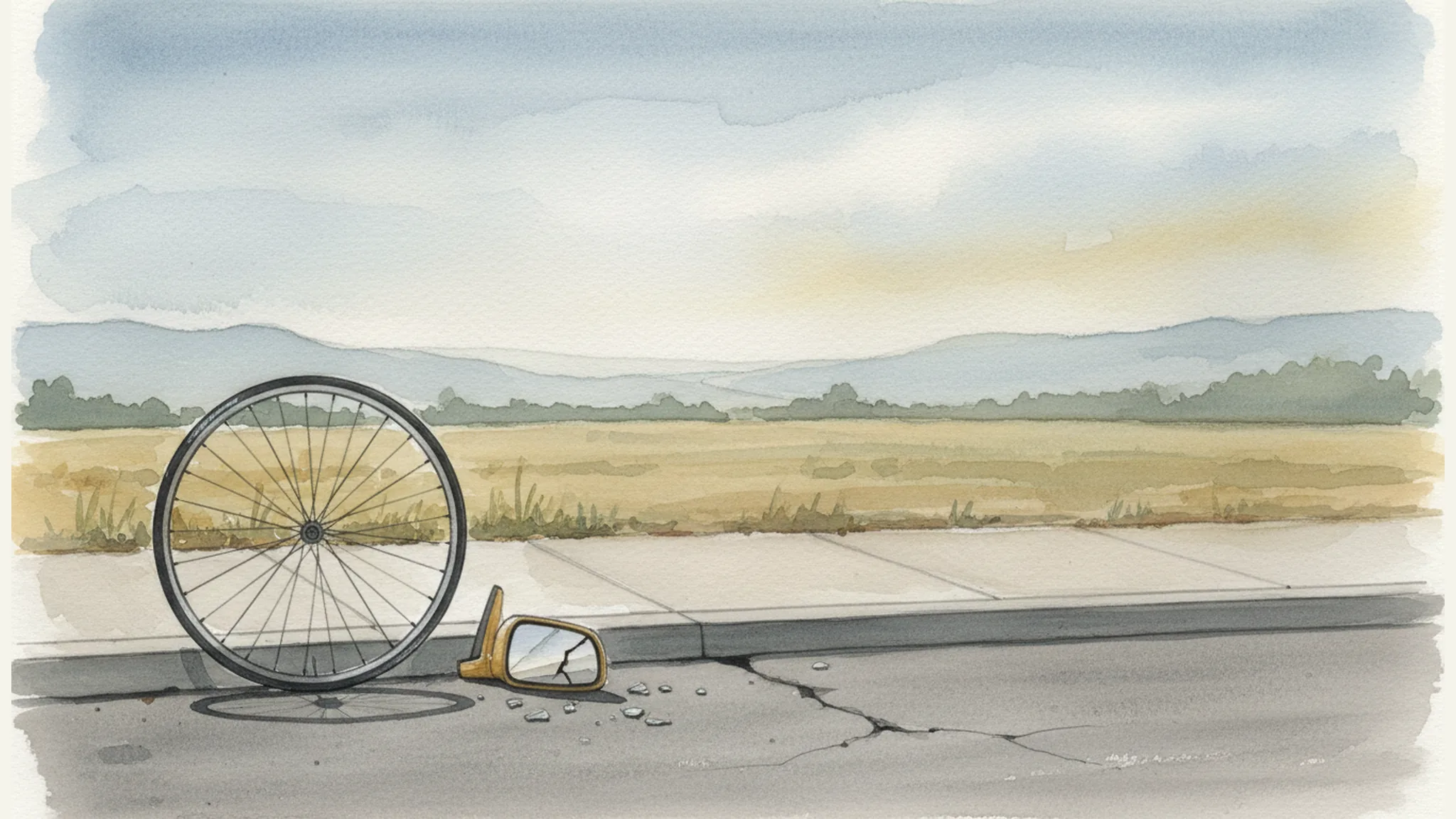
The short answer is maybe. In Oregon, auto uninsured motorist coverage can apply in some cases even if you were riding an e-scooter instead of sitting inside a car. But that does not mean every injured scooter rider is covered.
The rider still must qualify as an insured under the policy being examined, such as a named insured or a qualifying resident relative under Oregon’s UM framework.
The answer usually depends on at least five things:
- whether you qualify as an insured under the auto policy,
- whether the at-fault event fits Oregon’s hit-and-run or phantom-vehicle rules,
- how the scooter is classified under the policy and Oregon law,
- whether an owned-vehicle or regular-use exclusion is being raised, and
- whether notice and evidence were preserved quickly enough.
For broader Oregon UM background, see Hit by a Drunk Driver Who Has No Insurance: What Does Oregon UM Coverage Actually Pay?.
1) Why Auto UM May Still Matter When You Were on an E-Scooter
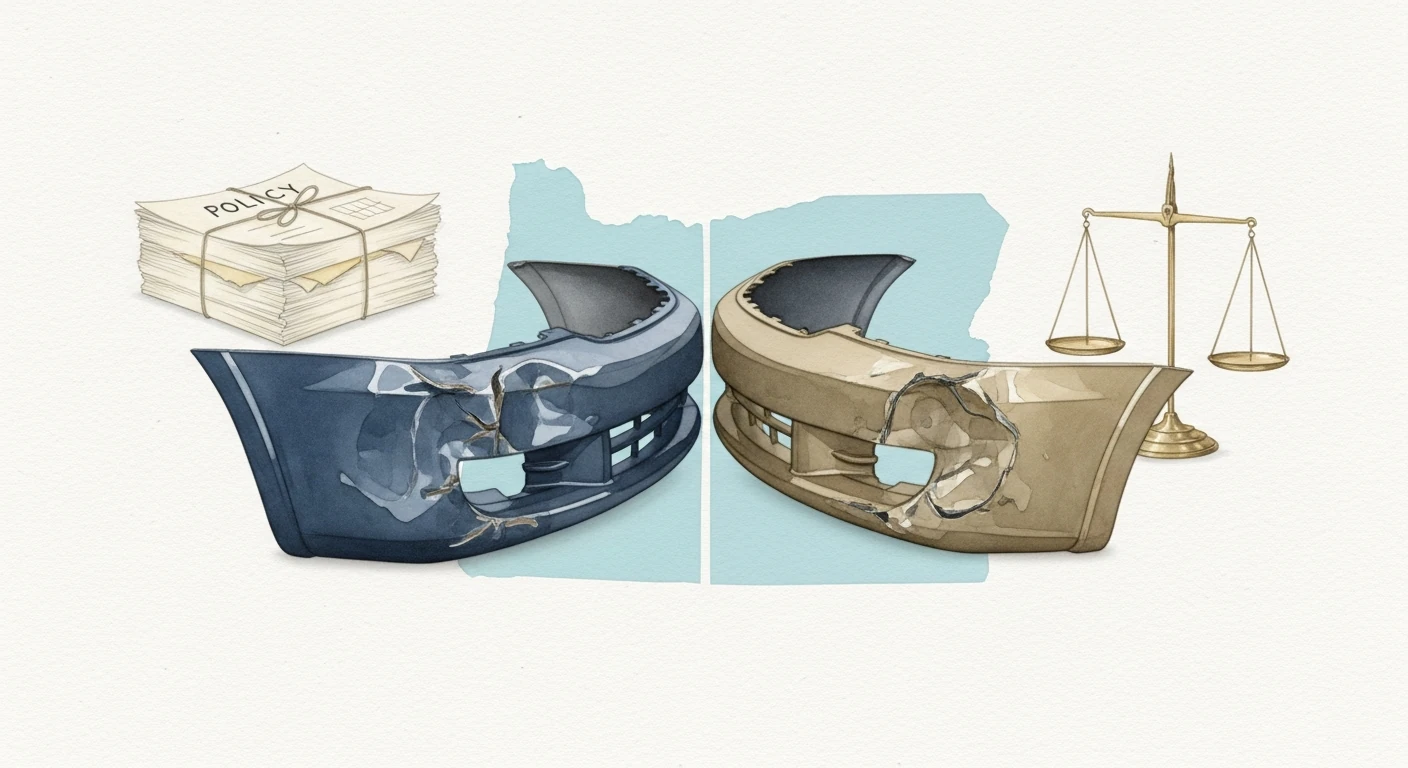
Oregon requires UM coverage in motor vehicle liability policies, and the core statutory UM model appears in ORS 742.502 and ORS 742.504.
That can matter even when the injured person was not occupying a car. The key question is often whether the injured rider qualifies as an insured under the policy and whether any exclusion takes the claim away.
2) Hit-and-Run and Phantom Vehicle Are Not the Same Thing
This distinction often becomes central to the claim.
Hit-and-run
Under ORS 742.504, a hit-and-run vehicle generally involves bodily injury caused through physical contact when the owner or operator cannot be identified.
The statute also includes fast notice rules, including a report within 72 hours and a sworn statement to the insurer within 30 days.
Phantom vehicle
A phantom-vehicle claim is the no-contact version. Oregon allows these claims too, but it requires corroborating evidence beyond the testimony of the insured or another person with a UM claim arising from the same accident.
That means if a driver forced the scooter rider to crash without actually touching them, the proof problem may be harder even if coverage is still possible.
The Oregon annotations to chapter 742 support narrow points here:
- the corroboration evidence must genuinely strengthen and confirm the claimant’s account,
- a witness may still qualify as corroboration in some circumstances,
- and casually mentioning arbitration is not the same as formally instituting it.
3) Scooter Classification Matters More Than Many Riders Expect
Under ORS 801.348, Oregon defines a motor assisted scooter as a vehicle with limited power and speed features. Under ORS 814.510, scooter operators on public ways generally have the same rights and duties as operators of other vehicles unless a rule naturally does not apply or the code says otherwise. ORS 814.512 also imposes age and speed limits for lawful scooter operation.
That matters because insurers may care deeply whether the scooter is treated as a vehicle for exclusion purposes.
4) Why Vega and Cantu Matter, but Only Narrowly
Vega v. Farmers Ins. Co. supports the narrow point that Oregon UM policies are measured against the statutory model and cannot provide less favorable coverage than Oregon law requires.
Cantu v. Progressive Classic Ins. Co. supports the narrow point that an insurer cannot always use a narrower policy definition of covered vehicle when Oregon’s UM statute uses a broader vehicle concept.
Those cases do not automatically answer every scooter dispute. They simply mean the statutory model matters when a policy tries to narrow coverage too aggressively.
5) Owned-Vehicle and Regular-Use Issues Are Real Caveats
Under ORS 742.504, the model UM terms include exclusions tied to injuries while occupying a vehicle owned by the insured or a resident relative but not insured under the policy, or a vehicle furnished for the insured’s regular use.
That does not mean the insurer automatically wins every scooter case. It means these are predictable disputes.
If you owned the scooter
The insurer may argue the scooter was an owned vehicle not described in the policy.
If you used the same scooter all the time
The insurer may argue it was furnished for your regular use.
If it was a rental or share scooter
That may change the analysis, but it does not eliminate policy review. Save the app receipt, trip log, and scooter ID.
6) What To Review Right Away After an Oregon E-Scooter Hit-and-Run
If you are trying to figure out whether UM may apply, start here.
Get the full policy
You want the declarations page, the UM/UIM endorsement, definitions, exclusions, and any notice or arbitration language.
Identify whether this is hit-and-run or phantom vehicle
Ask:
- Was there physical contact?
- If not, what corroboration exists?
- Was the crash reported quickly?
- Was the insurer notified fast enough?
Review the scooter facts that may affect exclusions
Write down:
- whether the scooter was owned, borrowed, rented, or app-based,
- how often you used it,
- the make and model,
- and any modifications.
7) Evidence Preservation Can Decide the Claim
UM hit-and-run and phantom-vehicle disputes are often decided by proof before anyone argues law.
Try to preserve:
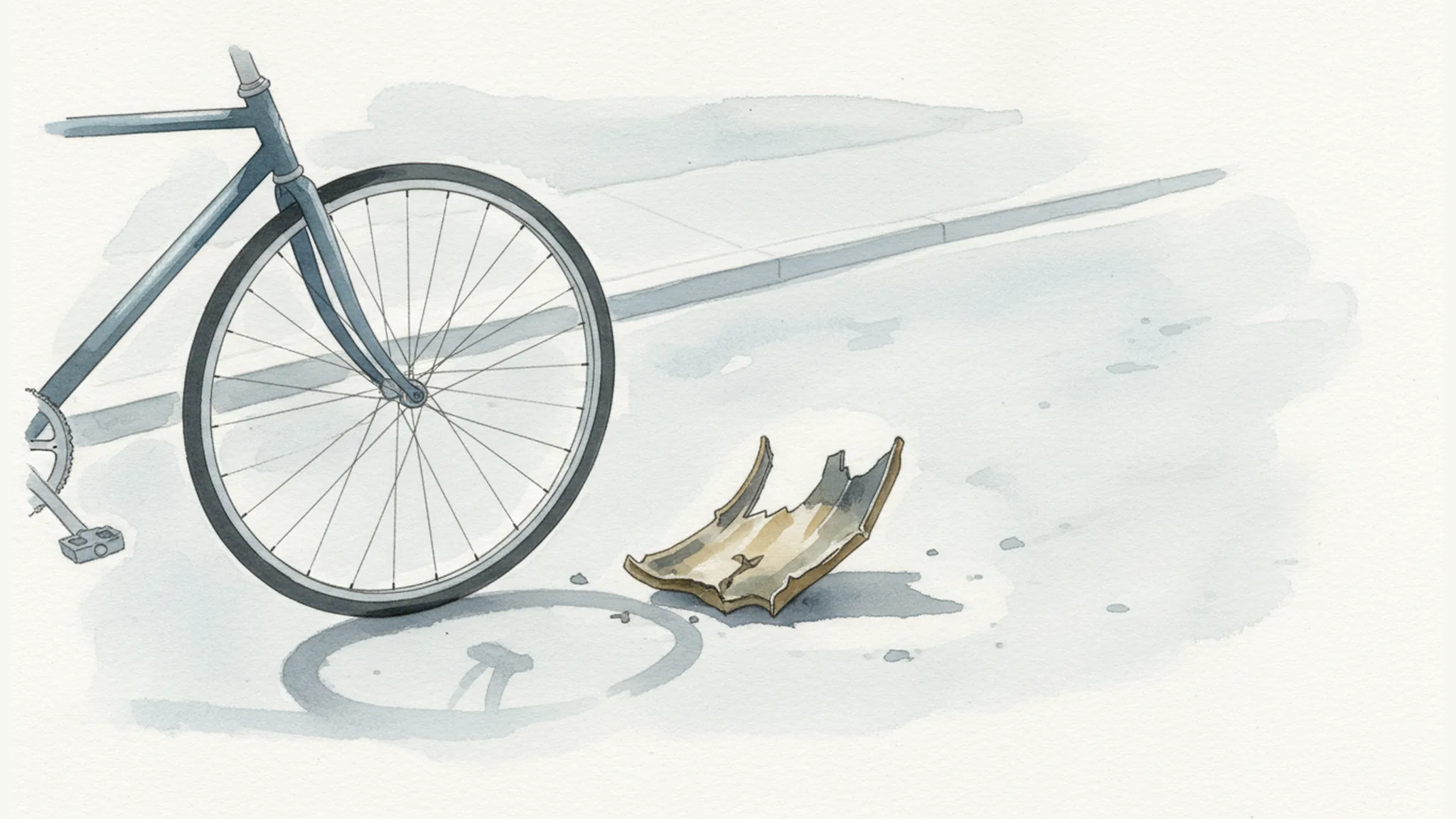
- wide and close-up scene photos,
- helmet and clothing damage,
- scooter damage,
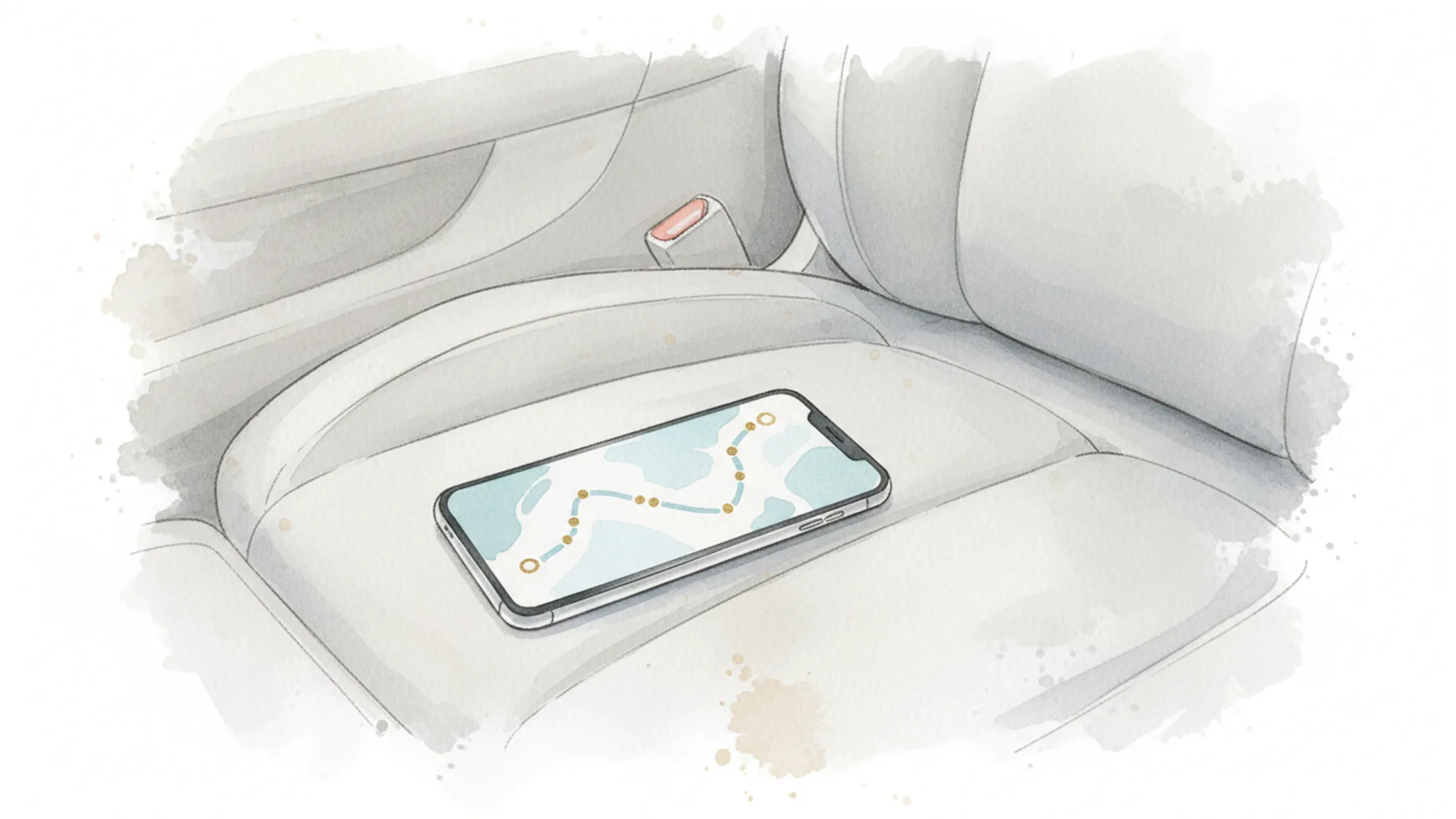
- app trip records,
- GPS screenshots,
- witness names,
- nearby video sources,
- and 911 or dispatch records when available.
If the crash involved an intersection or turning movement, these related posts may help with the broader fault analysis: Bike vs. Car at an Unprotected Intersection in Oregon and Right-Hook Bike Crash in Oregon.
8) Do Not Assume Timing Problems Can Be Fixed Later
Oregon’s statutory UM model includes short timing rules for hit-and-run and phantom-vehicle claims, along with a two-year framework for accrual steps in many UM disputes. Because these issues can matter quickly, early policy and deadline review is usually important.
Bottom Line
An Oregon e-scooter rider may in some situations have a viable UM claim even when the rider was not in a car. But the answer usually turns on insured status, hit-and-run versus phantom-vehicle facts, scooter classification, exclusion language, and early evidence preservation.
FAQ
Can UM apply if I was riding an e-scooter instead of driving a car?
Sometimes, yes. Oregon UM may apply even when you were not in a car, but the answer depends on insured status, policy wording, and the specific hit-and-run or phantom-vehicle facts.
What is the difference between hit-and-run and phantom vehicle?
Hit-and-run usually involves physical contact. Phantom-vehicle claims involve no contact and therefore require corroborating evidence.
If the driver forced me off the road without touching me, is UM impossible?
Not necessarily. That is often a phantom-vehicle issue. Coverage may still be possible, but corroboration becomes critical.
Why does scooter classification matter?
Because insurers may argue the scooter was a vehicle for exclusion purposes or may try to use a narrower policy definition than Oregon law allows. That is where the statutory model and cases like Vega and Cantu can matter.
Does owning the scooter automatically destroy UM coverage?
No. But ownership can trigger owned-vehicle arguments, and frequent use can trigger regular-use arguments. Those issues are policy-specific and should be reviewed carefully.
What should I do in the first 24 to 72 hours?
Report the crash, get medical care, notify the insurer, identify whether there was physical contact, preserve the scooter, save app data, gather witnesses, and move quickly to preserve video footage.
Sources
Client-First Fee Promise
Client First = Bills First, Fees Second
Your unpaid medical bills do not have to make your lawyer's fee bigger. Johnson Law subtracts qualifying medical bills before calculating our fee, helping clients keep more of their settlement.
Applies to qualifying cases. Results vary.