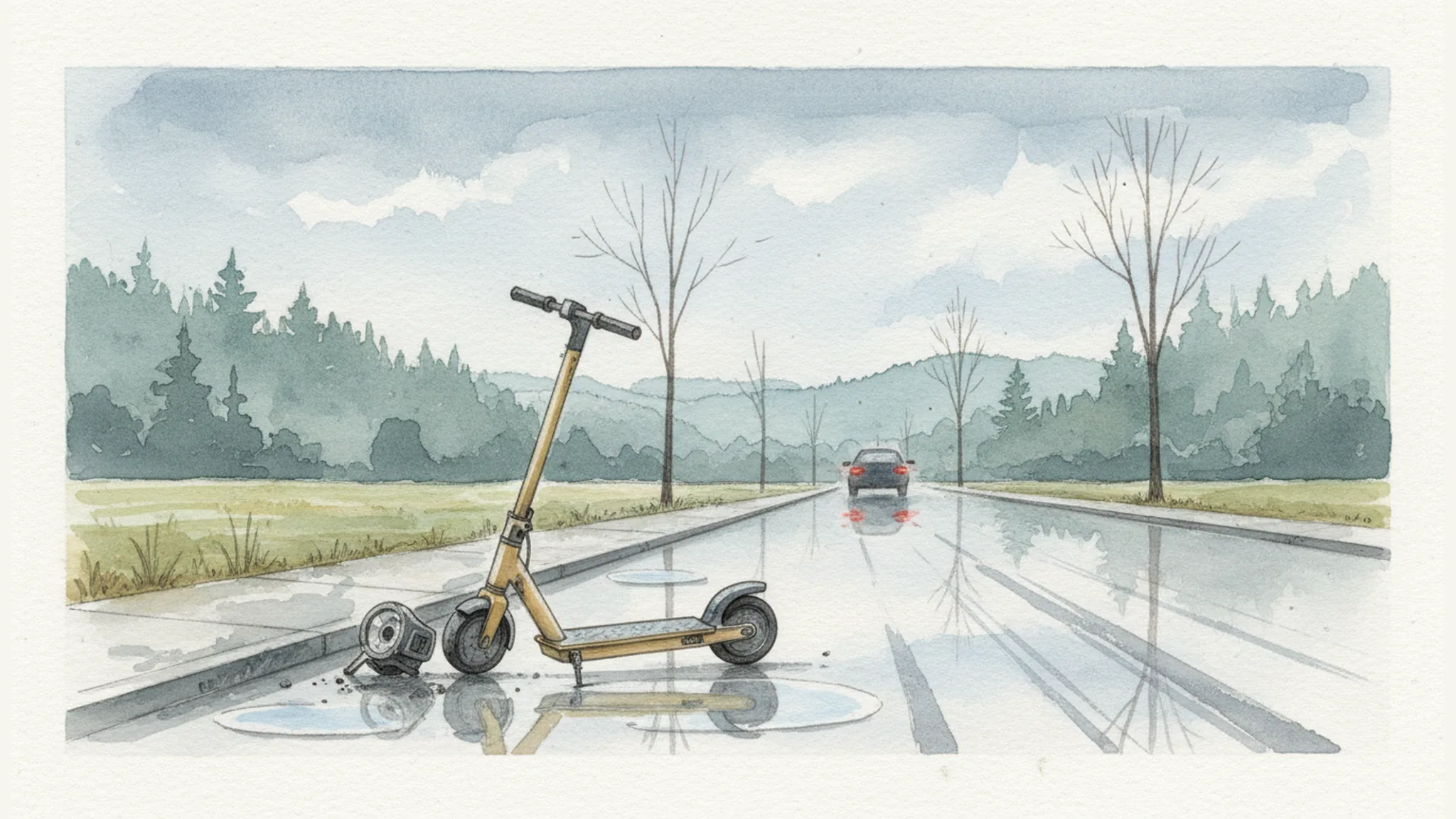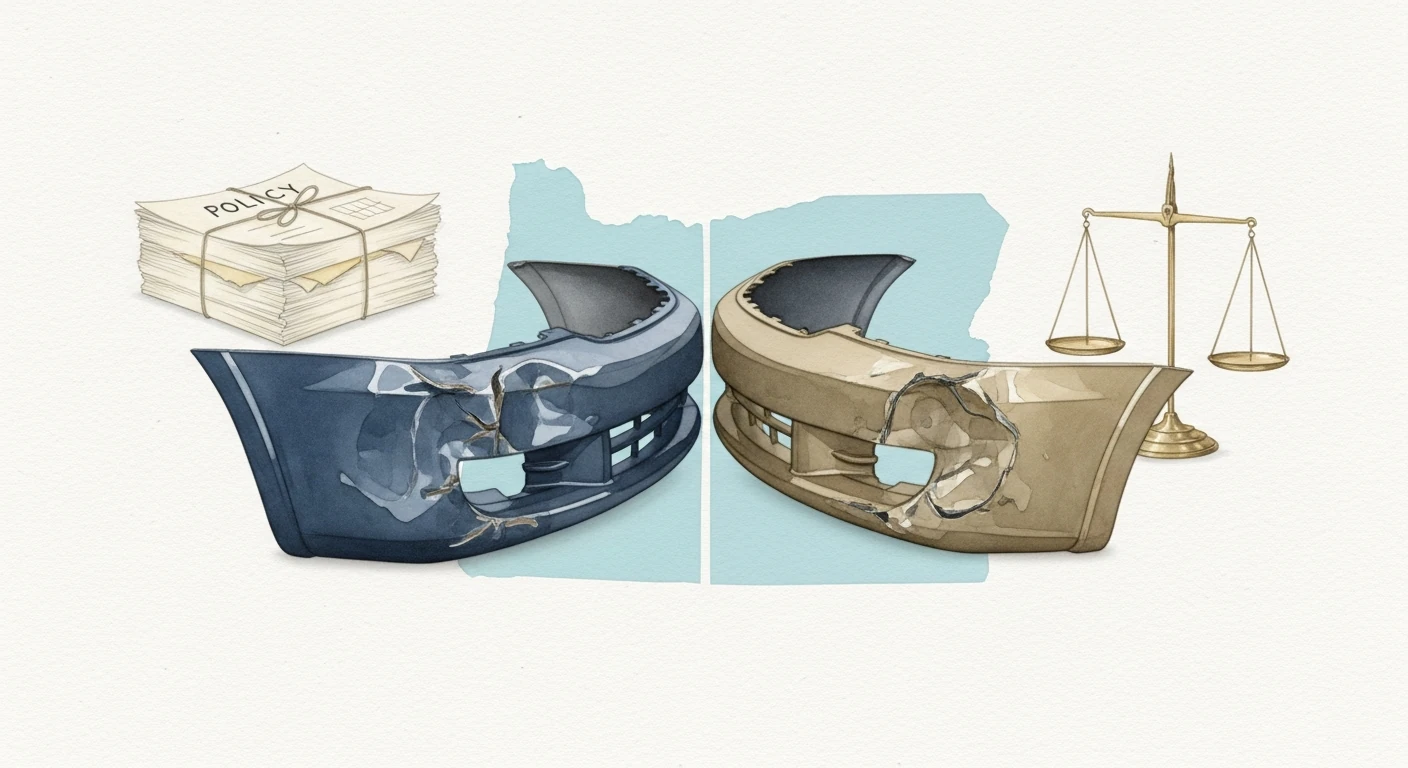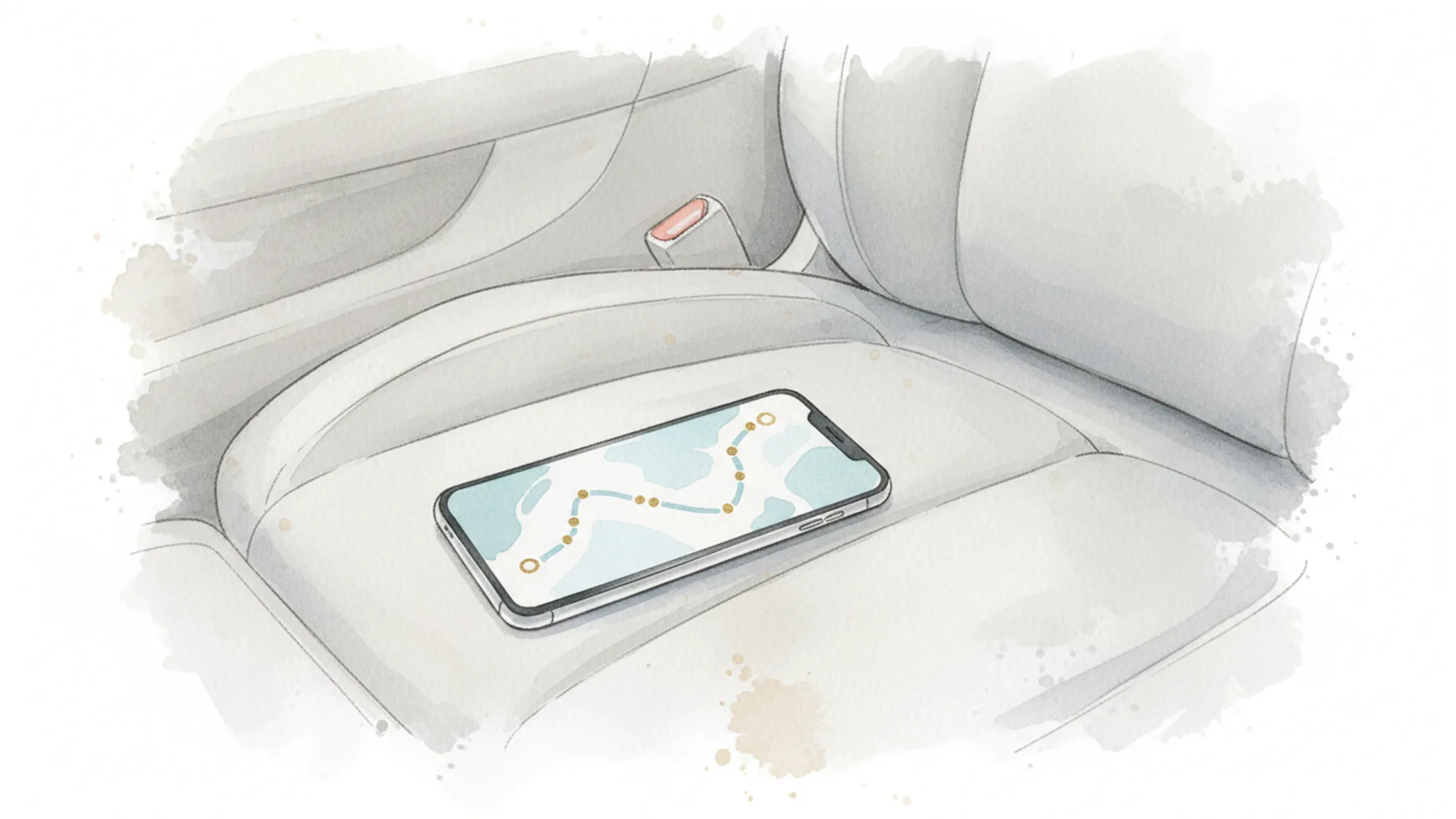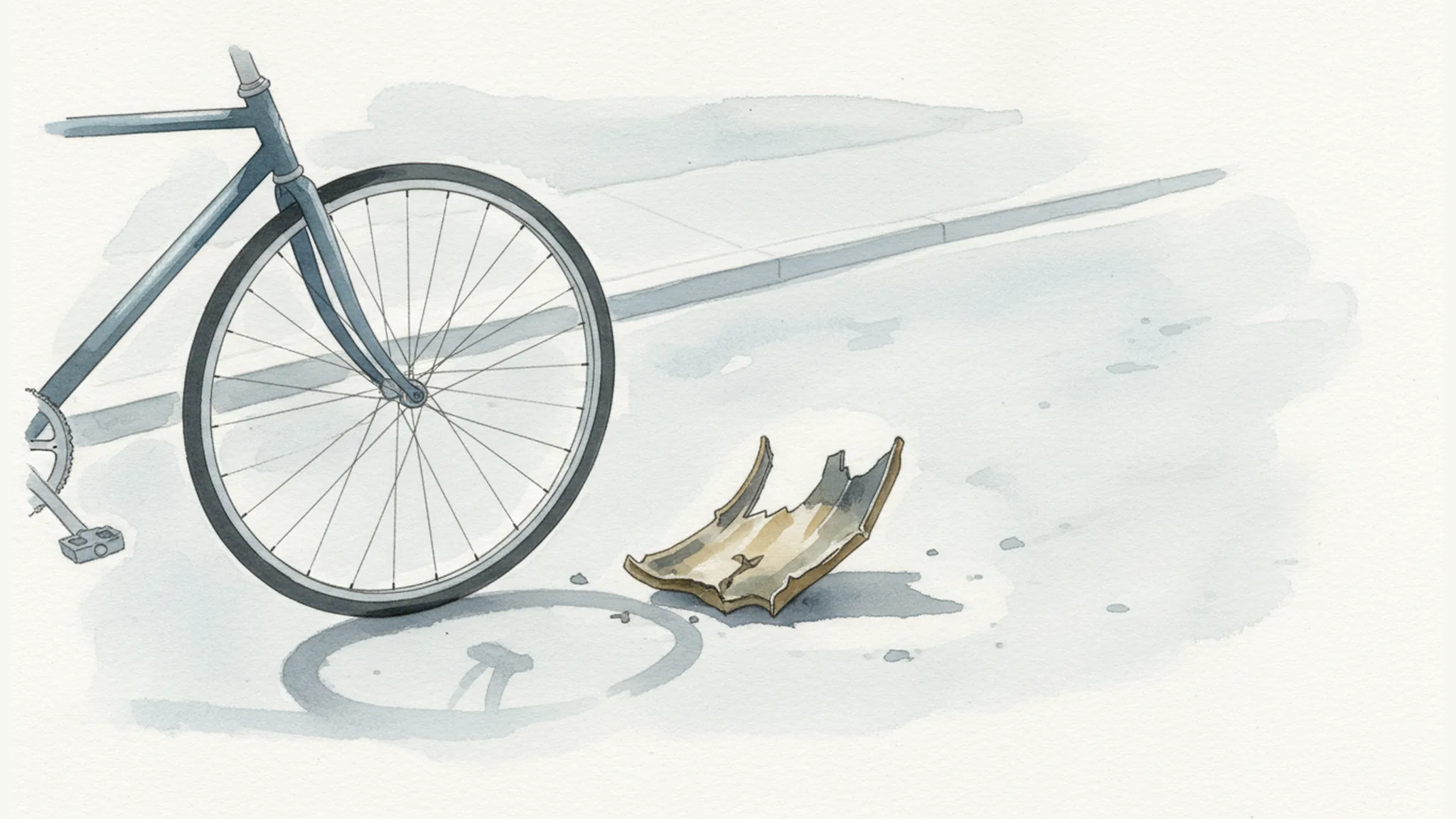
Cyclist Hit by an Uninsured Driver in Oregon: How UM/UIM Coverage May Apply
Cyclist Hit by an Uninsured Driver in Oregon: How UM/UIM Coverage May Apply
Educational information only, not legal advice. Oregon UM/UIM claims are policy-specific and fact-specific. This article explains general Oregon rules and common claim-preservation issues, not a guaranteed coverage result.
If a driver hits you while you are riding a bicycle in Oregon, one of the first questions is whether that driver has enough insurance to cover the harm they caused.
Sometimes the answer is no. The driver may have no insurance at all. The driver may have only minimum limits. Or the driver may flee and never be identified.
In those situations, an injured bicyclist may need to look to an auto policy for possible uninsured motorist or underinsured motorist coverage. That often surprises people, but Oregon’s UM/UIM framework can matter even when the injured person was riding a bike rather than sitting inside a car.
If you want the broader claim overview first, see our bicycle accidents page. For common Oregon bike crash patterns, see Right-Hook Bike Crash in Oregon, Cyclist Doored in Portland, and Bike vs. Car at an Unprotected Intersection in Oregon.
1) Why an Injured Cyclist May Need To Look To an Auto Policy
Under ORS 806.070, Oregon’s minimum bodily injury liability limits are generally $25,000 for one person and $50,000 for two or more people in one accident.
That can be far too little for a rider with surgery, broken bones, wage loss, or long-term symptoms.
Oregon requires UM coverage in motor vehicle liability policies, and that UM coverage includes UIM coverage, subject to Oregon’s statutory scheme. See ORS 742.502.
So if the at-fault driver had no collectible liability insurance, too little insurance compared with the rider’s damages, or disappears in a qualifying hit-and-run or phantom-vehicle scenario, an auto UM/UIM claim may become central.
2) The First Coverage Question Is Usually Insured Status
For bicyclists, the biggest issue is often not “Were you in a car?” but “Do you qualify as an insured under the policy and Oregon’s statutory UM framework?”
Named insureds and resident relatives
Under ORS 742.504, the insured category generally includes the named insured, the spouse living in the same household, resident relatives, and certain resident children reared as the insured’s own.
That category often matters most in bicycle cases. If you are the named insured on the policy or a qualifying resident family member, a UM/UIM claim may still be available even though you were riding a bicycle rather than occupying a car.
Other people occupying an insured vehicle
The statute separately includes certain other people while occupying an insured vehicle with permission.
That distinction matters because a bicyclist usually is not occupying an insured motor vehicle while riding a bicycle. ORS 742.504 also defines occupying as being in, upon, entering into, or alighting from the insured vehicle, and its UM definition of vehicle excludes devices moved by human power.
So a person who is not a named insured or qualifying resident-relative may have a much narrower path to UM/UIM coverage.
3) Known Uninsured, Underinsured, Hit-and-Run, and Phantom Vehicle Are Different Claims
These categories sound similar but should not be treated as interchangeable.
Known uninsured driver
Under ORS 742.504, an uninsured vehicle can include a vehicle with no collectible liability insurance, a denial of liability coverage, insurer insolvency, or a situation where valid collectible insurance cannot be discovered after reasonable efforts.
Underinsured driver
Under ORS 742.502, UIM coverage may apply when the amount recovered from applicable liability insurance is still less than the damages the insured is legally entitled to recover.
In serious bicycle crashes, that situation is common.
Hit-and-run vehicle
For hit-and-run claims, ORS 742.504 generally requires physical contact and also imposes fast reporting and sworn-statement requirements.
Phantom vehicle
For no-contact crashes, the phantom-vehicle rules apply instead. Oregon then requires corroborating evidence beyond the testimony of the claimant or another person with a UM claim arising from the same accident.
That can matter when a driver cuts off a bicyclist, the rider crashes to avoid impact, and the driver disappears.
4) What Usually Triggers or Preserves a UM/UIM Claim in Practice
Coverage fights are often less about slogans and more about procedure.
Give notice and proof of claim promptly
ORS 742.504 requires written proof of claim as soon as practicable. That means an injured bicyclist should not assume the UM/UIM issue can wait until the liability case is over.
Forward pleadings if you sue the driver
If you file suit against the at-fault driver before the UM/UIM insurer pays, the statute requires the pleadings to be forwarded immediately to the insurer.
Be careful before settling with the liability insurer
The statutory UM/UIM model contains consent-to-settle and subrogation rules. For UIM claims especially, a settlement handled the wrong way can create a second coverage fight with the UM/UIM insurer.
Oregon also sets a 30-day outside cap on what counts as a reasonable time for the insurer to respond to a written consent request unless the parties agree otherwise.
Watch the accrual and timing rules
Under ORS 742.504, no UM/UIM cause of action accrues unless certain listed events occur within two years of the accident. That is why UM/UIM should be treated as an active claim, not a late backup idea.
5) Bicycle-Specific Claim-Preservation Issues
Assuming no auto coverage applies because you were on a bike
That assumption is often wrong. For many bicyclists, the real issue is insured status under the policy and statute, not simple vehicle occupancy.
Treating phantom-vehicle claims like known-driver claims
If there was no contact, corroboration becomes critical. Witnesses, surveillance, ride data, scene photos, and 911 timing may matter sharply.
Settling too fast with the at-fault insurer
If there is any chance UIM will matter, a quick liability settlement can become a problem if the Oregon consent and credit framework is ignored.
Missing hit-and-run reporting and sworn-statement requirements
For hit-and-run and phantom claims, Oregon’s statutory notice rules can be a major trap. Fast documentation matters.
6) Batten and Cantu Support a Narrow but Important Point
The key lesson from Batten v. State Farm Mutual Automobile Ins. Co. and Cantu v. Progressive Classic Ins. Co. is not that every denial is wrong. It is that Oregon policies cannot provide UM/UIM terms less favorable than the statutory model.
That can matter when an insurer relies on narrow wording that does not track Oregon’s required coverage structure.
7) PIP Is Separate From UM/UIM
Personal injury protection should be analyzed separately.
Under ORS 742.520 and ORS 742.524, PIP may provide medical and wage-loss benefits in some Oregon auto-policy situations. But PIP and UM/UIM are not the same question.
Under ORS 742.542, PIP paid by the insurer for its own insured can reduce the UM/UIM damages recoverable from that insurer for the same accident, but it does not reduce the UM/UIM policy limits themselves.
8) Coverage and Attorney-Fee Issues Should Stay Separate
Whether coverage exists is one question. Whether attorney fees may later be recoverable in a policy dispute is another.
ORS 742.061 addresses attorney-fee issues in insurance litigation, including UM/UIM disputes. But attorney-fee exposure does not itself prove that coverage exists.
9) Practical Checklist After a Bicycle Crash With an Uninsured Driver
If you are physically able after the crash:
- Get medical care promptly.
- Identify the driver, vehicle, plate, and insurer if possible.
- Call law enforcement, especially if the driver fled.
- If it may be hit-and-run or phantom vehicle, make sure the crash is reported quickly.
- Notify the potentially applicable UM/UIM insurer quickly.
- Ask for the full policy, not just the declarations page.
- Preserve your bike, helmet, clothing, lights, and route data.
- Get witness names and contact information immediately.
- Be careful before settling with the liability carrier if UIM may matter.
- Track the statutory timing issues under ORS 742.504.
Bottom Line
An Oregon bicyclist hit by an uninsured or underinsured driver may in some situations have a valid UM/UIM claim under an auto policy. But coverage is not automatic.
The real questions usually are who qualifies as an insured, what kind of uninsured-driver scenario happened, and whether the statutory notice, consent, corroboration, and timing rules were handled correctly.
FAQ
Can I use auto insurance if I was on a bicycle, not in my car?
Sometimes, yes. The bigger issue is often whether you are a named insured or qualifying resident-relative under the policy and Oregon’s statutory UM/UIM framework.
What is the difference between uninsured and underinsured in Oregon?
Uninsured generally means no collectible qualifying liability coverage. Underinsured generally means the driver had liability insurance, but it still was not enough compared with the damages legally recoverable.
What if the driver fled and never hit me, but caused me to crash?
That may raise a phantom-vehicle issue rather than a classic hit-and-run issue. Phantom-vehicle claims usually require corroborating evidence beyond the injured rider’s own testimony.
Can I settle with the at-fault driver’s insurer first and deal with UIM later?
Be careful. Oregon’s statutory UM/UIM model includes consent, exhaustion, credit, and subrogation rules that can complicate a later UIM claim.
Does PIP reduce UM/UIM policy limits?
No. Under ORS 742.542, PIP may reduce the UM/UIM damages recoverable from the same insurer for the same accident, but not the UM/UIM limits themselves.
Do Batten and Cantu mean the insurer is wrong whenever it denies coverage?
No. They support the narrower point that Oregon does not allow policy terms less favorable than the statutory UM/UIM model. Actual coverage still depends on the policy, the facts, and the statutory issue involved.
Sources
Client-First Fee Promise
Client First = Bills First, Fees Second
Your unpaid medical bills do not have to make your lawyer's fee bigger. Johnson Law subtracts qualifying medical bills before calculating our fee, helping clients keep more of their settlement.
Applies to qualifying cases. Results vary.