Workers’ Comp vs. Third-Party Settlement: Why the Final Check Can Shrink
Workers’ Comp vs. Third-Party Settlement: Why the Final Check Can Shrink
Educational information only, not legal advice. This article is Oregon-focused and is not legal advice about any specific settlement, lien, election deadline, allocation, or workers’ compensation claim.
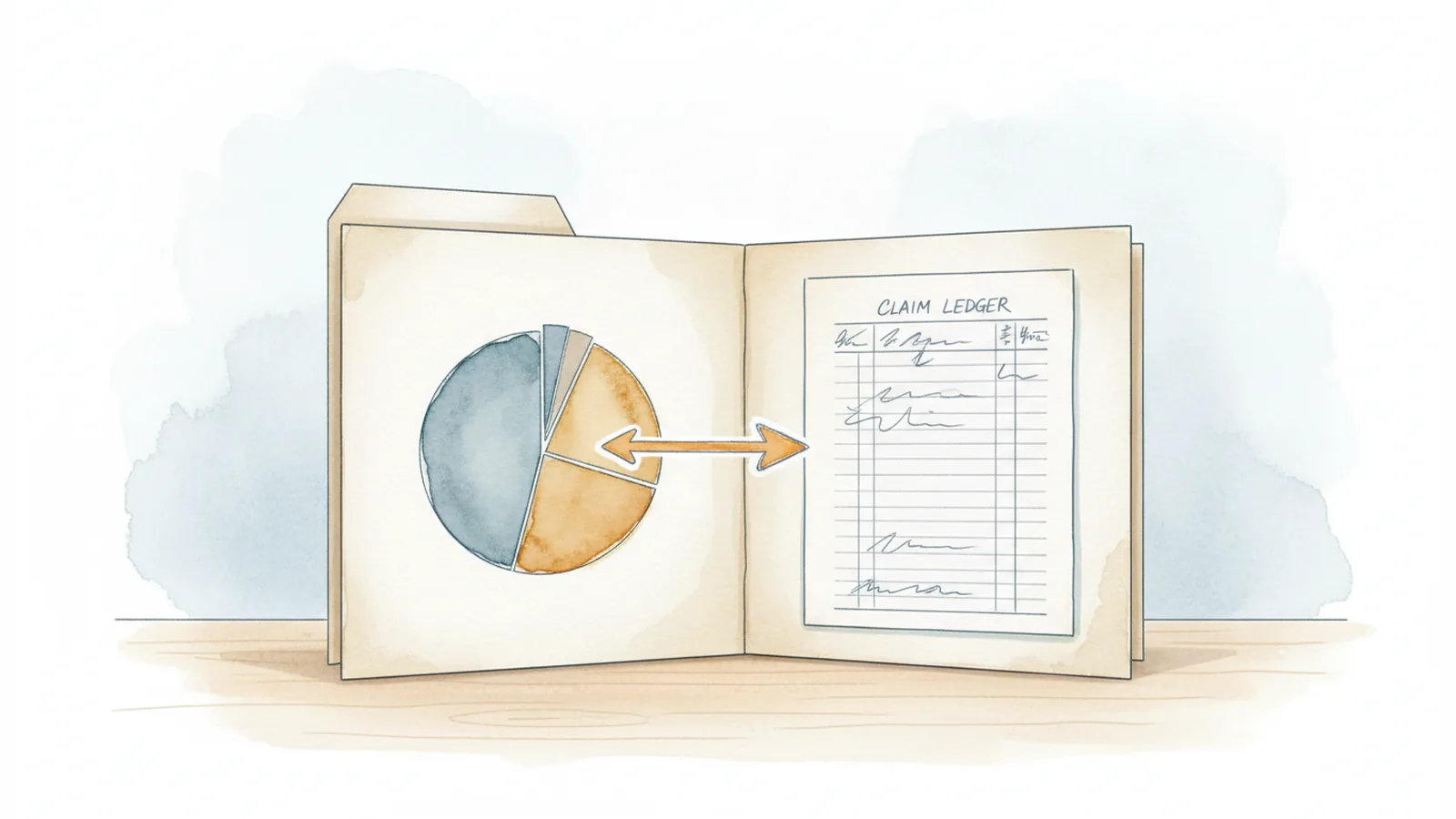
A third-party settlement after a workplace injury is not always the amount the injured worker keeps. In Oregon, the workers’ compensation insurer or self-insured employer may have a statutory lien or reimbursement interest in the third-party recovery. Attorney fees, litigation costs, statutory distribution rules, future claim-cost issues, and written approval requirements can all affect the final check.
That does not mean a third-party case is pointless. It means the settlement has to be evaluated as a net recovery, not just a headline number.
How Workers’ Comp and a Third-Party Claim Can Coexist in Oregon
Oregon workers’ compensation is the benefit system that may pay medical services, wage benefits, and other workers’ compensation benefits for a compensable job injury. A third-party claim is different. It is a claim against a negligent or wrongful third person who is not in the same employ and is not otherwise protected by Oregon’s workers’ compensation exclusive-remedy rules.
Oregon law allows an injured worker to pursue a remedy against a negligent or wrongful third person who is “not in the same employ.” That is why some workplace injuries involve more than workers’ comp. For background on when an Oregon workplace injury may involve more than workers’ comp, see Johnson Law’s overview of workplace injury exceptions in Oregon.
Common examples may include a crash caused by another driver while the worker is on the job, multi-contractor jobsite fault, warehouse forklift injuries, or scaffolding fall third-party claims. The point is not that every workplace injury creates a lawsuit. The point is that workers’ comp and a third-party claim can sometimes exist at the same time.
The third-party claim does not automatically erase workers’ comp
Oregon’s third-party statutes recognize that benefits and third-party claims can overlap. Under ORS 656.580, the worker or beneficiaries are paid workers’ compensation benefits in the same manner and to the same extent as if no third-party right of action existed, until damages are recovered from the employer or third party.
That rule is important because the existence of a possible third-party case does not, by itself, mean workers’ compensation benefits immediately stop. But it also does not mean the third-party settlement is free from reimbursement issues once money is recovered.
Key Terms: Paying Agency, Lien, Reimbursement, and Share
Oregon’s statutes use the term “paying agency.” For these third-party recovery rules, the paying agency is the self-insured employer or insurer paying benefits to the worker or beneficiaries.
In plain English, this may be the workers’ comp carrier or the self-insured employer handling the workers’ compensation claim.
When that paying agency has paid benefits, Oregon law can give it a lien against the third-party cause of action and a statutory share of the recovery. People may call this a “workers’ comp lien,” “reimbursement claim,” “carrier lien,” or “comp share.” Those phrases are not always used precisely, but they usually point to the same practical issue: part of the third-party settlement may have to be addressed before the worker knows the true net amount.
Why the ledger may include more than wage-loss checks
A worker may think of workers’ comp as wage replacement. But under ORS Chapter 656, “compensation” includes all benefits, including medical services, provided for a compensable injury to a subject worker or beneficiaries by an insurer or self-insured employer.
That means the paying agency’s ledger may include more than checks sent directly to the worker. It may include medical payments, wage benefits, and other claim costs under the workers’ compensation system. ORS 656.593 also refers to compensation, first aid or other medical, surgical, or hospital service, and the present value of reasonably expected future expenditures for compensation and other claim costs.
This is one reason a reimbursement statement can be surprising. The injured worker may remember the wage checks, but the claim ledger may also reflect medical payments and other benefits paid in the background.
Do not assume the lien equals every dollar paid
At the same time, it is too simple to say the workers’ comp lien always equals every dollar the paying agency paid. Oregon uses a statutory distribution framework. The recovery is not usually understood by looking only at the gross settlement number or only at a raw claim-cost ledger.
The better question is: after attorney fees, litigation costs, the worker’s statutory share, the paying agency’s permitted reimbursement interest, and any disputed distribution issues are handled, what is the actual net recovery?
For broader context on why a settlement headline number can differ from the final check, see Johnson Law’s settlement breakdown from gross number to final check.
Why Gross Settlement and Net Recovery Can Be So Different
Oregon’s third-party recovery rules are technical. This article is not a calculator, and exact distribution depends on the documents and facts. But at a high level, ORS 656.593 describes a sequence that helps explain why the final check can be smaller than the settlement number.
First layer: attorney fees and litigation costs
Under ORS 656.593, litigation costs and attorney fees incurred are paid first from the recovery. The statute also states that attorney fees may not exceed the Workers’ Compensation Board advisory schedule for such actions.
This matters because a worker’s gross settlement is not the same as the amount available for distribution. The cost of obtaining the recovery is part of the analysis before the remaining balance is divided.
Second layer: the worker’s statutory share of the balance
After costs and attorney fees, ORS 656.593 provides that the worker or beneficiaries must receive at least 33-1/3 percent of the balance of the recovery.
This is a key point. The worker is not simply last in line after the paying agency. But the statutory share is only one part of the distribution. It does not tell the whole story about the final net, especially if there are other liens, disputed allocations, future claim-cost issues, or additional settlement deductions.
Third layer: paying-agency reimbursement and possible future claim costs
After the worker’s statutory share, the paying agency may be paid and retain the balance of the recovery only to the extent it is compensated for qualifying expenditures. ORS 656.593 refers to expenditures for compensation, first aid or other medical, surgical, or hospital service, and the present value of reasonably expected future expenditures for compensation and other claim costs under ORS Chapter 656.
In practical terms, the paying agency’s position may involve both past payments and case-specific future claim-cost issues. The phrase “future credit” is often used informally, but the statutory language is more precise: present value of reasonably expected future expenditures. How that applies depends on the claim, the settlement, and the paying agency’s position.
Final layer: any remaining balance
If money remains after the paying agency’s statutory share, ORS 656.593 provides that the balance is paid to the worker or beneficiaries. The Workers’ Compensation Board resolves conflicts about the amount of the balance the paying agency may retain.
That is why reimbursement disputes are not just arithmetic. They may involve the statute, the claim-cost ledger, the settlement structure, written approval, and the paying agency’s position.
Settlement Approval, Notice, and Election Problems That Can Derail a Deal
The paying agency cannot be ignored in an Oregon third-party workplace injury settlement.
ORS 656.593 says that if the worker or beneficiaries elect to recover damages, they must give notice of that election to the paying agency by personal service or registered or certified mail. The statute also includes court-action notice requirements when a case is filed.
Separately, ORS 656.583 allows the paying agency to require the worker or beneficiaries to exercise the election by written demand. If the election is not made within the statutory period after that demand, and if action is not instituted within the time allowed after election, the cause of action is deemed assigned to the paying agency if the statutory conditions are met. ORS 656.591 addresses assignment consequences when the worker elects not to proceed.
Those rules are document-sensitive. A demand letter, election notice, lawsuit filing, settlement proposal, or workers’ compensation correspondence should not be treated as routine paperwork.
A third-party compromise requires written approval or Board order
One of the strongest Oregon warnings is in ORS 656.587. A compromise by the worker, beneficiaries, or legal representative of a deceased worker of a third-party or employer right of action is void unless made with written approval of the paying agency or, if disputed, by order of the Workers’ Compensation Board.
ORS 656.593 also addresses settlement with paying-agency approval and allows the paying agency to accept a share of proceeds that is “just and proper,” while the worker or beneficiaries must receive the amount they would be entitled to under the statutory recovery distribution. If there is a conflict about what is “just and proper,” the Workers’ Compensation Board resolves the conflict.
The practical takeaway: settlement approval and distribution are legal issues, not just a final line item on a disbursement sheet.
Future Credit, Offset, and the “I Settled Before Comp Was Accepted” Problem
Workers sometimes assume that if the third-party settlement happens before a workers’ comp claim is accepted, reimbursement problems disappear. Oregon law is more complicated.
ORS 656.596 addresses situations where no workers’ compensation claim has been filed or accepted when the worker or beneficiaries recover third-party damages. In that scenario, the damages can constitute an offset against compensation due for the same injuries to the extent a lien would have been authorized if a comp claim had been filed and accepted at the time of recovery. The statute also states that no compensation payments are made to the worker, the worker’s beneficiaries, or the worker’s attorney until the offset has been fully recovered.
The worker or beneficiaries must also notify the paying agency or potential paying agency of the amount of damages recovered from a third person or noncomplying employer at the time of recovery or when filing a workers’ compensation claim subject to the third-party recovery statutes.
The high-level lesson is simple: settling a third-party case before a comp claim is filed or accepted does not necessarily avoid offset or reimbursement issues. The timing needs careful review.
If the workers’ compensation claim itself has been denied, that is a separate issue from whether a third-party claim exists or whether a recovery may affect later benefits. For more on denial issues, see Johnson Law’s discussion of common Oregon workers’ comp denial reasons and deadlines.
Workers’ Comp Reimbursement Is Not the Same as Health Insurance Subrogation, PIP, or a Medical Lien
“Lien” is a word people use loosely after an injury settlement. But different repayment rights come from different laws, contracts, and procedures.
Oregon workers’ comp reimbursement in a third-party workplace injury case is governed by ORS Chapter 656. It is not the same as:
- a private health insurance subrogation claim;
- Medicaid or other public-benefit recovery;
- an Oregon provider or hospital lien;
- PIP reimbursement after a motor vehicle crash; or
- MedPay or other auto-policy payment issues.
For example, Oregon PIP benefits and reimbursement rights are addressed in separate motor-vehicle insurance statutes. PIP may involve medical expenses, income-loss benefits, essential-services benefits, funeral expenses, and child-care benefits, subject to statutory limits. But PIP reimbursement is not the same statutory framework as a workers’ compensation paying-agency share under ORS Chapter 656. For a coverage comparison, see Johnson Law’s guide to MedPay, PIP, and health insurance after an Oregon crash.
Health insurance and Medicaid recovery also follow different rules. Medicaid-related third-party payment rights are addressed separately under Oregon law, and private health-plan reimbursement may involve plan terms and, in some cases, federal law. Johnson Law has a separate explainer on health-insurance subrogation and reimbursement. Provider liens are different too; see the overview of Oregon provider-lien rules.
The practical point is that a settlement may involve several repayment claims at once, but they should not all be analyzed as if they are the same kind of lien.
Practical Documents to Request Before Evaluating Net Recovery
Before treating a third-party settlement number as money that will be kept, it helps to gather and review the documents that show what has been paid, what is claimed, what approval is required, and what the proposed distribution looks like.
Useful documents and questions may include:
- Workers’ compensation claim-cost ledger or payment history. What has the paying agency actually paid, and for what categories of benefits or services?
- Current lien or reimbursement statement. What amount is the insurer or self-insured employer currently asserting, and is it based only on past payments or also future claim-cost issues?
- Medical-payment history. Which medical services were paid through workers’ comp, and are any providers or health plans asserting separate claims?
- Wage-benefit history. What temporary disability, permanent disability, or other wage-related benefits have been paid or claimed?
- Notice of Election, demand letters, and third-party correspondence. Has the paying agency demanded an election? Has the worker given notice? Are there timing or assignment issues to review?
- Settlement statement or proposed disbursement/allocation. How does the gross settlement become the proposed net payment, and what amounts are being allocated to fees, costs, workers’ comp reimbursement, other liens, or the worker?
- Attorney-fee and litigation-cost records. What fees and costs are being deducted before the remaining balance is distributed?
- Written paying-agency approval, settlement approval correspondence, or Workers’ Compensation Board order. Has the compromise been approved in the way Oregon law requires?
- Future benefit questions. Is the paying agency asserting the present value of reasonably expected future expenditures, a future credit, or an offset? Could the settlement affect later workers’ compensation payments?
- Other lien or reimbursement claims. Are there PIP, health insurance, Medicaid, provider-lien, or other repayment issues that are separate from the workers’ comp paying-agency share?
Not every document exists in every case. But without the core ledger, reimbursement position, settlement statement, and approval records, it is hard to evaluate the real net recovery.
When to Slow Down Before Signing a Third-Party Settlement
A third-party workplace injury settlement can be valuable, but the gross number can be misleading if the workers’ comp reimbursement issues are not understood. It is especially worth slowing down when:
- the workers’ comp carrier or self-insured employer has sent a lien or reimbursement statement;
- the settlement paperwork does not clearly address paying-agency approval;
- the proposed disbursement does not show attorney fees, costs, the worker’s statutory share, and the paying agency’s claimed share;
- the paying agency mentions future expenditures, future credit, or offset;
- the workers’ comp claim was denied, not yet accepted, or filed after third-party recovery; or
- there are separate health insurance, Medicaid, PIP, or provider-lien issues.
An Oregon lawyer reviewing a third-party workplace injury settlement will often want to see the comp claim ledger, benefit payment history, reimbursement statement, election and notice correspondence, proposed settlement allocation, fee and cost records, and any written approval or Board order. That review helps distinguish the settlement number from the amount the injured worker may actually receive after required distributions and repayment issues are addressed.
FAQ
Can I receive Oregon workers’ compensation and still bring a third-party claim?
In appropriate cases, yes. Oregon law allows a remedy against a negligent or wrongful third person who is not in the same employ. Workers’ compensation benefits can continue as if no third-party right existed until damages are recovered. Whether a specific case qualifies depends on the facts and the relationship between the injured worker, employer, and third party.
What is a workers’ comp lien on a third-party settlement in Oregon?
It is the paying agency’s statutory interest in the third-party recovery. The paying agency is the insurer or self-insured employer paying workers’ compensation benefits. Oregon law gives the paying agency a lien and a statutory share under ORS Chapter 656, but the amount depends on the statutory distribution framework and the case documents.
Does the workers’ comp carrier get paid before I do?
Not in the simple sense of “the carrier takes everything first.” At a high level, ORS 656.593 addresses attorney fees and litigation costs first, then a statutory worker share of the balance, then paying-agency reimbursement to the permitted extent, and then any remaining balance. Exact distribution is case-specific.
Can I settle my third-party case without the workers’ comp insurer’s approval?
ORS 656.587 says a compromise of a third-party or employer right of action by the worker, beneficiaries, or legal representative is void unless made with written approval of the paying agency or, if disputed, by Workers’ Compensation Board order. That approval issue should be addressed before treating a settlement as final.
Is workers’ comp reimbursement the same as health insurance subrogation or PIP reimbursement?
No. They may all affect settlement proceeds, but they arise from different legal frameworks. Oregon workers’ comp third-party reimbursement is governed by ORS Chapter 656. PIP reimbursement is governed by separate motor-vehicle insurance statutes. Health insurance, Medicaid, and provider liens may involve different statutes, contracts, or federal-law issues.
What documents should I review before agreeing to a third-party settlement?
Start with the workers’ comp claim-cost ledger, current lien or reimbursement statement, medical and wage-benefit payment histories, election or notice correspondence, proposed settlement statement, attorney-fee and cost records, and any written paying-agency approval or Workers’ Compensation Board order. Also ask whether the paying agency is asserting future expenditures, a future credit, or an offset.
Source Notes
- ORS Chapter 656 — Workers’ Compensation, including ORS 656.154, ORS 656.576, ORS 656.578, ORS 656.580, ORS 656.587, ORS 656.593, ORS 656.595, and ORS 656.596.
- ORS Chapter 742 — Insurance, including ORS 742.524 and ORS 742.536, used here only as a PIP contrast.
- ORS Chapter 743B — Health Benefit Plans: Individual and Group, including ORS 743B.470, used here only as a Medicaid-related third-party payment contrast.
Client-First Fee Promise
Client First = Bills First, Fees Second
Your unpaid medical bills do not have to make your lawyer's fee bigger. Johnson Law subtracts qualifying medical bills before calculating our fee, helping clients keep more of their settlement.
Applies to qualifying cases. Results vary.